

Pregnancy discrimination is one of the most damaging forms of bias that still happens in American workplaces even though it is illegal in every state. Women make up nearly half of the retail workforce yet many still get denied promotions or even lose jobs just because they are expecting a baby. This goes far beyond single actions or policy mistakes and shows how many workplaces still quietly overlook the rights of pregnant workers.
Table of Contents
- What Is Pregnancy Discrimination And How Does It Manifest?
- Why Pregnancy Discrimination Matters In The Retail Sector
- Understanding Legal Protections Against Pregnancy Discrimination
- Key Concepts In Pregnancy Discrimination Cases
- Real-World Examples And Implications For Employees
Quick Summary
| Takeaway | Explanation |
|---|---|
| Pregnancy discrimination is illegal. | Employers cannot treat women unfairly due to pregnancy, childbirth, or related conditions under federal and state laws. |
| Document everything meticulously. | To prove discrimination, keep detailed records of events, communications, and any differential treatment related to pregnancy. |
| Know your accommodation rights. | Employees are entitled to reasonable workplace modifications for pregnancy-related medical needs, just like other temporary disabilities. |
| Systemic barriers exist in retail. | Retail environments may impose standardized policies that inadvertently disadvantage pregnant workers, creating systemic hurdles to equality. |
| Seek legal guidance if discriminated against. | Understanding your legal protections and seeking assistance can help address pregnancy discrimination effectively and safeguard your rights. |
What is Pregnancy Discrimination and How Does it Manifest?
Pregnancy discrimination represents a serious violation of workers’ rights that occurs when an employer treats a woman unfairly because of her pregnancy, childbirth, or related medical conditions. This form of workplace discrimination undermines fundamental protections guaranteed by federal and state employment laws.
Legal Definition and Scope
According to the Equal Employment Opportunity Commission, pregnancy discrimination involves treating a woman unfavorably due to pregnancy, childbirth, or pregnancy-related medical conditions. The law protects women from adverse employment actions that stem directly from their pregnancy status. These protections apply across various workplace scenarios, including hiring, firing, promotions, job assignments, training opportunities, and benefits administration.
Key manifestations of pregnancy discrimination can include:
- Refusing to hire a qualified candidate because she is pregnant
- Demoting or reducing work hours after an employee announces her pregnancy
- Denying reasonable workplace accommodations for pregnancy-related medical needs
- Terminating employment during or immediately after maternity leave
Workplace Impact and Employer Responsibilities
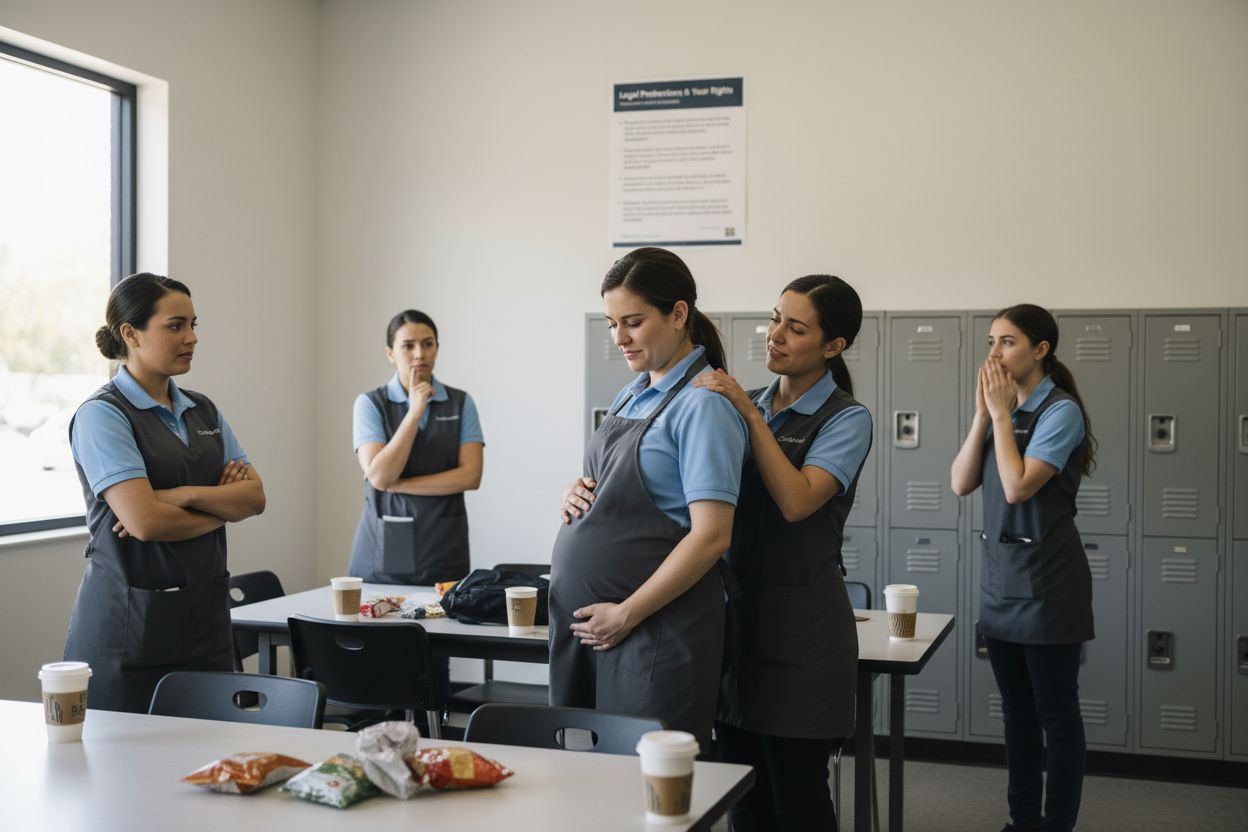
In large retail environments, pregnancy discrimination can take subtle and overt forms. Employers are legally obligated to treat pregnant employees the same as other employees with similar work capabilities. This means providing equal opportunities, maintaining consistent job responsibilities, and ensuring fair treatment throughout the employee’s pregnancy and return to work.
For employees seeking to understand their rights in pregnancy discrimination cases, recognizing the nuanced ways discrimination can manifest is crucial. While some instances are blatant, others require careful documentation and legal analysis to prove discriminatory intent.
Understanding these complex workplace dynamics helps employees protect their rights and hold employers accountable for creating inclusive, supportive work environments that respect women’s reproductive choices and professional contributions.
Why Pregnancy Discrimination Matters in the Retail Sector
The retail sector represents a uniquely challenging environment for pregnant workers, where physical demands, fluctuating schedules, and often limited workplace protections create significant vulnerability for women experiencing pregnancy.
Economic and Professional Challenges
Retail employment typically involves demanding physical work environments that can become particularly complex during pregnancy. According to research from the National Women’s Law Center, women constitute nearly half of the retail workforce, making pregnancy discrimination a critical issue affecting thousands of workers nationwide. Pregnant retail employees frequently face unique obstacles such as:
- Limited opportunities for modified job duties
- Unpredictable scheduling that complicates medical appointments
- Physical strain from standing, lifting, and constant movement
- Higher likelihood of hourly wage positions with minimal benefits
Systemic Barriers to Workplace Equality
Large retail employers often implement standardized policies that can inadvertently disadvantage pregnant workers. These systemic barriers frequently manifest through inflexible attendance policies, stringent performance expectations, and limited accommodation protocols. Such practices disproportionately impact women’s career progression and economic stability.
For comprehensive guidance on workplace discrimination protections, employees must understand their rights and the legal frameworks designed to safeguard their professional opportunities. The intersection of federal and state regulations provides critical protective mechanisms against discriminatory practices in retail environments.
Ultimately, addressing pregnancy discrimination requires a multifaceted approach that recognizes the complex professional challenges pregnant workers encounter and promotes inclusive workplace cultures that value women’s contributions throughout all stages of their careers.
Understanding Legal Protections Against Pregnancy Discrimination
Pregnancy discrimination legal protections represent a crucial framework designed to safeguard women’s employment rights during one of the most significant personal transitions in their professional lives. These protections ensure that pregnancy does not become a barrier to workplace advancement or economic stability.
Federal and State Legal Foundations
According to the Equal Employment Opportunity Commission, the Pregnancy Discrimination Act of 1978 fundamentally transformed workplace rights by explicitly prohibiting discrimination based on pregnancy, childbirth, or related medical conditions. This landmark legislation amended Title VII of the Civil Rights Act, establishing comprehensive legal protections that mandate employers treat pregnant employees equivalent to other workers with similar work capabilities.
Key legal protections include:
Here is a table summarizing the key legal protections for pregnant workers, helping clarify the scope of rights and obligations discussed in the article.
| Legal Protection | Description |
|---|---|
| Prohibition of Termination or Refusal | Employers cannot fire or refuse to hire based on pregnancy status. |
| Reasonable Workplace Accommodations | Pregnant employees are entitled to necessary job modifications without undue hardship. |
| Benefit Eligibility Protection | Health insurance and benefits cannot be restricted due to pregnancy. |
| Guaranteed Job Restoration | Employees have the right to return to their job after maternity leave. |
| Equal Treatment Under the Law | Pregnant workers must receive the same rights as other employees with similar work limitations. |
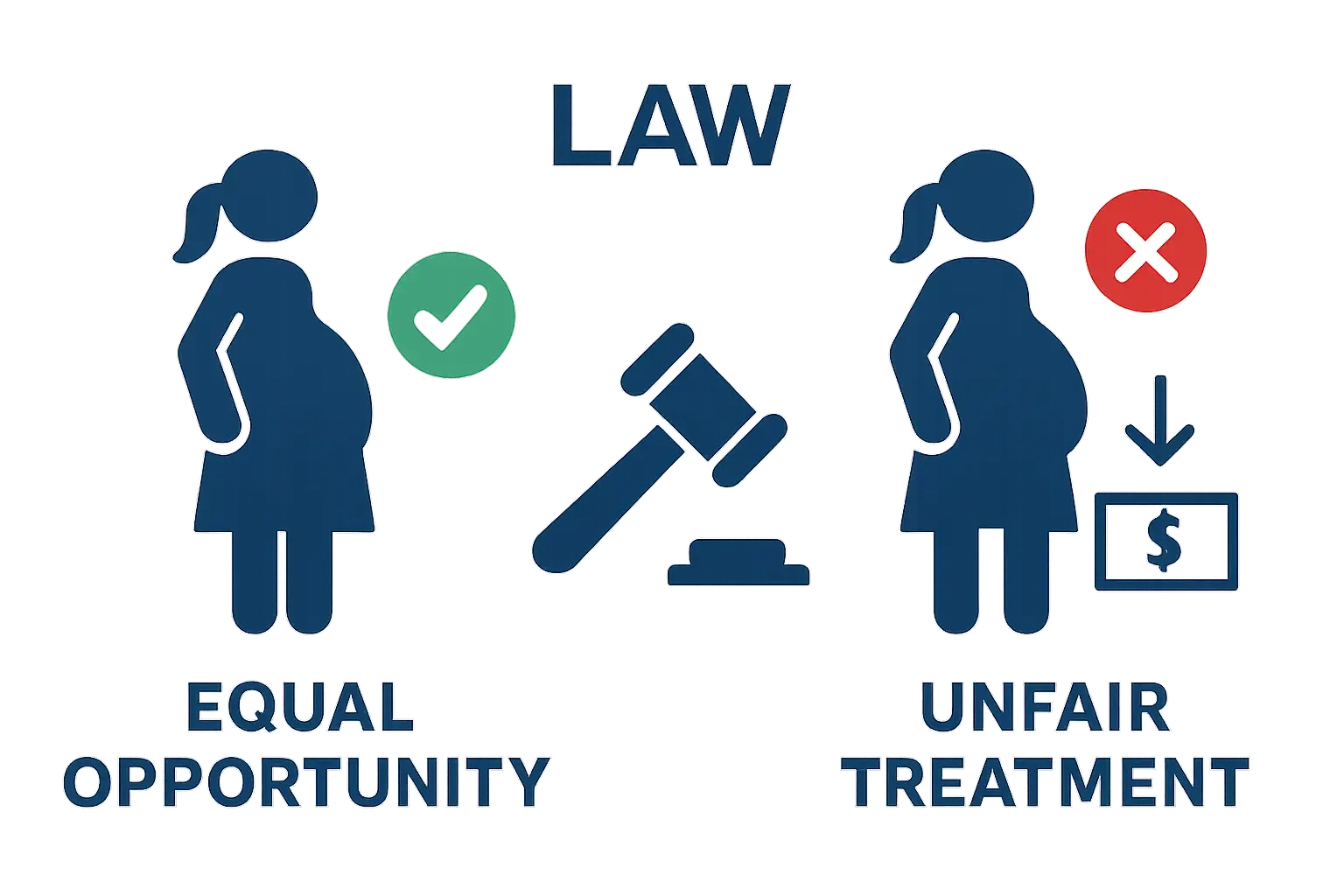
- Prohibition of termination or refusal to hire based on pregnancy status
- Requirements for providing reasonable workplace accommodations
- Protection of health insurance and benefit eligibility
- Guaranteeing job restoration after maternity leave
Scope of Workplace Accommodations
Legal frameworks require employers to provide substantive accommodations for pregnant workers. This means creating temporary modifications that enable women to continue performing essential job functions without undue hardship. Employers must treat pregnancy related medical limitations identically to other temporary disability scenarios, which often involves offering alternative duties, modified schedules, or temporary reassignments.
For detailed insights into pregnancy discrimination legal nuances, employees should understand that these protections extend beyond simple non discrimination principles. They represent a comprehensive approach to maintaining workplace equity and supporting women’s professional continuity during significant personal transitions.
Understanding these legal protections empowers workers to recognize potential violations and take appropriate action to defend their professional rights and opportunities.
Key Concepts in Pregnancy Discrimination Cases
Pregnancy discrimination cases involve complex legal principles that require understanding nuanced workplace interactions, employee rights, and employer obligations. These legal proceedings examine the intricate ways pregnancy can impact professional opportunities and workplace treatment.
Establishing Discriminatory Intent
Research from the Equal Employment Opportunity Commission indicates that proving pregnancy discrimination requires demonstrating that an employer’s actions were directly motivated by an employee’s pregnancy status. This involves establishing a clear connection between adverse employment actions and pregnancy, which can be challenging and often relies on detailed documentation and comparative evidence.
Critical elements for establishing discriminatory intent include:
- Documenting specific instances of differential treatment
- Collecting evidence of performance evaluations before and after pregnancy announcement
- Identifying comparable employees who were treated more favorably
- Tracking communications that suggest pregnancy influenced employment decisions
Burden of Proof and Evidence Collection
Successful pregnancy discrimination cases necessitate comprehensive evidence gathering. Employees must systematically document workplace interactions, performance metrics, and any communication suggesting discriminatory practices. This process involves creating a detailed timeline of events, preserving relevant communications, and identifying potential witnesses who can corroborate claims of unfair treatment.
For comprehensive understanding of pregnancy discrimination legal strategies, employees should recognize that each piece of evidence contributes to building a cohesive narrative demonstrating workplace bias.
Navigating pregnancy discrimination cases requires a strategic approach that balances legal knowledge, meticulous documentation, and a clear understanding of workplace rights. Successful outcomes depend on presenting a compelling, evidence based argument that reveals systemic workplace inequities.
Real-World Examples and Implications for Employees
Pregnancy discrimination manifests through complex workplace scenarios that extend far beyond simple legal definitions, revealing systemic challenges pregnant workers encounter in maintaining professional trajectories and economic stability.
Retail Workplace Discrimination Scenarios
Research from the National Women’s Law Center highlights specific patterns of pregnancy discrimination prevalent in retail environments. These scenarios often involve subtle yet significant workplace barriers that compromise pregnant employees’ professional opportunities.
Typical real-world discrimination examples include:
- Reassigning a pregnant sales associate to less desirable shifts without justification
- Denying promotion opportunities after pregnancy announcement
- Reducing work hours or responsibilities without documented performance concerns
- Creating hostile work environments through inappropriate comments or marginalizing behaviors
Legal and Professional Consequences
Employees experiencing pregnancy discrimination face multifaceted challenges that extend beyond immediate workplace interactions. The repercussions can include long-term career disruption, economic instability, and significant emotional stress. Professional consequences often involve interrupted career progression, potential loss of seniority, and diminished future earning potential.
For comprehensive guidance on navigating workplace discrimination, employees must understand their rights and the strategic approaches to documenting and addressing discriminatory practices.
Understanding these real-world scenarios empowers pregnant workers to recognize potential violations, document inappropriate behaviors, and take decisive action to protect their professional rights and economic opportunities.
This table organizes common real-world examples of pregnancy discrimination in retail settings and their potential professional consequences to provide clear context for workplace situations discussed.
| Discrimination Example | Potential Consequence |
|---|---|
| Reassigning to less desirable shifts without justification | Career disruption, lost income |
| Denying promotion opportunities after pregnancy announcement | Blocked advancement, reduced earnings |
| Reducing work hours or responsibilities with no performance reason | Economic instability, diminished seniority |
| Hostile environment or marginalizing behaviors | Emotional stress, workplace isolation |
Ready to Stand Up to Pregnancy Discrimination in Big Retail?
Facing pregnancy discrimination at work is overwhelming. You are worried about fair treatment, lost income, and your professional future. The article above discusses how large retail employers may create barriers or even retaliate against employees who need accommodations or assert their rights. It also explains that proving discriminatory intent and gathering evidence can feel daunting when you are balancing work and family needs.
You do not have to take on these challenges alone. The team at Serendib Law Firm understands the complexity of employment law issues in California retail settings and fights for clients affected by pregnancy discrimination, wrongful termination, and related workplace disputes. Now is the moment to protect your job security and future. Connect with an experienced attorney through our California Employment Law resource center or visit our main site to schedule your free consultation. Take the next step toward fair treatment and peace of mind today.
Frequently Asked Questions
What constitutes pregnancy discrimination in the workplace?
Pregnancy discrimination occurs when an employer treats a woman unfairly due to her pregnancy, childbirth, or related medical conditions. This can include denial of hiring, demotion, or failure to provide reasonable accommodations.
How can I identify signs of pregnancy discrimination at work?
Signs of pregnancy discrimination can include unfavorable treatment compared to non-pregnant colleagues, unjustified changes to work hours or duties after announcing a pregnancy, and lack of accommodation for pregnancy-related medical needs.
What legal protections do pregnant workers have against discrimination?
Pregnant workers are protected by the Pregnancy Discrimination Act, which prohibits unfair treatment based on pregnancy status, requires reasonable accommodations, and ensures job restoration after maternity leave.
What steps should I take if I believe I’m experiencing pregnancy discrimination?
If you suspect pregnancy discrimination, document all relevant interactions, collect evidence of differential treatment, and consult an experienced employment attorney to discuss your rights and potential legal claims.