
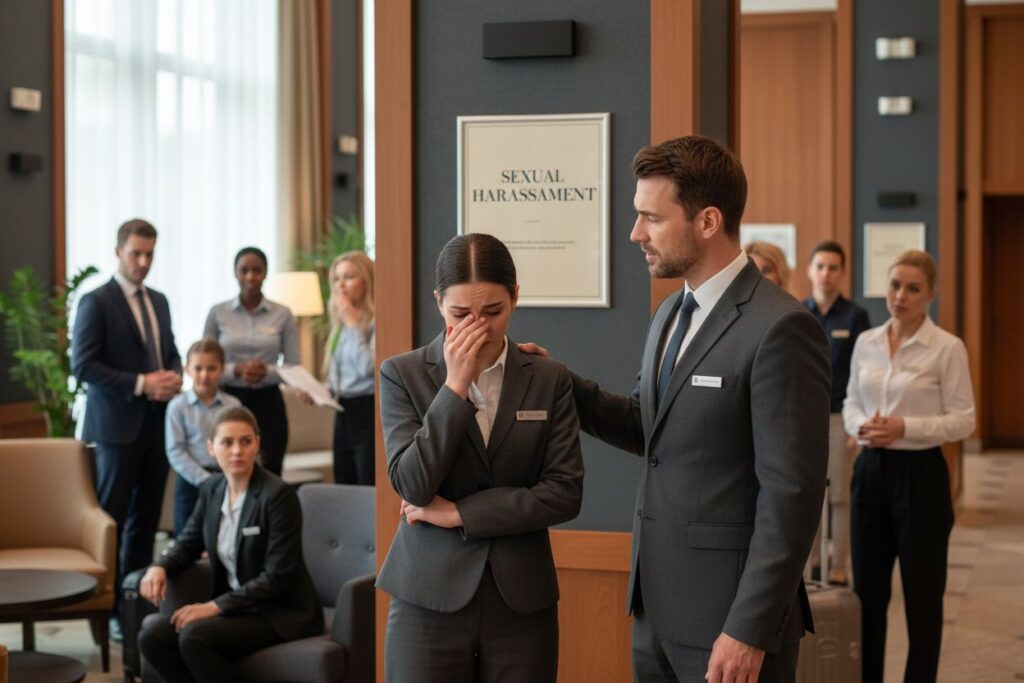
Sexual harassment in the hospitality industry affects thousands of restaurant, hotel, and bar employees each year and creates unique risks most people never notice. Research shows that close physical proximity, late night shifts, and alcohol-influenced environments all contribute to a much higher chance of harassment compared to other fields. Most would think that strict company policies and legal protections would be enough to prevent it. The real surprise is that these very protections often fall short, leaving employees to face hidden power imbalances and persistent threats every day.
Table of Contents
- What Is Sexual Harassment In The Hospitality Industry?
- Why Sexual Harassment Claims Matter In Today’s Workforce
- The Impact Of #metoo On Hospitality Services And Regulations
- Key Concepts In Navigating Sexual Harassment Claims
- How Claims Are Addressed And Resolved In Hospitality
Quick Summary
| Takeaway | Explanation |
|---|---|
| Sexual harassment is complex and systemic. | It involves ongoing power imbalances and challenges in the workplace that affect employee well-being. |
| Document incidents thoroughly for claims. | Successful claims often rely on detailed records of inappropriate behavior and workplace interactions. |
| Internal mechanisms are the first step. | Most organizations utilize structured reporting processes before escalating issues externally if unresolved. |
| #MeToo sparked significant regulatory changes. | The movement led to stronger protections and accountability measures implemented in the hospitality industry. |
| Claims address broader cultural issues. | They highlight systemic problems within organizations and can lead to cultural transformation and better work environments. |
What is Sexual Harassment in the Hospitality Industry?
Sexual harassment in the hospitality industry represents a complex and pervasive workplace challenge that extends far beyond isolated incidents. The unique working environment of hotels, restaurants, bars, and tourism services creates distinct vulnerabilities for workers experiencing inappropriate sexual conduct.
Defining Sexual Harassment in Hospitality Contexts
Research from the Equal Employment Opportunity Commission reveals that sexual harassment encompasses unwelcome sexual advances, inappropriate verbal or physical conduct, and requests for sexual favors that create a hostile work environment. In hospitality settings, these behaviors can manifest through multiple interactions involving guests, supervisors, and coworkers.
The industry’s distinctive characteristics contribute to heightened harassment risks:
- Close physical proximity during service interactions
- Late night work shifts
- Alcohol-influenced environments
- Power dynamics between employees and management
- High-stress customer service scenarios
Legal and Professional Implications
Sexual harassment goes beyond uncomfortable interactions. It represents a serious legal and professional violation with potential consequences including:
- Emotional and psychological trauma for victims
- Professional reputation damage
- Potential legal action and financial penalties for employers
- Workplace productivity disruption
Read our comprehensive guide on sexual harassment claims for deeper insights into workplace protections and legal recourse. Workers experiencing harassment have significant rights and potential remedies under employment law.
Understanding these dynamics requires recognizing that sexual harassment is not about isolated incidents, but systematic power imbalances that can profoundly impact individual workers’ professional experiences and mental well-being.
To clarify the main types of sexual harassment and their manifestations in hospitality, the following table organizes key behaviors and factors that heighten risk in this industry.
| Type of Harassment | Description | Common Hospitality Risk Factors |
|---|---|---|
| Hostile Work Environment | Unwelcome conduct creating an intimidating or offensive atmosphere | Close proximity, late shifts, alcohol influence |
| Quid Pro Quo | Sexual favors requested in exchange for job benefits or avoiding negative consequences | Power dynamics between employees and management |
| Inappropriate Physical Conduct | Unwanted touching or physical advances | High-stress customer service scenarios |
| Inappropriate Verbal Conduct | Sexual comments, jokes, or suggestions | Frequent guest interactions, team stress |
| Sexual Advances by Third Parties | Guests or customers harassing employees | Alcohol-influenced guests, public settings |
Why Sexual Harassment Claims Matter in Today’s Workforce
Sexual harassment claims represent more than legal procedures. They are critical indicators of workplace culture, organizational health, and fundamental human dignity. These claims shed light on systemic power dynamics and serve as crucial mechanisms for protecting worker rights and promoting safe professional environments.
Impact on Individual Well-being
Research from the National Academies demonstrates that workplace sexual harassment creates profound psychological and professional consequences for victims. Employees subjected to harassment often experience:
- Significant mental health challenges
- Reduced job performance and productivity
- Career trajectory disruptions
- Increased stress and anxiety
- Potential long-term professional marginalization
Organizational and Societal Implications
Beyond individual experiences, sexual harassment claims have broader implications for organizational integrity and societal progress. Unaddressed harassment undermines workplace effectiveness and perpetuates toxic professional cultures. Comprehensive reporting and transparent investigation processes become essential strategies for creating meaningful cultural transformation.
Learn more about protecting employee rights through professional legal guidance and support. Sexual harassment claims are not merely about individual incidents but represent systematic efforts to challenge inappropriate workplace behaviors and establish respectful professional standards.
Understanding these claims requires recognizing them as powerful tools for cultural change, individual empowerment, and institutional accountability. They represent critical mechanisms for dismantling harmful power structures and creating more equitable, safe working environments across industries.
The Impact of #MeToo on Hospitality Services and Regulations
The #MeToo movement fundamentally transformed workplace dynamics, with the hospitality industry experiencing profound regulatory and cultural shifts. This global movement exposed systemic power imbalances and created unprecedented momentum for structural workplace reforms.
Regulatory Landscape Transformation
Research indicates significant regulatory changes following #MeToo, particularly within hospitality services. State legislatures and industry associations began implementing more robust protection mechanisms:
- Mandatory sexual harassment training programs
- Standardized reporting procedures
- Enhanced worker protection protocols
- Increased legal accountability for employers
- Implementation of workplace conduct monitoring systems
Technological and Cultural Interventions
The movement catalyzed innovative workplace safety technologies and cultural interventions. Hotels and restaurants started adopting proactive safety measures like employee panic buttons, independent complaint mechanisms, and transparent investigation protocols.
These interventions recognize that workplace safety requires systemic changes beyond traditional legal frameworks. Employers must create environments where workers feel empowered to report misconduct without fear of retaliation.
Learn more about employee rights and legal protections through professional legal guidance. The #MeToo movement represents more than a moment of reckoning it signifies a fundamental reimagining of professional relationships and organizational accountability.
Ultimately, these changes reflect a broader societal commitment to creating respectful, equitable workplaces where every individual can perform their professional responsibilities with dignity and safety.
Key Concepts in Navigating Sexual Harassment Claims
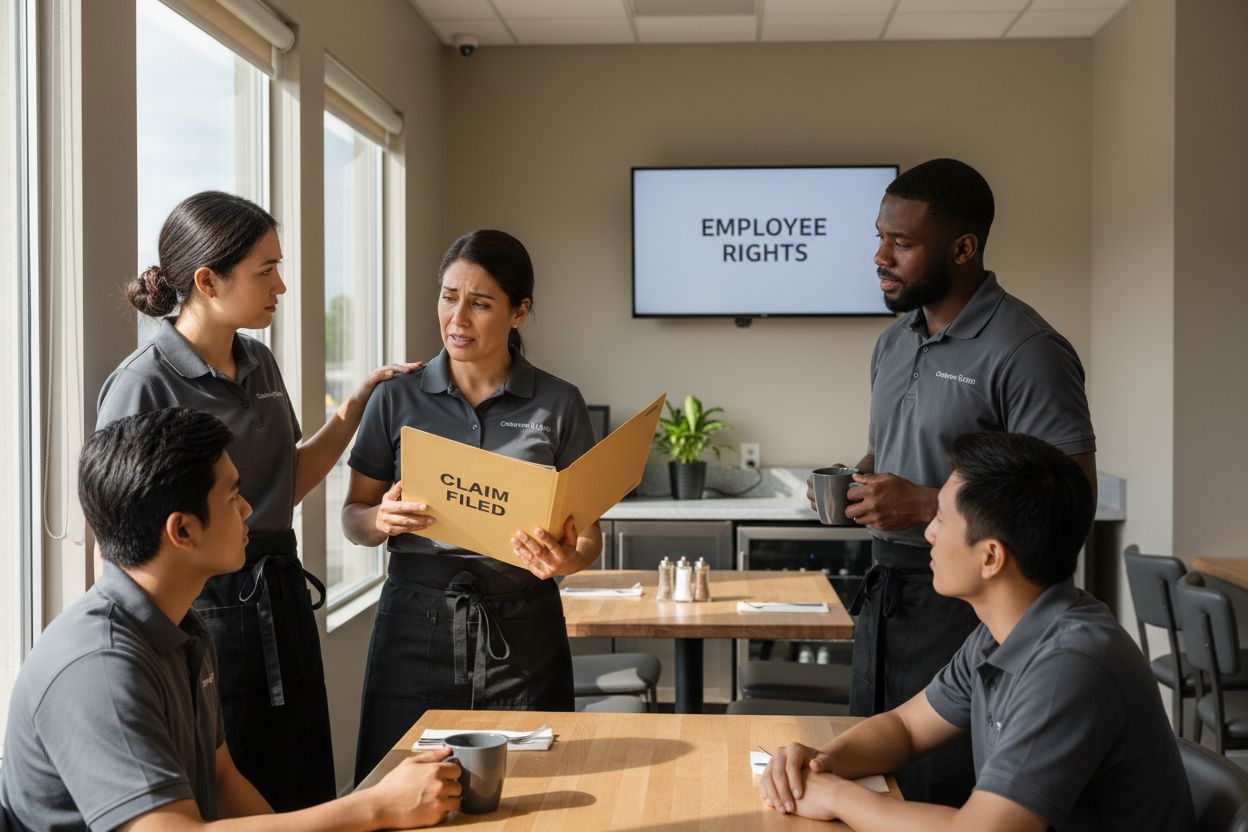
Navigating sexual harassment claims requires understanding complex legal, emotional, and professional dynamics. Employees must be equipped with critical knowledge to protect their rights and pursue appropriate resolution strategies.
Legal Recognition and Documentation
Research from the Equal Employment Opportunity Commission highlights the importance of comprehensive documentation when pursuing sexual harassment claims. Successful claims typically require evidence demonstrating:
- Specific instances of inappropriate behavior
- Documented workplace interactions
- Potential witness statements
- Clear pattern of harassment
- Contemporaneous records of incidents
Understanding Claim Validation Processes
Sexual harassment claims involve intricate validation processes that assess the severity, frequency, and impact of inappropriate workplace conduct. Credible claims must demonstrate that the behavior:
- Created a hostile work environment
- Was unwelcome and inappropriate
- Substantially interfered with work performance
- Violated established workplace conduct standards
Check out our comprehensive sexual harassment FAQs for deeper insights into legal protections and claim processes. Understanding these nuanced procedures empowers workers to take informed, strategic actions when confronting workplace harassment.
Successful navigation of sexual harassment claims requires a combination of legal knowledge, emotional resilience, and strategic documentation.
Workers must recognize that these claims are not just about individual incidents but represent broader efforts to establish safe, respectful professional environments.
How Claims are Addressed and Resolved in Hospitality
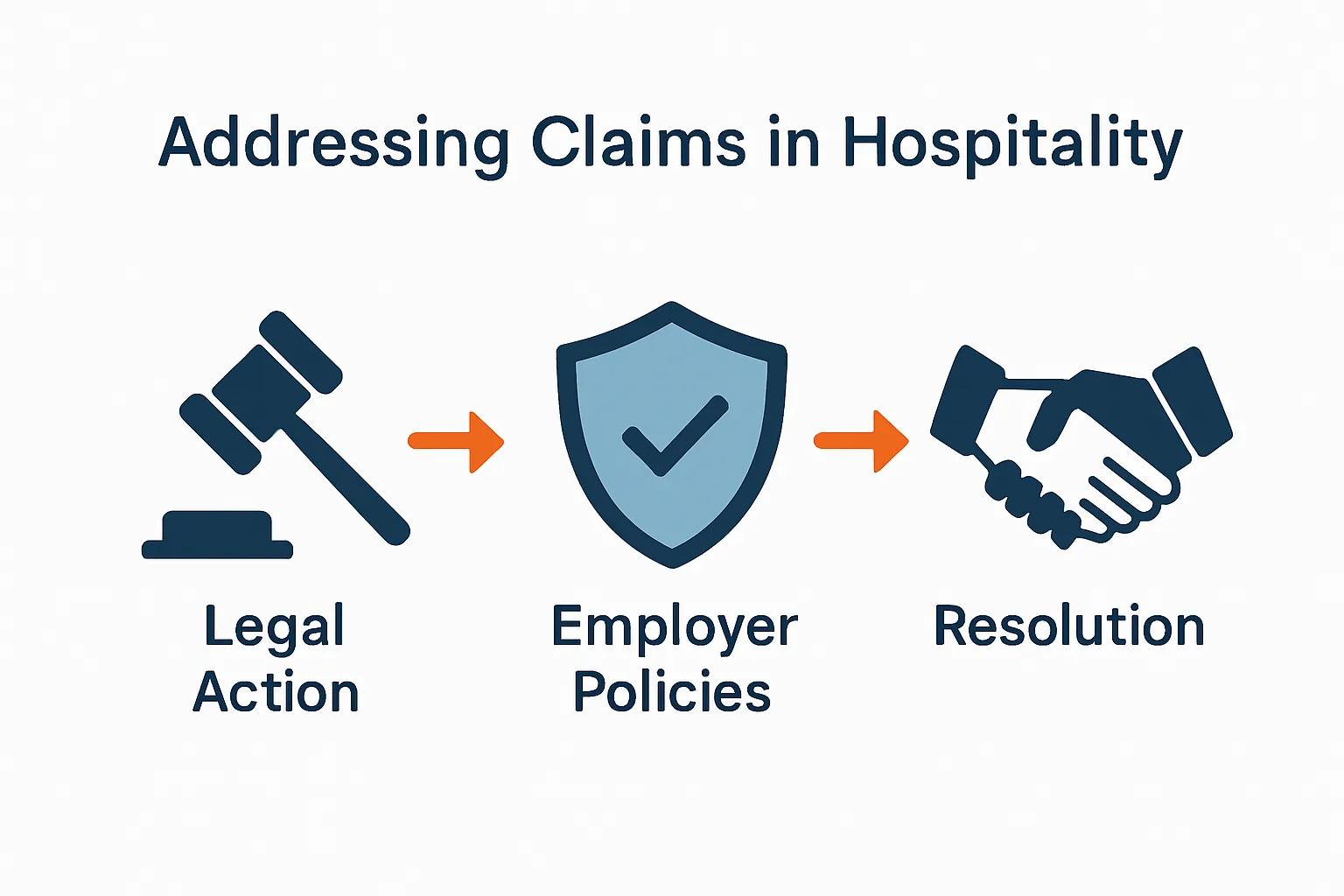
Addressing sexual harassment claims in the hospitality industry requires a multi-layered approach that balances employee protection, organizational accountability, and legal compliance. The resolution process involves several complex stages designed to ensure fair and comprehensive investigation.
Internal Reporting and Investigation Mechanisms
Legal research from Cornell Law School reveals that most sexual harassment claims initially follow internal resolution protocols. Organizations typically establish structured processes that include:
- Confidential reporting channels
- Dedicated human resources investigation teams
- Impartial review procedures
- Protection against potential retaliation
- Documented investigation protocols
Escalation and External Resolution Pathways
When internal mechanisms fail, employees have multiple external avenues for addressing sexual harassment claims. Critical escalation options include:
- Filing complaints with the Equal Employment Opportunity Commission
- Pursuing mediation services
- Initiating legal proceedings
- Engaging state-level workplace discrimination agencies
- Seeking professional legal consultation
Learn more about your legal rights and claim resolution strategies through professional legal guidance. The resolution process is not merely about addressing individual incidents but about creating systemic accountability and preventing future workplace misconduct.
Successful claim resolution requires a comprehensive approach that prioritizes victim support, organizational transparency, and meaningful cultural transformation within hospitality workplace environments.
The following table outlines the typical process for addressing and resolving sexual harassment claims in hospitality, from internal reporting to external escalation, to help readers visualize the multi-stage journey.
| Stage | Description | Key Actions Involved |
|---|---|---|
| Internal Reporting | Employee uses company channels to report harassment | Confidential report, HR notified |
| Internal Investigation | Organization investigates the claim | Witness interviews, evidence collection |
| Review and Decision | Company evaluates findings and makes a decision | Policy review, recommendation provided |
| External Escalation | If unresolved, employee turns to external agencies | EEOC, legal filing, mediation considered |
| Legal Resolution/Settlement | Claim handled by courts or legal representatives | Potential compensation or workplace reform |
Get Trusted Legal Support for Hospitality Harassment Claims
If you are feeling overwhelmed by complex power dynamics or struggling to navigate sexual harassment claims in the hospitality industry after #MeToo, you are not alone. These situations can have a devastating impact on your career, emotional health, and workplace safety. Unclear reporting channels, fear of retaliation, and ever-changing regulations only make it harder to protect your rights. Our in-depth experience in California Employment Law means we understand the challenges unique to hospitality workers, from late shifts and high-pressure environments to the stress of dealing with management or guests.
You do not have to face workplace injustice alone. Visit Serendib Law Firm today to access skilled legal guidance, free consultations, and practical solutions for sexual harassment claims. Discover your strongest path forward and let our team advocate for your rights in the hospitality sector. The steps you take now can make all the difference in your future. Learn more about your options and get started with a trusted legal partner.
Frequently Asked Questions
What constitutes sexual harassment in the hospitality industry?
Sexual harassment in the hospitality industry includes unwelcome sexual advances, inappropriate verbal or physical conduct, and requests for sexual favors that create a hostile work environment. This can involve interactions with guests, coworkers, or supervisors.
How has the #MeToo movement affected sexual harassment regulation in hospitality?
The #MeToo movement has led to significant regulatory changes in the hospitality industry, including mandatory sexual harassment training programs, standardized reporting procedures, and enhanced worker protection protocols designed to create safer environments for employees.
What steps should employees take if they experience sexual harassment at work?
Employees should document specific incidents of harassment, report the behavior through internal channels, and seek legal guidance if necessary. They may also escalate the issue to external agencies like the Equal Employment Opportunity Commission if internal mechanisms do not resolve the situation.
What are the potential consequences for employers who do not address sexual harassment claims?
Employers who fail to address sexual harassment claims may face emotional and psychological trauma for victims, disruption to workplace productivity, legal actions, and financial penalties, as well as damage to their organizational reputation.
One Response