
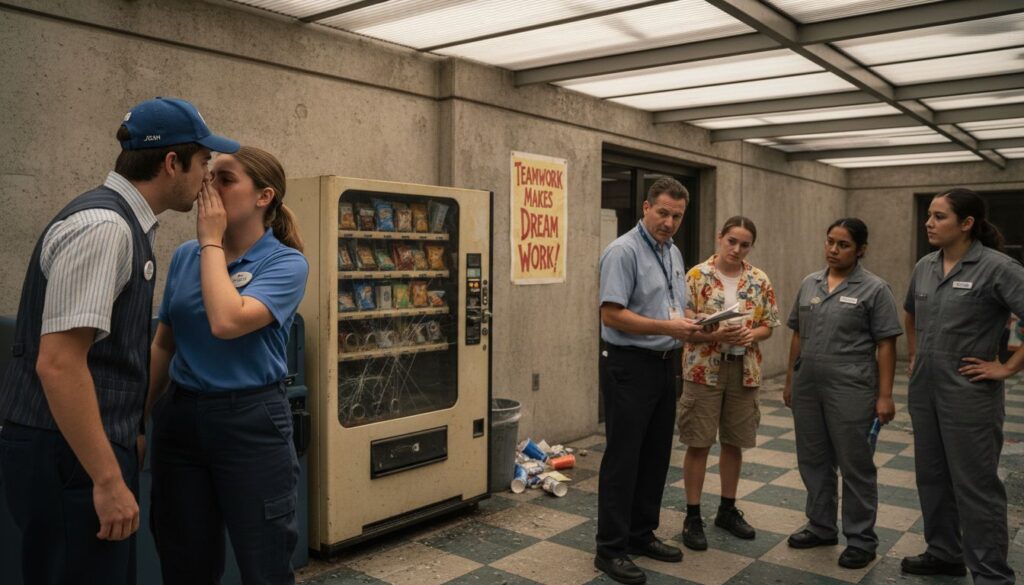
Over 60 percent of American workers have witnessed or experienced inappropriate workplace conduct, making hostile work environments a pressing concern in places like Anaheim. Amid the high-energy attractions and theme parks, employees often face challenges that go beyond customer service. Understanding what defines a hostile work environment empowers theme park staff to recognize their rights and take action to protect their well-being.
Table of Contents
- Defining Hostile Work Environments In Anaheim
- Types Of Harassment And Discrimination
- Unfair Scheduling Practices And Legal Risks
- Legal Rights For Theme Park Employees
- Filing And Proving A Workplace Claim
Key Takeaways
| Point | Details |
|---|---|
| Understanding Hostile Work Environments | A hostile work environment is characterized by pervasive conduct that creates an intimidating atmosphere, violating legal standards of discrimination. |
| Types of Harassment | Common forms of harassment in theme parks include age discrimination, disability discrimination, and sexual harassment, all of which can significantly affect employee morale. |
| Legal Rights of Employees | Theme park employees in Anaheim have comprehensive legal protections under California law, allowing them to address discrimination and harassment through formal complaints. |
| Filing Workplace Claims | Employees should document incidents meticulously to support any claims of harassment, focusing on consistent patterns of behavior rather than isolated events. |
Defining Hostile Work Environments in Anaheim
In the entertainment-driven landscape of Anaheim, particularly within theme park settings, understanding hostile work environments becomes crucial for employee protection. According to legal standards, a hostile work environment emerges when workplace conduct becomes so severe or pervasive that it creates an intimidating, offensive, or abusive atmosphere for reasonable employees.
The United States legal framework defines a hostile work environment through specific criteria, specifically targeting behavior that constitutes illegal discrimination. This includes unwelcome conduct based on protected characteristics such as race, color, religion, sex, national origin, age, disability, or genetic information. In Anaheim’s theme parks, such environments might manifest through repeated inappropriate comments, discriminatory treatment, sexual harassment, or persistent unwelcome behaviors that interfere with an employee’s ability to perform their job effectively.
Specifically for Anaheim workplaces, the standards are stringent. Workplace conduct regulations in Anaheim emphasize that harassment goes beyond isolated incidents and must be demonstrably severe enough to create a hostile working environment. Key indicators include:
- Persistent discriminatory comments or actions
- Unwelcome sexual advances
- Conduct that substantially disrupts work performance
- Behaviors that create an intimidating professional atmosphere
Employees experiencing such environments have legal protections and can pursue remedies through appropriate workplace complaint mechanisms or legal channels. Understanding these definitions empowers workers to recognize and address inappropriate workplace dynamics effectively.
Types of Harassment and Discrimination
In the dynamic environment of Anaheim’s theme parks, workers face multiple potential forms of workplace harassment and discrimination that can significantly impact their professional experiences. Workplace discrimination encompasses a broad range of unacceptable behaviors targeting protected characteristics, creating hostile and challenging work environments for employees.
The most prevalent types of harassment and discrimination in theme park settings include age discrimination, disability discrimination, and sexual harassment. Age discrimination typically involves unfairly treating employees over 40, potentially limiting career advancement or creating a marginalized workplace atmosphere. Disability discrimination occurs when qualified employees with disabilities are treated unfavorably or denied reasonable workplace accommodations.
Harassing conduct can manifest through various inappropriate behaviors, including:
- Offensive jokes or slurs
- Derogatory comments about protected characteristics
- Physical intimidation or threats
- Displaying offensive images or objects
- Systematic exclusion from professional opportunities
- Unwelcome sexual advances
- Inappropriate touching or physical contact
Theme park employees must recognize that harassment extends beyond isolated incidents and can create a pervasive, toxic work environment. Understanding these nuanced forms of discrimination empowers workers to identify inappropriate conduct and seek appropriate legal recourse when their professional rights are violated.
Unfair Scheduling Practices and Legal Risks
Theme park employees in Anaheim frequently encounter complex scheduling challenges that can potentially constitute workplace harassment or discriminatory practices. Research in hospitality management reveals that inconsistent work scheduling can create significant legal risks for employers, potentially exposing them to costly litigation and workplace misconduct claims.
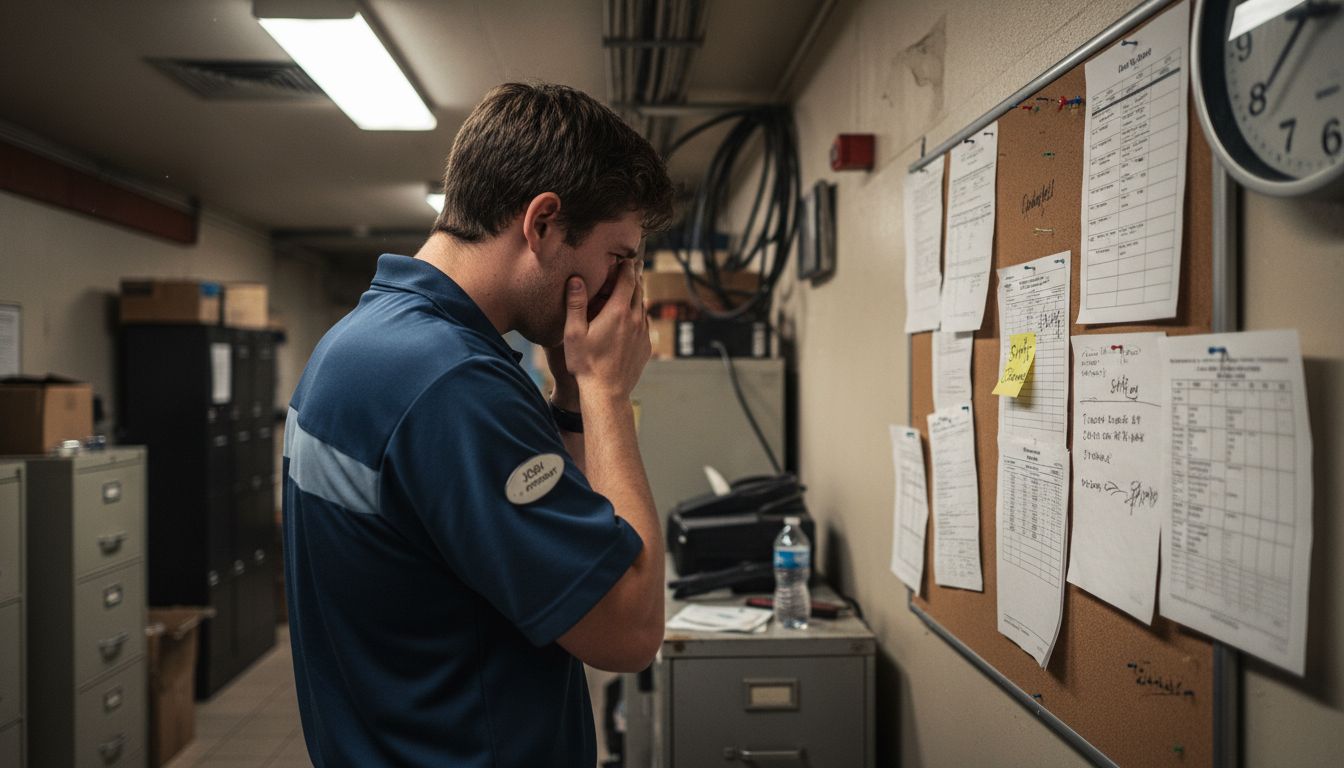
Unfair scheduling practices manifest in multiple problematic ways, including sudden shift changes, arbitrary hour reductions, unpredictable work assignments, and systematic marginalization of certain employee groups. Scheduling discrimination can occur when management consistently assigns less desirable shifts or fewer hours to employees based on protected characteristics such as age, race, gender, or disability status.
Occupational hazards associated with poor scheduling practices include significant risks beyond legal complications:
- Increased employee fatigue
- Higher likelihood of workplace accidents
- Reduced employee morale
- Potential violation of labor regulations
- Compromised workplace safety
- Decreased overall productivity
Theme park management must recognize that scheduling is not merely an administrative function but a critical aspect of workplace equity. Implementing transparent, consistent, and fair scheduling practices is essential to mitigating legal risks and maintaining a respectful, productive work environment that protects employee rights and organizational interests.
Legal Rights for Theme Park Employees
Theme park workers in Anaheim are protected by robust legal frameworks designed to safeguard their rights and prevent workplace discrimination. California’s comprehensive Fair Employment and Housing Act provides extensive protections for employees across multiple protected characteristics, ensuring workers have legal recourse against discriminatory practices.
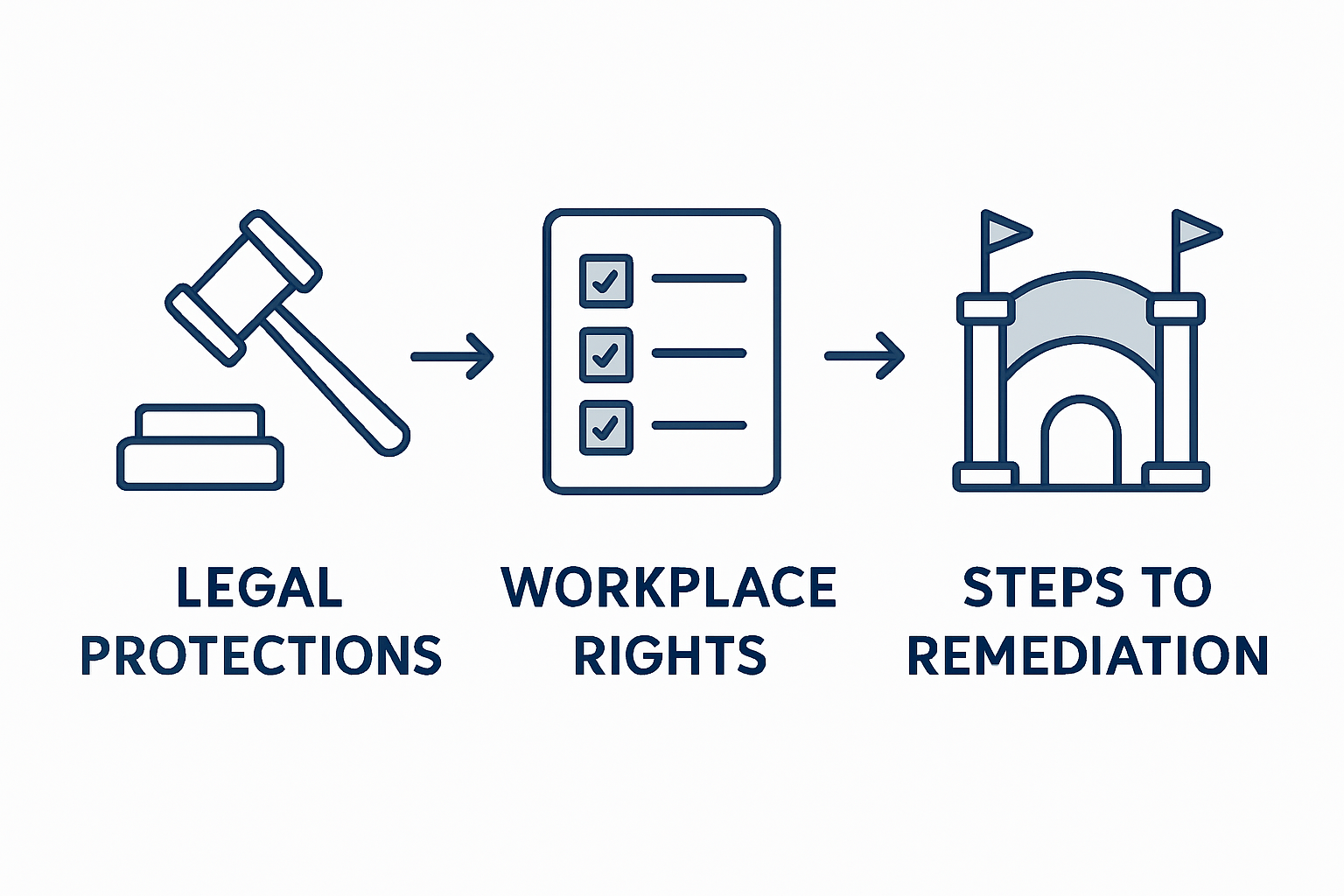
The legal rights for theme park employees encompass several critical protections, including protection from discrimination based on race, color, religion, national origin, age, disability, medical condition, sexual orientation, and pregnancy. These protections apply to all aspects of employment, including hiring, promotion, compensation, training, and termination processes. Employees who experience violations of these rights can pursue legal action through administrative complaints or civil lawsuits.
Anaheim provides specific grievance procedures that enable employees to challenge workplace discrimination effectively:
- File formal written complaints
- Request independent investigations
- Seek potential remedies for discriminatory actions
- Challenge unfair employment practices
- Protect against potential retaliation
- Ensure confidential reporting mechanisms
Additionally, theme park employees have fundamental rights under federal and state laws, including minimum wage protections, overtime compensation, workplace safety standards, and protection from harassment. Understanding these legal rights empowers workers to maintain dignified, respectful, and equitable working conditions in the entertainment industry.
Filing and Proving a Workplace Claim
Theme park employees experiencing workplace harassment face complex legal challenges that require strategic documentation and precise evidence gathering. Anaheim’s official grievance procedures provide a structured framework for employees to file discrimination complaints, enabling workers to formally challenge inappropriate workplace conduct.
Proving a workplace claim involves collecting comprehensive substantiating evidence that demonstrates the pattern and severity of harassment. Critical documentation includes detailed incident reports, dated emails, witness statements, performance records showing potential retaliation, and contemporaneous notes describing specific discriminatory behaviors. Employees must establish that the harassment was severe or pervasive enough to create a hostile work environment, which typically requires showing a consistent pattern of inappropriate conduct rather than isolated incidents.
Workplace harassment reporting guidelines emphasize prompt and thorough documentation, recommending the following evidence collection strategies:
- Maintain a chronological record of incidents
- Collect physical or digital evidence
- Identify potential witnesses
- Document emotional and professional impact
- Preserve communication records
- Note specific dates, times, and locations
Successful workplace claims require employees to demonstrate that the harassment was objectively offensive, interfered with work performance, and would be considered intimidating by a reasonable person. Legal professionals recommend consulting an employment attorney to assess claim strength and navigate complex reporting procedures effectively.
Protect Your Rights Against Hostile Work Environments in Anaheim
If you are facing ongoing harassment, unfair scheduling, or discrimination at an Anaheim theme park your work environment might meet legal definitions of a hostile workplace. These challenges—especially when they involve harassment that is persistent and severe—can deeply affect your job performance and well-being. Understanding your legal protections against issues like discriminatory treatment, sexual harassment, and retaliatory scheduling practices is critical to reclaiming your professional dignity and peace of mind.
At Serendib Law Firm, our experienced attorneys are dedicated to helping Anaheim employees fight hostile work environments and workplace discrimination. Explore our Harassment Archives to learn more about these complex issues or visit our Anaheim Archives for localized guidance. Don’t let hostile conditions continue unchecked. Take the first step today by contacting us through https://serendiblaw.com for a free consultation. Get the support you deserve to protect your legal rights and move forward with confidence.
Frequently Asked Questions
What constitutes a hostile work environment in theme parks?
A hostile work environment occurs when workplace conduct is severe or pervasive enough to create an intimidating, offensive, or abusive atmosphere for employees, often involving harassment based on protected characteristics.
What are common types of harassment faced by employees in theme parks?
Common types of harassment include age discrimination, disability discrimination, sexual harassment, and various forms of offensive conduct such as inappropriate comments, threats, or unwelcome advances.
How can employees file a complaint regarding workplace harassment?
Employees can file a formal complaint by utilizing established grievance procedures, which may involve submitting written complaints, requesting investigations, and providing detailed documentation of incidents.
What legal rights do theme park employees have regarding discrimination?
Theme park employees are protected from discrimination based on race, color, religion, national origin, age, disability, sexual orientation, and more, ensuring fairness in various employment aspects such as hiring, promotion, and compensation.
One Response