

More than half of American workers say their religious beliefs shape their daily routines, yet many still face obstacles when seeking schedule adjustments for faith-based observances. The issue of religious leave discrimination remains critical because it affects job security and personal well-being for countless individuals across the United States. Understanding the rules and rights surrounding religious accommodations can give employees the confidence to advocate for themselves and help employers build a truly inclusive workplace.
Table of Contents
- Defining Religious Leave Discrimination at Work
- Sabbath Observance: Common Scenarios and Misconceptions
- Legal Protections for Sabbath-Keeping Employees
- Employers’ Accommodation Obligations and Limits
- Employee Rights, Legal Remedies, and Employer Defenses
Key Takeaways
| Point | Details |
|---|---|
| Understanding Religious Discrimination | Employers must not discriminate based on religious beliefs and must provide reasonable accommodations unless it causes undue hardship. |
| Importance of Documentation | Employees should document every instance of potential discrimination to strengthen their position if filing a complaint. |
| Engagement in Accommodation Process | Employers are required to engage in good faith discussions to find workable solutions for religious accommodation requests. |
| Legal Protections and Remedies | Employees have the right to seek legal remedies for discrimination, including compensation and reinstatement, after proving adverse actions related to their religious practices. |
Defining Religious Leave Discrimination at Work
Religious leave discrimination occurs when employers treat employees unfairly based on their religious beliefs, practices, or observances. This complex form of workplace discrimination extends beyond traditional religious practices to encompass deeply held ethical and moral beliefs. Under federal law, specifically Title VII of the Civil Rights Act, employees are protected from adverse employment actions rooted in religious bias.
Discrimination can manifest in multiple ways: denying reasonable accommodations for religious practices, scheduling conflicts, dress code restrictions, or creating a hostile work environment. Employers in Villa Park and across the United States are legally obligated to provide reasonable accommodations for employees’ religious observances unless such accommodations would create an undue hardship for the business. This means workers should be able to practice their faith without facing negative consequences in their professional lives.
Specifically, religious leave discrimination might involve scenarios like preventing an employee from taking time off for important religious holidays, forcing workers to violate core religious beliefs, or penalizing them for wearing religious attire. Religious discrimination protections are comprehensive, covering not just major organized religions but also sincerely held spiritual beliefs that play a significant role in an individual’s life and worldview.
Pro Tip for Employees: Document every instance of potential religious discrimination, including dates, witnesses, and specific actions. Maintaining a detailed record can provide critical evidence if you need to file a formal complaint with the Equal Employment Opportunity Commission (EEOC).
Sabbath Observance: Common Scenarios and Misconceptions
Sabbath observance represents a critical aspect of religious accommodation in workplace settings, where employees seek protection for their sacred religious practices. Workplace religious accommodation guidelines mandate that employers provide reasonable adjustments for employees whose religious beliefs require specific scheduling considerations.
Common scenarios involving Sabbath observance include requests for shift modifications, schedule changes, or alternatives that allow workers to honor their religious traditions. Many employees from various faith backgrounds require time off or schedule adjustments during specific days or hours of religious significance. These might include Jewish employees observing Shabbat, Seventh Day Adventists keeping Saturday as their Sabbath, or other religious groups with specific weekly worship requirements. Employers must engage in a good faith interactive process to find workable solutions that do not create undue hardship for the business.
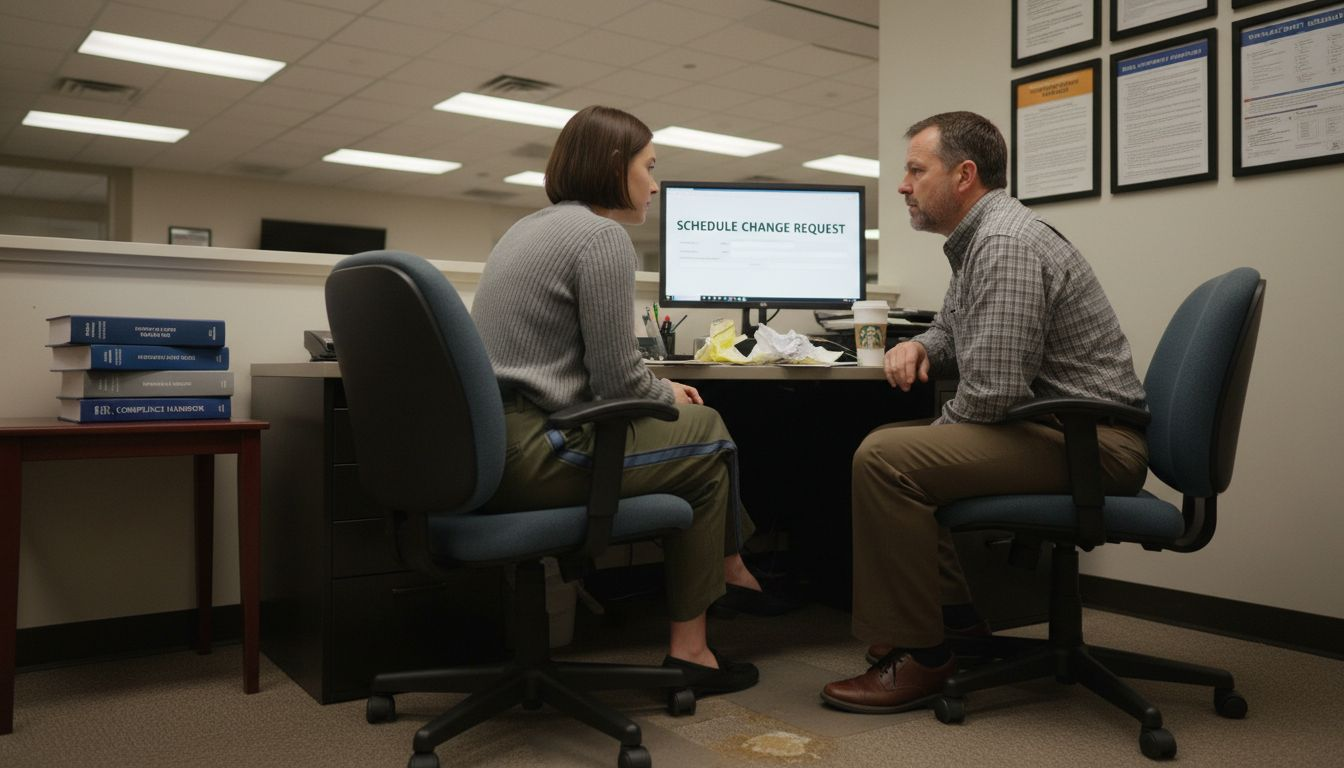
Misconceptions about Sabbath accommodations often emerge from misunderstandings about legal obligations. Many employers incorrectly assume that religious accommodation requests will automatically disrupt workplace operations. However, practical solutions like voluntary shift swaps, flexible scheduling, or minor policy adjustments can frequently resolve potential conflicts without significant workplace disruption. The key is understanding that accommodation does not mean preferential treatment, but rather creating an inclusive environment that respects diverse religious practices.
Pro Tip for Employers: Develop a clear, written policy for religious accommodation that outlines the process for requesting and evaluating scheduling adjustments. This proactive approach can help prevent misunderstandings and demonstrate organizational commitment to religious diversity.
Legal Protections for Sabbath-Keeping Employees
Title VII of the Civil Rights Act provides robust legal protections for employees who observe Sabbath practices, ensuring they cannot be discriminated against or penalized for their religious beliefs. This fundamental legal framework guarantees that workers have the right to practice their faith without experiencing adverse employment consequences, covering all stages of employment from hiring to termination.
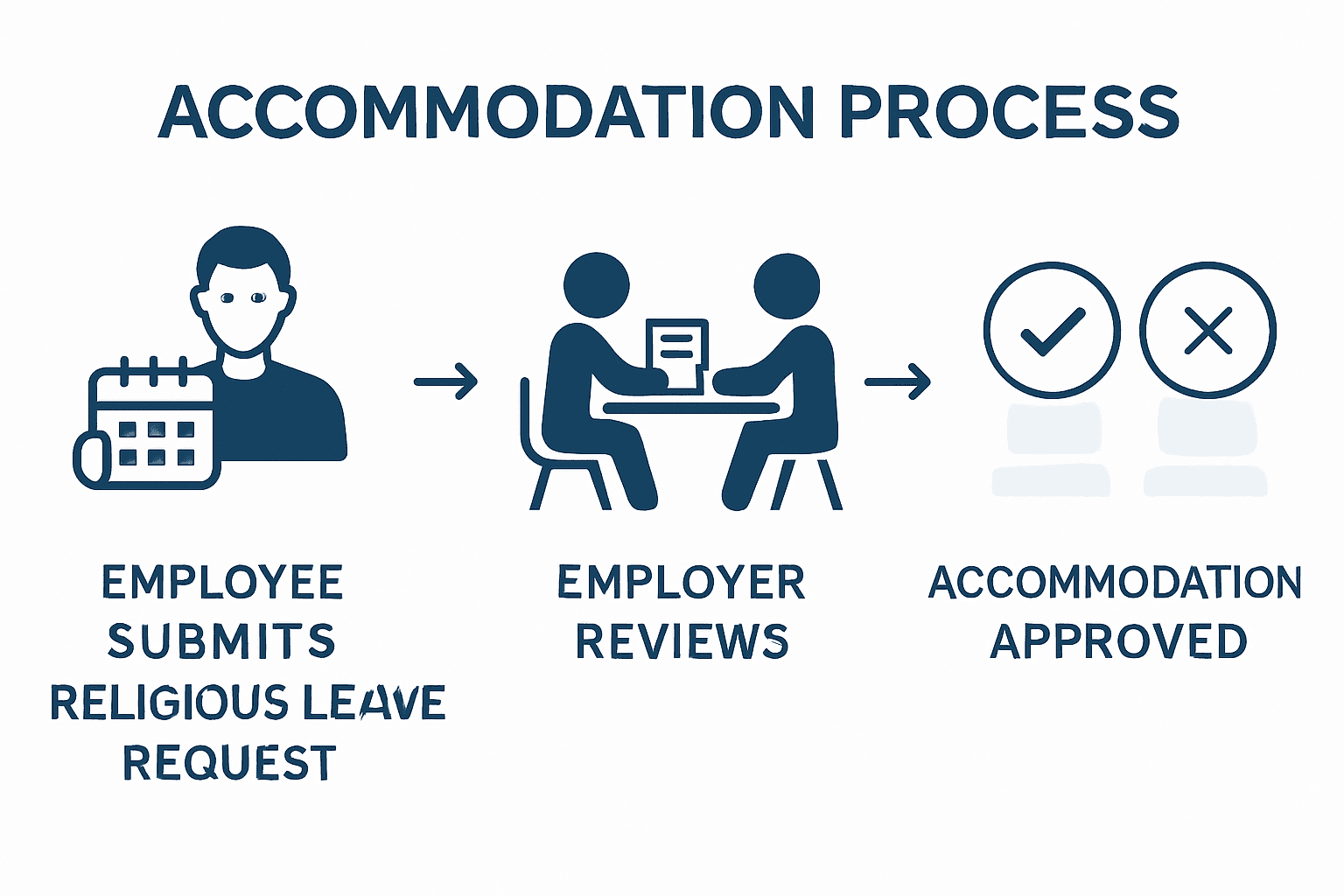
Employers are legally mandated to provide reasonable accommodations for Sabbath observance, which may include schedule modifications, shift swaps, or alternative work arrangements. These accommodations must be implemented without causing undue hardship to the business operations. The legal standard requires employers to engage in a good faith interactive process with employees, exploring potential solutions that respect both the worker’s religious practices and the organization’s operational needs.
The scope of legal protections extends beyond simple scheduling considerations. Federal guidelines prohibit employers from making employment decisions based on an employee’s religious practices, including promotions, assignments, and workplace opportunities. Religious discrimination regulations explicitly protect workers from facing negative consequences for maintaining their religious observances, ensuring that Sabbath-keeping employees can fully participate in the workplace without fear of retaliation or marginalization.
Pro Tip for Employees: Maintain detailed documentation of your religious accommodation requests, including dates, conversations, and any employer responses. This documentation can be crucial evidence if you need to demonstrate a pattern of discrimination or support a potential legal claim.
Employers’ Accommodation Obligations and Limits
Employers have specific legal obligations when addressing religious accommodation requests, balancing employee rights with business operational needs. Disability accommodations guidelines provide a helpful framework for understanding the complex landscape of workplace accommodations, which similarly apply to religious leave considerations.
The primary obligation for employers is to engage in a good faith interactive process when an employee requests religious accommodations. This means actively discussing potential solutions that enable the employee to practice their religious beliefs without creating undue hardship for the business. Accommodations might include flexible scheduling, voluntary shift swaps, job reassignments, or modifications to workplace policies and practices. However, employers are not required to implement accommodations that would result in significant difficulty or expense for the organization.
Key limitations on accommodation obligations include scenarios where religious practices directly conflict with legitimate business requirements or create safety risks. For instance, if an accommodation would compromise workplace safety standards, compromise operational efficiency, or impose substantial financial burdens, employers may legally refuse the request. The critical factor is demonstrating that the proposed accommodation would cause genuine operational challenges rather than mere inconvenience or minor disruptions.
Pro Tip for Employers: Develop a comprehensive, written policy outlining your approach to religious accommodations. Consistently document all accommodation discussions and decisions to protect both employee rights and organizational interests.
Here’s a quick comparison of employer and employee responsibilities in the religious accommodation process:
| Role | Responsibilities | Critical Best Practice |
|---|---|---|
| Employer | Engage in good faith discussions | Document all accommodation efforts |
| Employee | Clearly communicate needs | Maintain detailed written records |
| Both | Consider alternative solutions | Foster open, respectful dialogue |
Employee Rights, Legal Remedies, and Employer Defenses
Employees experiencing religious discrimination have robust legal protections and multiple avenues for seeking justice. Employee rights guidelines underscore the fundamental protections against workplace discrimination, particularly when it involves sincerely held religious beliefs and practices.
Under federal law, workers can file discrimination charges with the Equal Employment Opportunity Commission (EEOC) if they experience adverse employment actions related to their religious practices. Legal remedies may include compensation for lost wages, reinstatement, mandatory workplace training, and potential punitive damages. The burden of proof initially rests with the employee to demonstrate that they experienced discrimination, after which the employer must provide a legitimate, non-discriminatory reason for their actions.
Employers are not without defenses, however. They can legally reject religious accommodation requests that would cause undue hardship, defined as more than a minimal cost or operational burden. This means businesses can refuse accommodations that significantly disrupt workflow, compromise safety standards, or create substantial financial strain. The key is demonstrating that the proposed religious accommodation would genuinely impede business operations rather than representing a mere inconvenience.
This table summarizes common employer defenses against religious accommodation claims and when they may apply:
| Defense Type | When This Applies | Key Legal Requirement |
|---|---|---|
| Undue Hardship | Causes significant cost or operational issues | More than minimal business impact |
| Safety or Efficiency | Accommodation jeopardizes safety or workflow | Demonstrated, not assumed, disruption |
| Conflict of Interest | Violates essential business policies | Policy must serve a legitimate need |
Pro Tip for Employees: Document every instance of potential religious discrimination meticulously, including dates, specific incidents, witnesses, and any communication related to your religious accommodation requests. Comprehensive documentation can significantly strengthen your legal position if you need to pursue a formal complaint.
Protect Your Right to Religious Leave in Villa Park Workplaces
Religious leave discrimination can create deep challenges when your sincerely held beliefs are not respected at work. If you face unfair treatment, denied accommodations, or penalties for observing your Sabbath or other religious practices, you are not alone. Understanding your rights under laws protecting reasonable accommodations is vital to maintaining dignity and fairness in your job. Key issues include ensuring employers participate in good faith discussions and recognizing when an accommodation request is met with unlawful rejection.
At Serendib Law Firm, we specialize in advocating for employees in Villa Park who experience discrimination related to religious leave. Whether you need help navigating denied scheduling requests or protection against retaliatory actions, our experienced attorneys stand ready to fight for your workplace rights. Explore our Leaves Archives and Villa Park Archives to learn more. Do not let unlawful religious discrimination disrupt your career or peace of mind. Contact us today at Serendib Law Firm for a free consultation and take the first step toward securing the respectful workplace you deserve.
Frequently Asked Questions
What is religious leave discrimination in the workplace?
Religious leave discrimination occurs when employers treat employees unfairly due to their religious beliefs, practices, or observances. This includes denying reasonable accommodations or creating a hostile work environment based on an individual’s faith.
What rights do employees have regarding religious accommodations?
Employees have the right under Title VII of the Civil Rights Act to request reasonable accommodations for their religious practices, which may include schedule modifications or shift changes, as long as it does not create undue hardship for the employer.
How can employees document religious discrimination claims?
Employees should maintain detailed records of any instances of potential religious discrimination, including dates, specific incidents, witnesses, and any communication related to their accommodation requests. This documentation can be crucial if they need to file a complaint.
What should employers do to comply with religious accommodation laws?
Employers should engage in a good faith interactive process when employees request religious accommodations. They should consider various solutions, develop a clear written policy for religious accommodation, and document all discussions and decisions to protect both employee rights and organizational interests.