
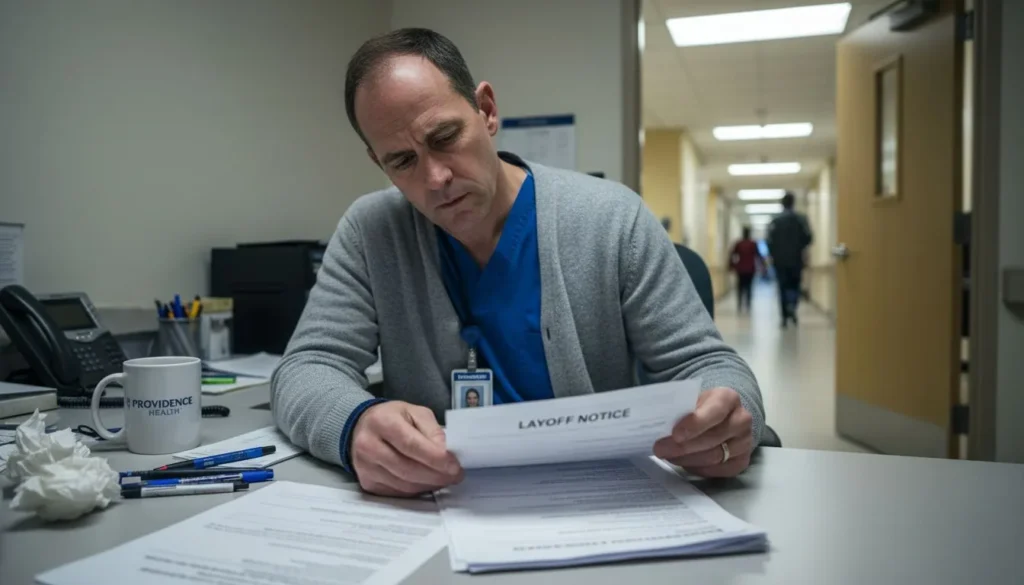
Over one third of American healthcare employees report uncertainty about their job security when hospitals announce restructuring plans. Job cuts at major systems like Providence Health & Services reveal just how unsettling these changes can be for those who rely on their positions in the industry. Understanding your legal rights and identifying signs of wrongful termination can protect you from being unfairly targeted or losing access to critical workplace protections.
Table of Contents
- Defining Wrongful Termination Amid Hospital Restructuring
- Types of Layoffs and Wrongful Discharge Scenarios
- Legal Protections for Providence Health Employees
- Proving Wrongful Termination and Gathering Evidence
- Steps to Take if You Suspect Unlawful Firing
Key Takeaways
| Point | Details |
|---|---|
| Understanding Wrongful Termination | Employees should recognize that wrongful termination during hospital restructuring can occur when dismissals violate public policy or anti-discrimination laws. |
| Documenting Evidence | Collect comprehensive documentation, including performance reviews and communications, to support claims of unlawful termination or discrimination. |
| Legal Protections | Providence Health & Services employees are protected under federal and state laws against discriminatory practices and retaliatory actions. |
| Immediate Actions | If facing potential wrongful termination, consult an employment law attorney promptly and file formal complaints with appropriate agencies for added protections. |
Defining Wrongful Termination Amid Hospital Restructuring
Wrongful termination during hospital restructuring involves complex legal considerations that go beyond standard employment practices. When healthcare institutions like Providence Health & Services implement significant workforce reductions, employees must understand their legal protections against unlawful dismissal. Emerging legal trends in healthcare employment demonstrate that not all layoffs are legally justifiable, even during financial restructuring.
In the context of hospital downsizing, wrongful termination occurs when an employee is fired for reasons that violate public policy, employment contracts, or anti-discrimination laws. For instance, in the case of Mark R. Hoffman v. Providence Health & Services, an employee alleged termination based on his patient safety advocacy and disability accommodations. Such cases highlight that hospitals cannot use restructuring as a pretext for discriminatory or retaliatory workforce reductions.
Key indicators of potential wrongful termination in hospital settings include dismissals related to whistleblowing, reporting safety concerns, requesting reasonable accommodations, or being terminated based on protected characteristics such as age, race, gender, or disability status. Employees facing potential wrongful termination should carefully document the circumstances of their dismissal, including any communications, performance records, and evidence suggesting discriminatory intent behind the layoff.
Pro Tip – Legal Documentation: Preserve all employment-related communications, performance reviews, and correspondence immediately after termination. These documents can serve as critical evidence if you pursue a wrongful termination claim against your healthcare employer.
Types of Layoffs and Wrongful Discharge Scenarios
Hospital workforce reductions can take multiple forms, with significant legal implications for both employers and employees. Recent healthcare restructuring trends demonstrate the complexity of organizational downsizing in medical settings. Economic-based layoffs represent one common scenario, where financial pressures drive workforce reductions, but not all terminations are legally defensible.
Several distinct layoff scenarios can potentially constitute wrongful discharge. These include discriminatory layoffs targeting protected classes, retaliatory terminations against employees who report misconduct, and dismissals that violate specific employment contracts or collective bargaining agreements. Discriminatory layoffs may occur when an organization disproportionately targets employees based on age, race, gender, disability status, or other protected characteristics. Providence’s layoff announcements highlight how complex these workforce reductions can become, especially in large healthcare systems.
Wrongful discharge scenarios extend beyond simple discrimination. They can include terminations that violate public policy, such as firing an employee for refusing to perform an illegal act, reporting safety violations, or exercising legally protected rights. In healthcare settings, this might involve whistleblowing about patient care issues, reporting medical errors, or advocating for workplace safety standards. Employees must recognize that while hospitals can implement economic restructuring, they cannot use these processes as a cover for illegal employment practices.
Here’s how wrongful termination scenarios differ from lawful hospital layoffs:
| Scenario Type | Lawful Layoff | Wrongful Termination |
|---|---|---|
| Reason for Termination | Based on economic necessity | Linked to protected activity or status |
| Documentation Required | Notice of restructuring | Evidence of discrimination or retaliation |
| Legal Recourse | Severance, unemployment benefits | Legal claim or complaint possible |
| Typical Examples | Layoff due to budget cuts | Firing after whistleblowing or requesting accommodations |
Pro Tip – Legal Protection: Document every interaction, performance review, and communication related to your employment, especially during periods of potential organizational restructuring. Detailed records can provide critical evidence if you need to challenge a potentially unlawful termination.
Legal Protections for Providence Health Employees
Healthcare employees at Providence Health & Services have substantial legal protections designed to safeguard their rights during organizational changes and potential workforce reductions. Legal precedents in employee protection demonstrate the robust framework of legal remedies available to workers facing potential discrimination or unlawful termination. These protections encompass multiple dimensions, including safeguards against discriminatory practices, whistleblower protections, and legal recourse for wage and hour violations.
Federal and state employment laws provide comprehensive protection for healthcare workers, covering areas such as disability accommodations, protection from retaliation, and prevention of discriminatory practices. Employees are shielded from termination based on protected characteristics including age, race, gender, disability status, and medical condition. The legal system recognizes the unique vulnerabilities of healthcare workers and offers multiple avenues for challenging inappropriate employment actions, including administrative complaints, internal grievance procedures, and potential litigation.
Landmark wage violation verdicts underscore the serious consequences for employers who violate employee rights. These legal actions not only provide financial compensation but also create systemic accountability within healthcare organizations. Key protections include the right to challenge wrongful termination, seek reasonable workplace accommodations, report safety concerns without fear of retaliation, and pursue legal remedies for wage and hour violations.
Here is a summary of key legal protections for Providence Health employees during restructuring:
| Protection Area | Provided By | What It Covers |
|---|---|---|
| Anti-Discrimination | Federal and state laws | Race, age, gender, disability, etc. |
| Whistleblower Rights | State whistleblower laws | Reporting safety or legal violations |
| Reasonable Accommodations | Americans with Disabilities Act | Disability or medical condition needs |
| Wage & Hour Protections | Fair Labor Standards Act | Proper compensation, overtime pay |
Pro Tip – Documentation Strategy: Create and maintain a comprehensive file of all employment-related documents, including performance reviews, communication records, and incident reports. These materials can serve as critical evidence if you need to pursue legal action regarding workplace rights violations.
Proving Wrongful Termination and Gathering Evidence
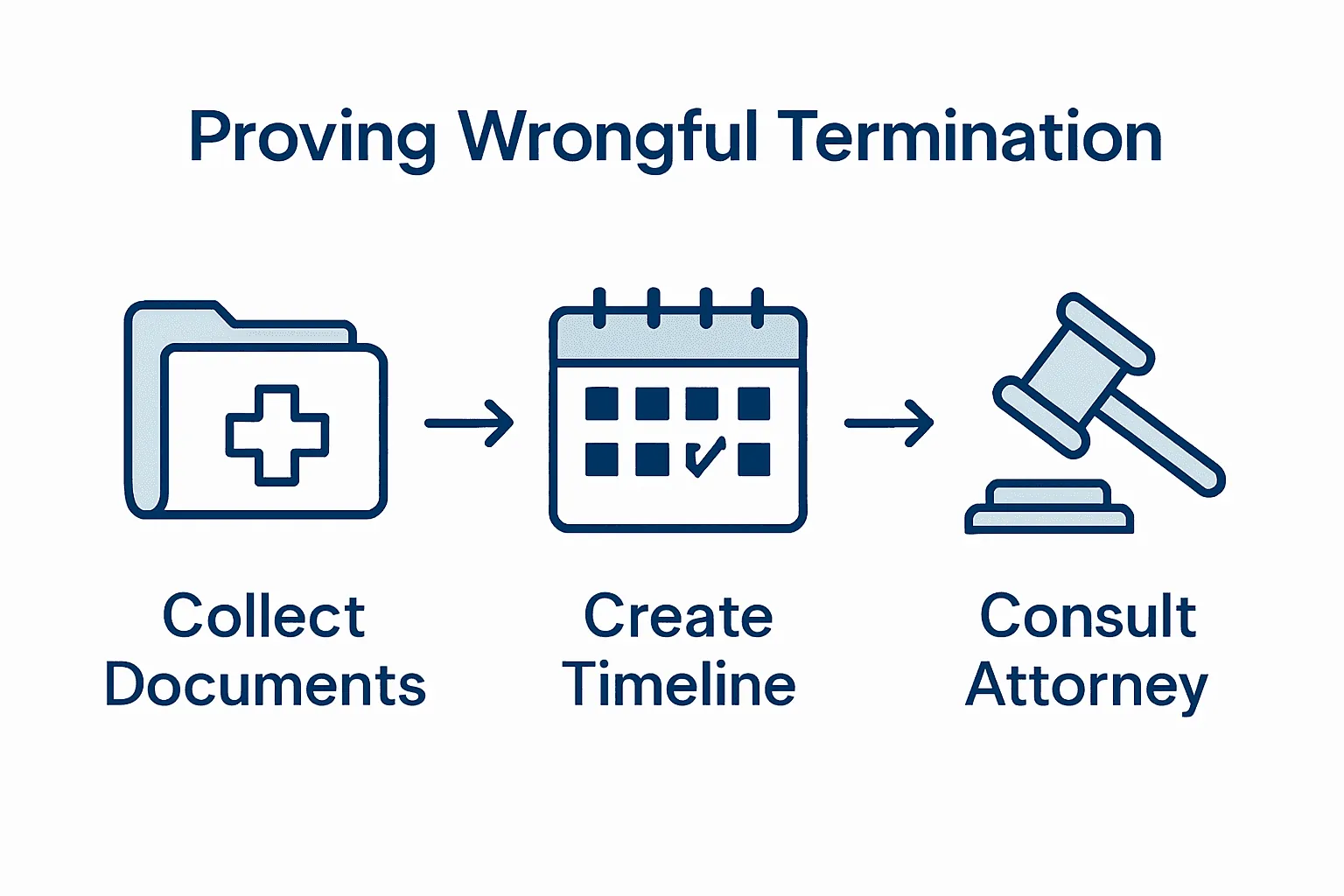
Proving wrongful termination requires strategic documentation and a comprehensive understanding of legal standards. Legal cases involving Providence Health & Services demonstrate that successful claims depend on substantive evidence showing discriminatory or retaliatory employment practices. Employees must meticulously collect and organize documentation that demonstrates the true motivations behind their termination.

Evidence collection involves gathering multiple types of documentation, including performance reviews, email communications, witness statements, and records of workplace interactions. Key evidence may include performance records showing consistent positive evaluations immediately preceding termination, communications that suggest discriminatory intent, and documentation of protected activities such as reporting safety concerns or requesting workplace accommodations. Organizational restructuring contexts make it crucial to distinguish between legitimate workforce reductions and potentially illegal employment practices.
Successful wrongful termination claims typically require proving that the termination violated public policy, breached an employment contract, or resulted from discriminatory practices. This means documenting a clear connection between a protected characteristic or activity and the employment action. Employees should focus on collecting objective evidence that demonstrates a causal relationship between their protected status or actions and the termination, such as temporal proximity between reporting misconduct and being fired, inconsistent explanations for termination, or patterns of discriminatory treatment.
Pro Tip – Evidence Preservation: Create a secure, digital archive of all employment-related documents, including screenshots of digital communications, copies of performance reviews, and detailed timelines of workplace events. Store these materials in a location separate from your work computer to ensure they remain accessible.
Steps to Take if You Suspect Unlawful Firing
When faced with a potentially unlawful termination, immediate and strategic action becomes critical for protecting your legal rights. Legal precedents from Providence Health & Services cases demonstrate the importance of documenting and responding quickly to potential employment rights violations. The first step is to carefully collect and preserve all relevant employment documentation, including performance reviews, communication records, and any evidence suggesting discriminatory intent.
Critical initial actions include consulting with an employment law attorney who specializes in wrongful termination cases. An experienced lawyer can help evaluate the strength of your potential claim, guide you through potential legal strategies, and help you understand the specific protections available under federal and state employment laws. Collective legal actions have proven particularly effective in holding employers accountable for systemic workplace violations, suggesting the power of coordinated legal approaches.
Employees suspecting unlawful termination should also file formal complaints with appropriate government agencies, such as the Equal Employment Opportunity Commission (EEOC) or state labor boards. These agencies can investigate potential workplace violations and provide additional avenues for seeking justice. Be prepared to provide detailed documentation of the circumstances surrounding your termination, including any evidence of discriminatory treatment, retaliation, or violations of public policy. Timing is crucial, as many legal claims have strict filing deadlines that can limit your ability to seek recourse if not pursued promptly.
Pro Tip – Legal Consultation: Schedule a comprehensive initial consultation with an employment law attorney within 30 days of your termination. Many attorneys offer free or low-cost initial consultations that can help you understand your legal options and potential next steps.
Take Control After Wrongful Termination Amid Hospital Layoffs
Facing wrongful termination after Providence Hospital layoffs can feel overwhelming and uncertain. If you suspect your dismissal was due to retaliation, discrimination, or a violation of your rights during restructuring, it is critical to act quickly to protect your future. Understanding terms like “wrongful termination” and “retaliation” is just the first step toward securing justice and rightful compensation.
At Serendib Law Firm, our dedicated Orange County employment law attorneys specialize in challenging unlawful workplace actions. We stand ready to help you gather essential evidence, navigate complex legal protections, and fight for your rights under federal and state law. Do not wait until it feels too late. Start now by exploring our resources on Retaliation and gaining expert guidance from our experienced team at Serendib Law Firm. Your path to justice begins with a free consultation—contact us today to defend your rights and secure your future.
Frequently Asked Questions
What constitutes wrongful termination in the context of hospital layoffs?
Wrongful termination occurs when an employee is fired for reasons that violate public policy, employment contracts, or anti-discrimination laws, such as dismissals related to whistleblowing or advocacy for patient safety.
What legal protections do employees have against wrongful termination after layoffs?
Employees have protections under federal and state laws that include safeguards against discriminatory practices, rights for reasonable accommodations, and whistleblower protections. They can seek legal recourse for wage and hour violations as well.
How can I prove that my termination was wrongful after layoffs?
To prove wrongful termination, you should document performance reviews, communication records, and any evidence suggesting discriminatory or retaliatory motives behind your termination, such as patterns of treatment or temporal proximity between actions and termination.
What steps should I take if I suspect I have been wrongfully terminated after hospital layoffs?
If you suspect wrongful termination, immediately collect all relevant documentation and consult with an employment law attorney. It’s also important to file formal complaints with agencies like the EEOC to investigate potential violations.