
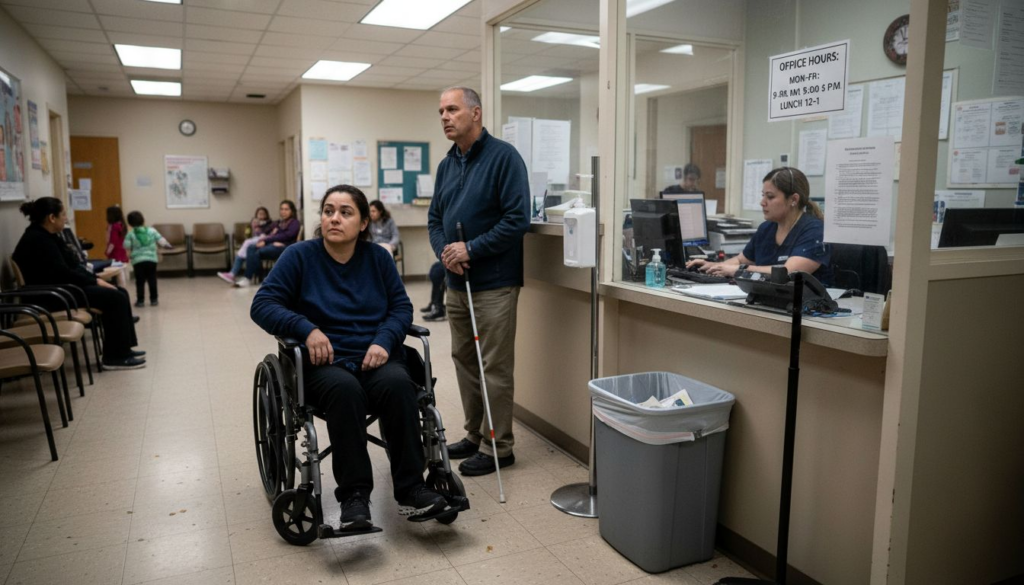
Every year, thousands of American patients with disabilities experience unfair treatment in Fountain Valley medical offices, even after official ADA compliance audits. This form of discrimination undermines the promise of equal care and leaves many feeling isolated in their search for justice. Understanding how legal protections work and knowing the steps to take can empower individuals and advocates to hold healthcare providers accountable and build a safer, more inclusive system.
Table of Contents
- Defining Disability Discrimination Post-ADA Audits
- ADA Compliance Audits In Medical Settings
- Forms Of Discrimination Disabled Patients Face
- Legal Protections And Enforcement Mechanisms
- Patient Rights And Steps For Legal Recourse
Key Takeaways
| Point | Details |
|---|---|
| Understanding Disability Discrimination | Disability discrimination encompasses various forms, including inadequate physical access and biased attitudes affecting patient treatment. |
| Importance of ADA Compliance Audits | ADA compliance audits are essential for identifying barriers in healthcare facilities and ensuring equitable access for individuals with disabilities. |
| Legal Protections for Disabled Patients | The Americans with Disabilities Act and Section 504 of the Rehabilitation Act provide robust frameworks for preventing and addressing discrimination in medical settings. |
| Steps for Legal Recourse | Disabled patients should document discriminatory incidents and explore formal complaint processes or litigation options to challenge unfair treatment. |
Defining Disability Discrimination Post-ADA Audits
Disability discrimination represents a complex legal violation that extends far beyond simple physical barriers. Under the Americans with Disabilities Act (ADA), discrimination occurs when medical offices fail to provide reasonable accommodations or treat individuals differently based on their disability status. The legal framework of disability protections establishes clear standards for identifying and addressing discriminatory practices in healthcare settings.
In Fountain Valley medical offices, disability discrimination can manifest through multiple mechanisms. This might involve refusing appropriate medical services, creating unnecessary obstacles for patient access, failing to provide communication assistance for hearing or visually impaired patients, or demonstrating prejudicial attitudes toward patients with visible or non-visible disabilities. Critically, the ADA defines disability broadly, focusing on whether discriminatory treatment occurred rather than strictly categorizing the nature of an individual’s disability.
The post-ADA audit process specifically examines how medical facilities implement accessibility standards. Auditors evaluate physical infrastructure, communication protocols, staff training, and procedural policies to ensure comprehensive compliance. These assessments go beyond simple checklist requirements, investigating systemic barriers that might prevent individuals with disabilities from receiving equitable medical care. Healthcare providers must demonstrate proactive approaches to accommodation, including modifying standard procedures, providing auxiliary aids, and maintaining an inclusive environment.
Pro tip: If you suspect disability discrimination in a medical setting, document every interaction, communication, and potential barrier systematically to build a strong potential legal case.
ADA Compliance Audits in Medical Settings
ADA compliance audits represent a critical mechanism for ensuring medical facilities provide equitable healthcare access for individuals with disabilities. These comprehensive evaluations systematically examine every aspect of a medical office’s infrastructure, policies, and practices to identify potential barriers or discriminatory practices. Accessibility standards require medical providers to proactively create inclusive environments that accommodate diverse patient needs.
The audit process involves multiple comprehensive assessment stages. Auditors meticulously review physical infrastructure, evaluating elements like wheelchair accessibility, examination room configurations, communication assistance technologies, and signage clarity. They also scrutinize procedural protocols, staff training programs, and communication practices to ensure comprehensive disability accommodation. Key focus areas include examining patient intake procedures, communication methods for hearing or visually impaired patients, and organizational policies regarding reasonable modifications.
In Fountain Valley medical settings, these audits go beyond mere checklist compliance. Auditors investigate systemic barriers that might subtly prevent individuals with disabilities from receiving equitable medical care. This includes analyzing staff attitudes, communication strategies, and potential unconscious biases that could impact patient treatment. Medical offices must demonstrate not just physical accessibility, but a holistic commitment to creating welcoming, supportive environments that respect patient dignity and individual needs.
Pro tip: Request a detailed accessibility report from your medical provider to understand their specific ADA compliance strategies and identify potential areas of improvement.
Here’s a comparison of common ADA compliance audit focus areas and their impact on disabled patients:
| Audit Focus Area | Description | Impact on Disabled Patients |
|---|---|---|
| Physical Accessibility | Entryways, exam rooms, equipment access | Enables safe, independent access |
| Communication Protocols | Interpreter availability, signage, formats | Enhances understanding of care |
| Staff Training | Disability awareness and sensitivity | Reduces bias, improves interaction |
| Policy & Procedures | Intake, accommodations, modifications | Ensures fair treatment for all |
Forms of Discrimination Disabled Patients Face
Disabled patients in Fountain Valley medical settings encounter multiple complex forms of discrimination that extend far beyond physical barriers. Healthcare disparities impact patient experiences through systematic obstacles that compromise medical treatment quality and patient dignity. These discriminatory practices manifest through physical, communication, and attitudinal barriers that systematically undermine equitable healthcare access.
Physical discrimination often involves inadequate medical infrastructure and equipment. This includes examination tables that cannot accommodate wheelchair users, diagnostic equipment without adjustable heights, narrow doorways preventing mobility device access, and examination rooms lacking appropriate spatial configurations for patients with different physical abilities. Communication barriers represent another critical form of discrimination, where medical providers fail to offer sign language interpreters, provide written materials in accessible formats, or demonstrate patience in communicating with patients who have speech or cognitive disabilities.
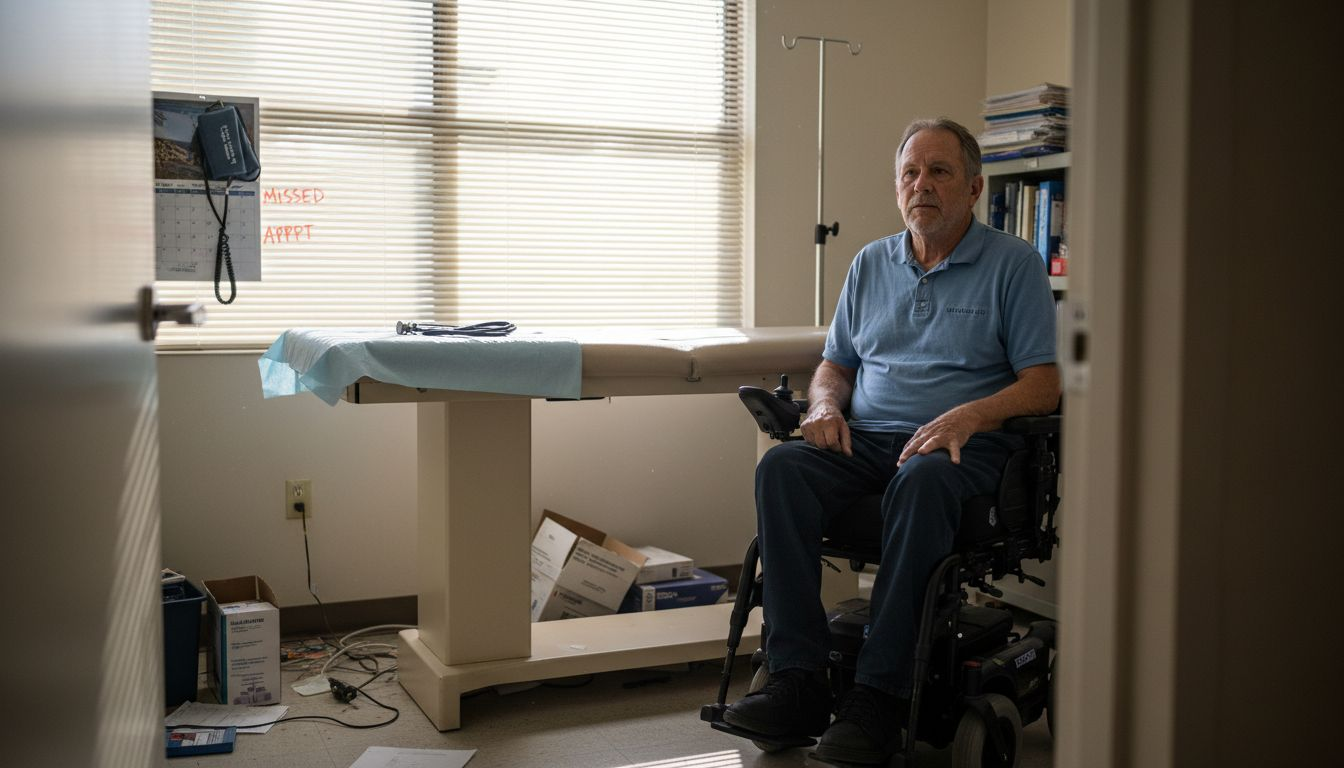
Perhaps most insidious are the attitudinal forms of discrimination, where healthcare professionals demonstrate implicit bias, minimize patient experiences, or display condescending behaviors toward individuals with disabilities. These subtle yet profound discriminatory practices can lead to reduced quality of care, incomplete medical histories, and potential misdiagnosis. Patients might experience rushed consultations, dismissive responses to their specific health concerns, or healthcare providers making assumptions about their capabilities based on visible or non-visible disabilities.
Pro tip: Document every instance of discriminatory treatment and request detailed medical records to build a comprehensive account of potential disability discrimination.
This summary highlights different forms of discrimination and their consequences in medical settings:
| Discrimination Type | Example Scenario | Consequence for Patient |
|---|---|---|
| Physical Barriers | Inaccessible exam tables | Missed or incomplete exams |
| Communication Barriers | No sign language interpreter | Misunderstood health needs |
| Attitudinal Bias | Dismissive provider behavior | Reduced trust, poorer outcomes |
| Systemic Obstacles | Non-inclusive organizational policy | Long-term disparities in care |
Legal Protections and Enforcement Mechanisms
Disabled patients in Fountain Valley are safeguarded by comprehensive federal disability discrimination laws that establish clear legal protections in medical settings. The Americans with Disabilities Act (ADA) and Section 504 of the Rehabilitation Act provide robust frameworks for preventing discriminatory practices, mandating that medical offices provide reasonable accommodations and ensure equal access to healthcare services.
Enforcement mechanisms involve multiple federal agencies with distinct investigative and remedial powers. The U.S. Equal Employment Opportunity Commission (EEOC), Department of Justice (DOJ), and Department of Health and Human Services (HHS) conduct comprehensive compliance reviews, investigate individual complaints, and can initiate legal proceedings against medical facilities that violate disability rights. These agencies have the authority to mandate corrective action plans, impose financial penalties, and potentially revoke medical licenses for persistent or egregious discriminatory practices.
Legal recourse for disabled patients includes filing formal complaints with federal agencies, pursuing administrative hearings, and initiating civil lawsuits seeking damages and injunctive relief. Potential remedies range from monetary compensation and mandatory staff training to structural modifications of medical facilities. The legal system recognizes both intentional discrimination and systemic barriers that effectively deny equal healthcare access, providing multiple avenues for challenging discriminatory practices in medical offices.
Pro tip: Preserve all documentation, medical records, and communication evidence when experiencing potential disability discrimination to strengthen your legal case.
Patient Rights and Steps for Legal Recourse
Disabled patients in Fountain Valley have robust legal protections and multiple avenues for addressing discrimination in medical settings. Patient complaint processes provide structured mechanisms for challenging unfair treatment and seeking meaningful resolution. Understanding these rights is crucial for individuals experiencing disability-related barriers in healthcare access.
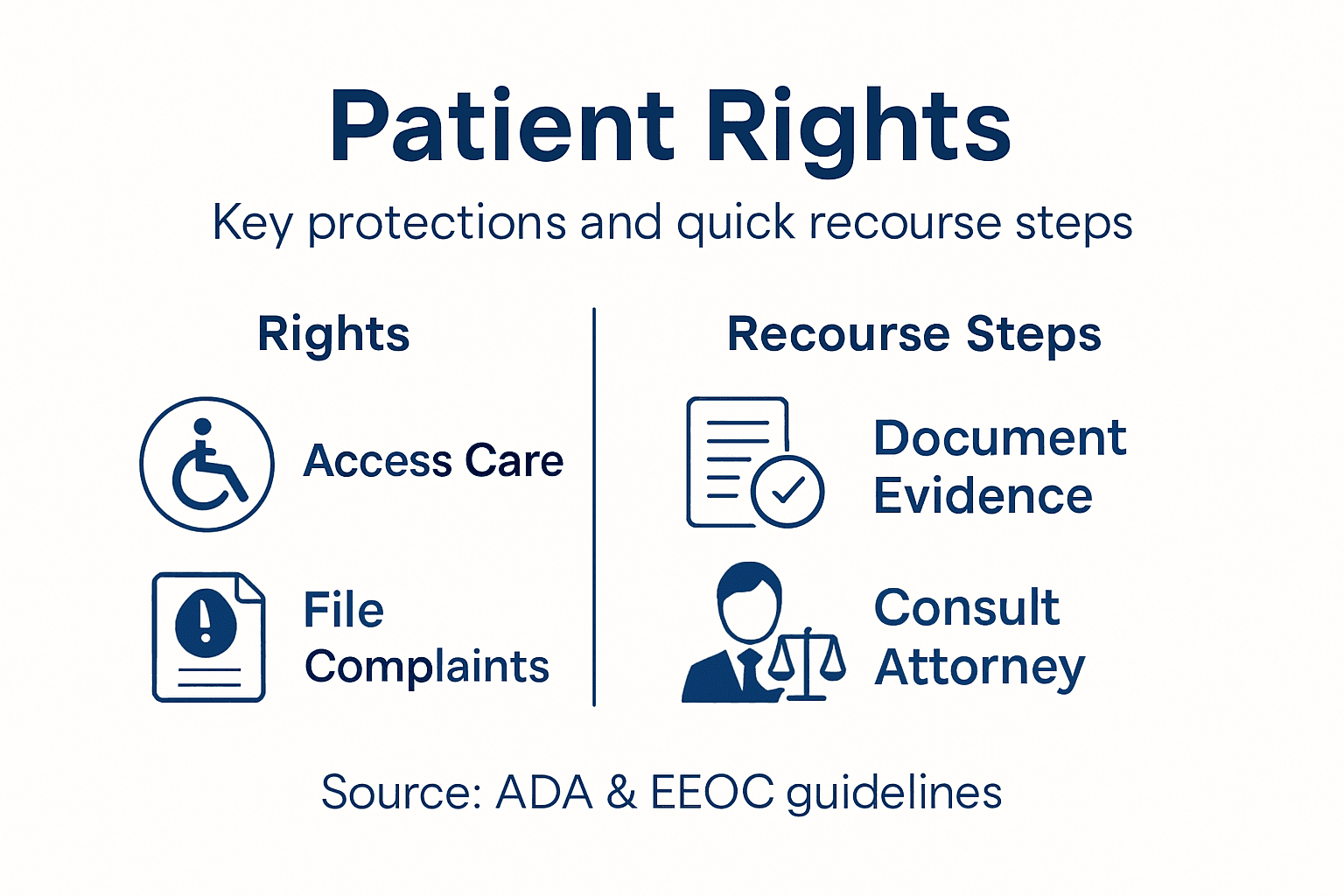
The legal recourse journey typically begins with comprehensive documentation of discriminatory incidents. Patients should meticulously record specific details including dates, healthcare provider names, witnessed interactions, and tangible evidence of unequal treatment. Formal complaint options include filing with federal agencies like the Office for Civil Rights (OCR), Department of Justice (DOJ), or the U.S. Equal Employment Opportunity Commission (EEOC). Each agency offers distinct investigation and enforcement protocols, allowing patients multiple strategic approaches to address systemic discrimination.
Beyond administrative complaints, disabled patients can pursue civil litigation to challenge discriminatory practices. Legal actions may seek various remedies including monetary damages, mandatory staff training, facility modifications, and injunctive relief compelling medical offices to implement comprehensive accessibility improvements. The Americans with Disabilities Act provides a powerful legal framework that empowers patients to challenge not just intentional discrimination, but also systemic barriers that effectively deny equal healthcare access.
Pro tip: Consult with a disability discrimination attorney before filing formal complaints to understand the most strategic approach for your specific circumstances.
Protect Your Rights Against Disability Discrimination in Fountain Valley Medical Offices
Facing disability discrimination in medical settings can be overwhelming and deeply unfair. From inaccessible facilities to dismissive attitudes, these barriers undermine your right to equal healthcare access. This article highlights how the Americans with Disabilities Act requires medical offices to provide reasonable accommodations and maintain inclusive practices. If you are experiencing unfair treatment or systemic obstacles, you are not alone.
At Serendib Law Firm, we understand the challenges involved in fighting disability discrimination. Our dedicated team advocates fiercely for disabled individuals in Fountain Valley and throughout Orange County. We focus on securing your legal protections, addressing physical accessibility issues, and challenging inappropriate conduct by medical providers. Learn more about our work supporting disability rights through our Disability Accommodation Archives and explore local cases via the Fountain Valley Archives.
Don’t wait to defend your health and dignity. Reach out now to schedule your free consultation and start building a strong legal strategy that ensures you receive the respect and care you deserve. Visit Serendib Law Firm today and take the first step toward justice.
Frequently Asked Questions
What is considered disability discrimination in medical settings?
Disability discrimination in medical settings occurs when healthcare providers fail to offer reasonable accommodations or treat individuals differently due to their disability status, violating the Americans with Disabilities Act (ADA).
How can I identify if a medical office is compliant with ADA regulations?
You can identify ADA compliance in a medical office by assessing its physical accessibility features, communication protocols, staff training programs, and organizational policies regarding patient accommodations.
What steps should I take if I experience disability discrimination in a medical office?
If you experience disability discrimination, document every interaction and barrier faced. You can file a complaint with federal agencies or consider legal action, depending on your situation and the nature of the discrimination.
What rights do disabled patients have in medical settings?
Disabled patients have the right to receive equal access to healthcare services, reasonable accommodations, and to challenge unfair treatment through formal complaints or legal action under the ADA and other federal laws.
Recommended
- Experienced Fountain Valley Workplace Discrimination Lawyers
- Workplace Disability Discrimination- Common Violations by Employers | Serendib Law Firm
- Workplace Disability Discrimination- Common Violations by Employers | Serendib Law Firm
- Workplace Disability Discrimination- Common Violations by Employers | Serendib Law Firm