
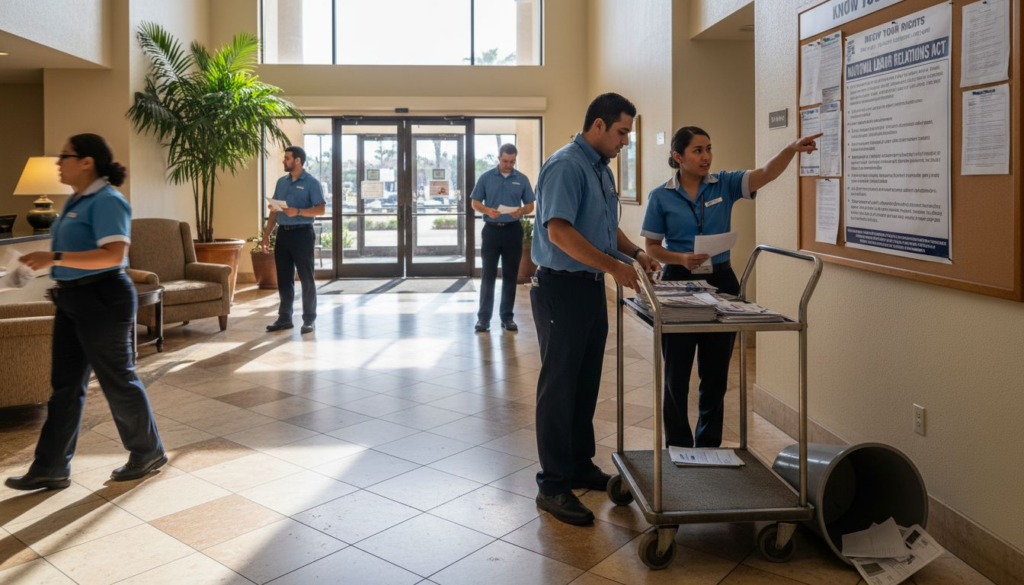
More than 40 percent of American hospitality workers report facing some form of employer retaliation tied to union activities. Anaheim employees know that even subtle changes in work schedules or sudden write-ups can leave you feeling isolated and vulnerable. Understanding your workplace rights matters now more than ever, and this guide spotlights crucial protections, practical legal strategies, and steps to safeguard yourself from unfair treatment.
Table of Contents
- Union Activity And Employer Retaliation
- Forms Of Retaliation In Hospitality Jobs
- Legal Protections For Anaheim Workers
- Recognizing And Documenting Retaliation
- Reporting Violations And Seeking Remedies
Key Takeaways
| Point | Details |
|---|---|
| Union Activity is Met with Retaliation | Employers often employ tactics to discourage unionization, including intimidation and punitive measures. |
| Legal Protections are Essential | The National Labor Relations Act protects workers from retaliation during union activities, providing avenues for legal recourse. |
| Documentation is Crucial | Workers should meticulously document any retaliatory actions or changes in work conditions to support their claims. |
| Report Violations Promptly | Filing complaints with the National Labor Relations Board is a critical step for workers facing retaliation to secure protections and remedies. |
Union Activity and Employer Retaliation
Union activity in Anaheim hotels represents a critical intersection of worker rights and employer responses, where legal protections are often challenged through subtle and direct retaliatory tactics. Workplace retaliation patterns demonstrate that employers frequently attempt to discourage unionization through intimidation and punitive actions.
In the hospitality sector, employers may engage in various retaliatory behaviors designed to suppress union organizing efforts. These tactics can include disciplinary write-ups, reduced work hours, unfavorable shift assignments, public criticism, and in extreme cases, termination. Union management relations reveal a persistent pattern of employer pushback against workers seeking collective representation, often manifesting through strategic workplace actions intended to undermine union solidarity.
Legal protections exist to safeguard workers from such retaliatory practices. The National Labor Relations Act (NLRA) explicitly prohibits employers from taking adverse actions against employees engaged in protected union activities. Workers who experience retaliation have legal recourse through filing complaints with the National Labor Relations Board (NLRB), which can investigate and potentially compel employers to cease discriminatory behaviors and provide remedies such as reinstatement and back pay.
Pro Tip: Document every interaction and potential retaliatory action meticulously, including dates, witnesses, and specific details, as these records can become crucial evidence in protecting your workplace rights.
Forms of Retaliation in Hospitality Jobs
Hospitality workers face a complex landscape of potential retaliatory actions designed to discourage union organizing and suppress worker advocacy. Employer retaliation tactics reveal a systematic approach to undermining employee collective action through multiple strategic interventions.
These retaliatory methods often include direct workplace punishments such as wrongful termination, targeted disciplinary actions, and strategic manipulation of work schedules. Employers might reduce work hours, assign less desirable shifts, deny overtime opportunities, or create hostile work environments intended to discourage union participation. Subtle forms of retaliation can also involve public criticism, performance evaluations manipulated to appear negative, or intentional exclusion from workplace opportunities and advancement tracks.
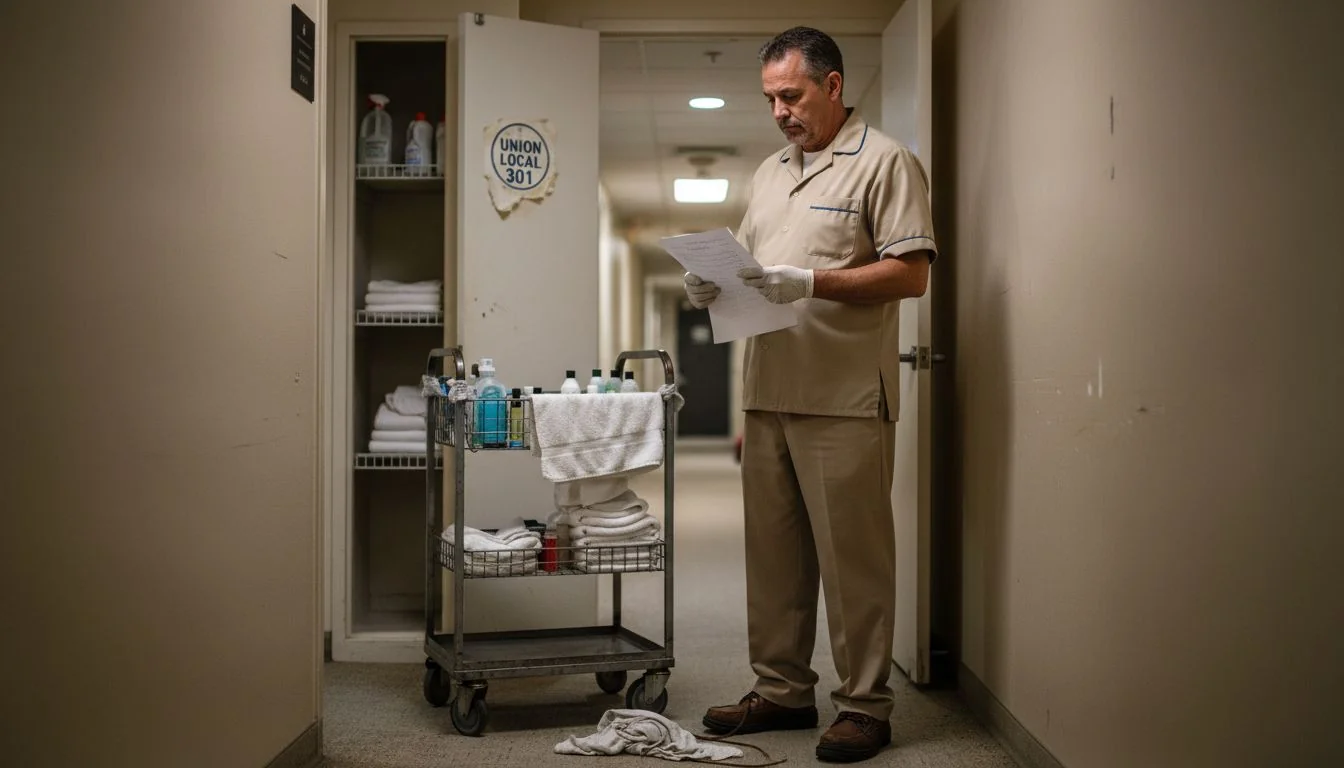
Moreover, some hospitality employers deploy more aggressive tactics like mandatory anti-union meetings, spreading disinformation about unionization risks, and creating an atmosphere of intimidation. These actions directly challenge worker protections under the National Labor Relations Act, which explicitly prohibits employers from interfering with employees’ rights to organize, collectively bargain, and engage in protected concerted activities. Workers experiencing such treatment have legal recourse through filing complaints with the National Labor Relations Board, which can investigate and potentially mandate corrective actions.
Here’s how common forms of workplace retaliation differ in their immediate impact and legal risks:
| Retaliation Method | Employee Impact | Legal Risk for Employer |
|---|---|---|
| Disciplinary Write-ups | Damages reputation | High risk, often well-documented |
| Schedule Manipulation | Reduces income, morale | Moderate, patterns can be proven |
| Public Criticism | Publicly undermines confidence | Moderate, depends on severity |
| Mandatory Anti-union Meetings | Pressures employees to conform | High, may violate NLRA |
| Wrongful Termination | Loss of employment and benefits | Severe, most enforceable claim |
Pro Tip: Maintain a detailed, confidential log of every incident of potential retaliation, including dates, specific actions, witnesses, and any communication, which can serve as critical evidence if legal action becomes necessary.
Legal Protections for Anaheim Workers
Hospitality workers in Anaheim have significant legal protections against workplace retaliation, particularly when engaging in union organizing activities. Labor law protections clearly establish robust safeguards that prevent employers from taking punitive actions against employees who exercise their fundamental workplace rights.
The National Labor Relations Act (NLRA) provides comprehensive legal shields for workers, explicitly prohibiting employers from retaliating through termination, demotion, hour reduction, or creating hostile work environments. Workers cannot be legally punished for participating in union activities, discussing workplace conditions, filing grievances, or attempting to collectively negotiate better working terms. These protections extend to all hospitality workers, regardless of whether a union has been officially formed, ensuring that preliminary organizing efforts are legally defended.
Under these legal frameworks, workers who experience retaliation have multiple avenues for recourse. The National Labor Relations Board (NLRB) offers a structured complaint process where employees can file charges against employers who violate their rights. If proven, workers may receive remedies including reinstatement, back pay, and mandated changes in employer behavior. Additionally, state-level employment laws in California provide supplementary protections that can offer additional legal strategies for workers facing discriminatory treatment.
Pro Tip: Always document potential retaliatory actions in writing, including dates, specific incidents, and any witnesses, which can provide crucial evidence if you need to file a formal complaint.
Recognizing and Documenting Retaliation
Identifying workplace retaliation requires a keen understanding of subtle and overt tactics employers might use to discourage union organizing. Documenting retaliatory behaviors involves systematically tracking any adverse changes in work conditions that appear to be connected to union activities or worker advocacy.
Retaliation can manifest through various workplace actions that might seem innocuous but are strategically designed to intimidate or punish workers. These can include unexpected performance reviews, sudden schedule changes, reduced work hours, denial of overtime opportunities, assignment to less desirable tasks, public criticism, or exclusion from workplace opportunities. Hospitality workers should be especially vigilant about patterns of behavior that suggest deliberate efforts to undermine their workplace standing after engaging in protected union activities.
Effective documentation is crucial in building a legal case against employer retaliation. Workers should maintain a comprehensive, dated record of all potentially retaliatory incidents, including specific details such as the date, time, location, individuals involved, and any witnesses. This documentation should include copies of communication, performance reviews, scheduling records, and any other relevant evidence that demonstrates a pattern of discriminatory treatment. Contemporaneous notes made close to the time of the incident carry significant weight in legal proceedings and can provide critical support for complaints filed with the National Labor Relations Board.
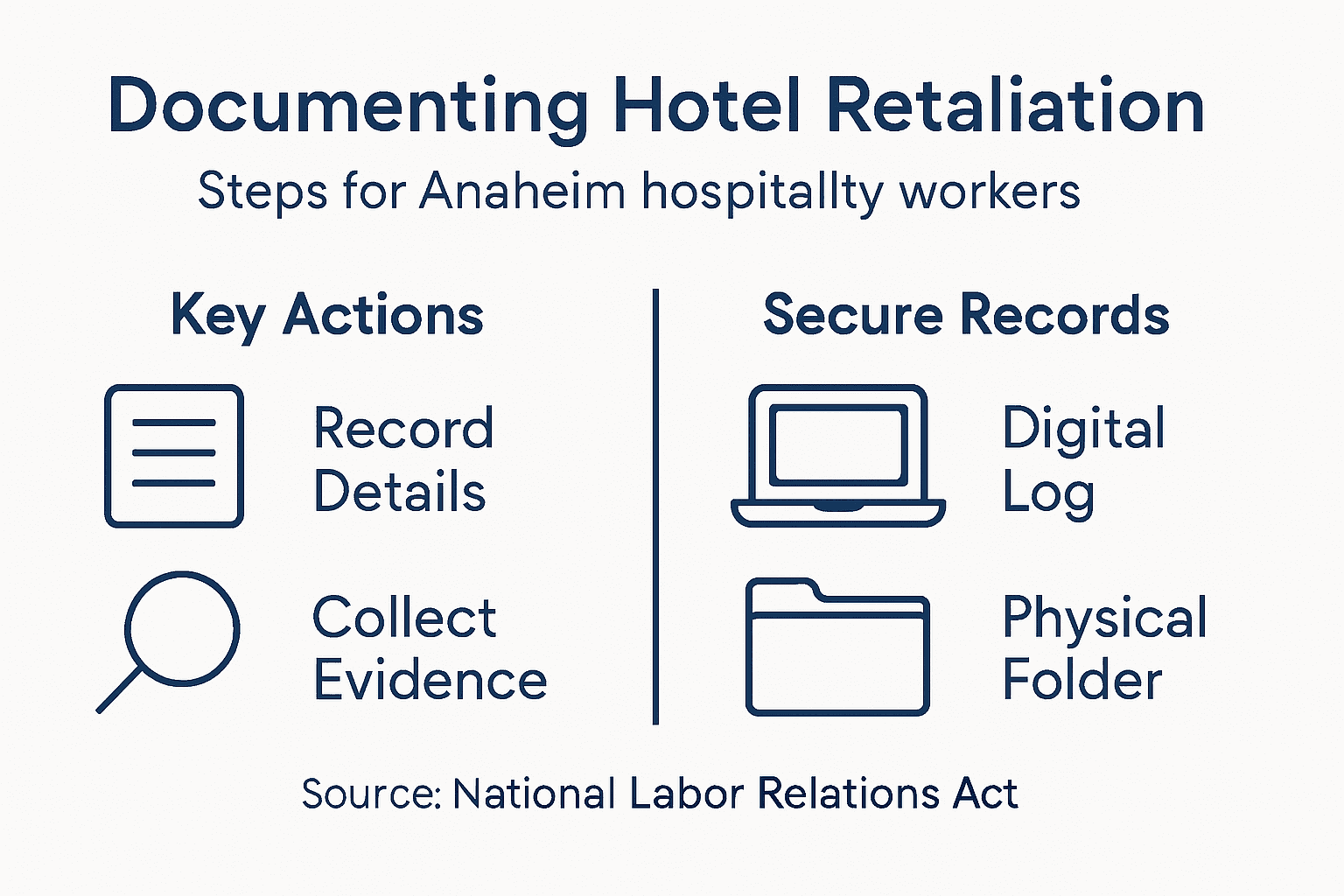
Pro Tip: Create a secure, confidential digital or physical folder where you can systematically store all documentation related to potential workplace retaliation, ensuring you have a comprehensive record that can be easily accessed if legal action becomes necessary.
Reporting Violations and Seeking Remedies
Hospitality workers in Anaheim facing union-related retaliation have multiple legal channels to report and address workplace violations. Filing unfair labor practice charges with the National Labor Relations Board (NLRB) represents a critical first step in challenging discriminatory employer actions and securing worker protections.
The complaint process involves documenting specific instances of retaliation and submitting a detailed charge to the NLRB regional office. Workers must provide comprehensive evidence demonstrating how employers have interfered with, restrained, or coerced employees attempting to exercise their collective bargaining rights. The NLRB investigates these claims thoroughly, potentially conducting interviews, reviewing documentation, and determining whether sufficient evidence exists to pursue legal action against the employer.
Potential remedies for workers who successfully prove retaliation can be significant. These may include reinstatement to their previous position, back pay with interest, removal of negative disciplinary records, and mandated public postings by employers acknowledging their illegal actions. In some cases, the NLRB can also require employers to provide additional training to management about worker rights or implement comprehensive changes to prevent future violations. Workers should understand that these protections extend beyond union formation, covering preliminary organizing efforts and discussions about workplace conditions.
Below is a summary of legal remedies available to Anaheim hospitality workers who face retaliation:
| Remedy Type | Purpose | Typical Outcome |
|---|---|---|
| Reinstatement | Restore lost job after unfair dismissal | Return to previous position |
| Back Pay | Compensate for lost wages | Monetary reimbursement |
| Removal of Discipline | Clear negative records | Clean work history |
| Mandatory Training | Prevent future violations | Management education required |
| Policy Changes | Improve workplace protections | Safer environment for workers |
Pro Tip: Maintain a detailed, chronological log of all potentially retaliatory incidents, including specific dates, witnesses, and documentary evidence, which can significantly strengthen your legal complaint and increase the likelihood of a successful resolution.
Protect Your Rights Against Retaliation in Anaheim Hotels
Facing retaliation while engaging in union activity can feel overwhelming and unfair. Many hospitality workers encounter issues like wrongful termination, schedule manipulations, and hostile work environments designed to discourage their efforts to organize. Understanding your legal protections under the National Labor Relations Act (NLRA) is the first step toward regaining control and standing up for your workplace rights.
At Serendib Law Firm, we specialize in helping Anaheim employees navigate complex retaliation claims with personalized, compassionate support. Whether you are experiencing disciplinary actions or subtle forms of workplace intimidation, our experienced team can guide you through the complaint process and fight for remedies like reinstatement and back pay. Learn more about your options by visiting our Retaliation Archives | Serendib Law Firm and see how we have assisted others in Anaheim through Anaheim Archives | Serendib Law Firm.
Do not wait for retaliation to worsen. Take action today by reaching out for a free consultation at Serendib Law Firm. Protect your future and hold employers accountable with skilled legal advocacy on your side.
Frequently Asked Questions
What constitutes workplace retaliation in the context of union activities?
Workplace retaliation may include adverse actions such as wrongful termination, disciplinary write-ups, schedule manipulation, public criticism, and creating a hostile work environment targeted at employees participating in union activities.
What protections do workers have against retaliation for union organizing?
Workers are protected under the National Labor Relations Act (NLRA), which prohibits employers from retaliating against employees for engaging in union activities, discussing workplace conditions, or filing grievances.
How can workers document potential retaliation effectively?
Workers should maintain a detailed and dated record of any incidents of potential retaliation, noting specific actions, dates, times, locations, individuals involved, and any witnesses, which will support any future legal complaints.
What steps should workers take if they experience retaliation related to union activities?
Workers should file a complaint with the National Labor Relations Board (NLRB) detailing specific instances of retaliation. This can lead to an investigation and potential remedies such as reinstatement or back pay if the retaliation is substantiated.
Recommended
- Experienced Anaheim Workplace Retaliation Lawyers
- Disneyland Union Contract Talks—Protections for Cast Members | Serendib Law Firm
- AB 1512’s Impact on Anaheim Security Officers | Serendib Law Firm
- Anaheim Unionization: Disneyland Performers and Labor Law | Serendib Law Firm
- Hotel Linen Standard Sizes: Ensuring Perfect Guest Fit – Lotus Linen