
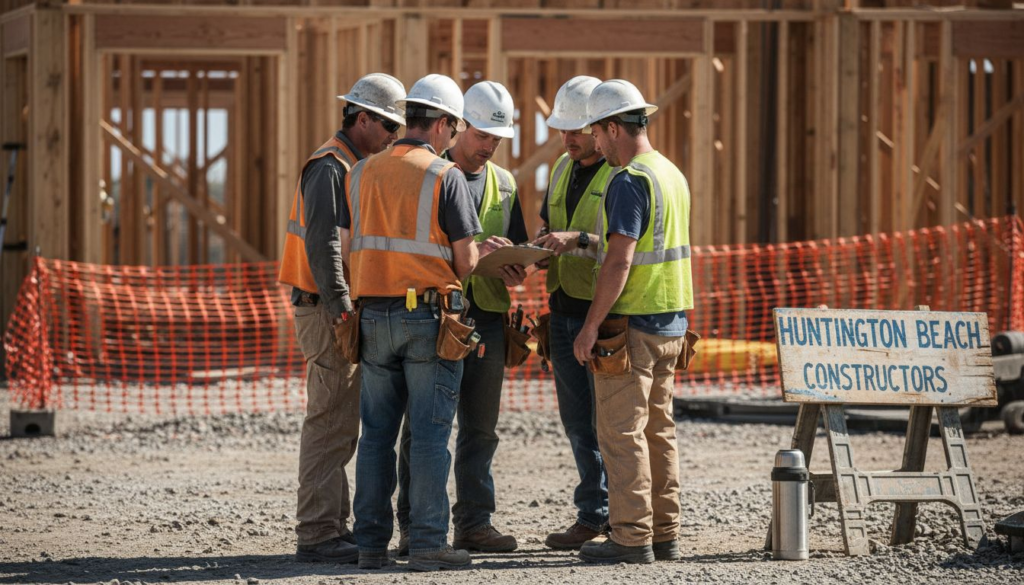
Reporting dangerous conditions on a job site can feel risky when you work construction in Huntington Beach. Many workers worry their boss might cut hours, move them to worse projects, or start harassing them after a safety complaint. California law gives you strong rights and protection against retaliation, and understanding these protections is your best defense. This guide explains how to recognize what counts as a safety complaint, why documenting action matters, and how the law shields you if your employer targets you for speaking up.
Table of Contents
- Recognizing Safety Complaints on Construction Sites
- Types of Retaliation Workers May Face
- California Laws Protecting Construction Workers
- How to Report Violations Safely
- Steps to Take if Retaliated Against
Key Takeaways
| Point | Details |
|---|---|
| Recognize Safety Hazards | Understand common safety violations, such as fall hazards and electrocution risks, to effectively protect yourself and coworkers. |
| Report Unsafe Conditions | You have the legal right to report unsafe conditions without fear of retaliation, contributing to a safer work environment. |
| Document Retaliation | Keep detailed records of any retaliatory actions you experience after reporting safety issues to strengthen your case against your employer. |
| Know Your Legal Protections | Familiarize yourself with California laws that protect you from retaliation for reporting safety violations, enhancing your ability to advocate for yourself. |
Recognizing Safety Complaints on Construction Sites
A safety complaint on a construction site is any report about unsafe or unhealthy working conditions that could harm you or your coworkers. This might sound straightforward, but many construction workers in Huntington Beach don’t fully understand what counts as a legitimate safety complaint or how to identify hazardous situations that warrant reporting. The ability to recognize these issues is your first line of defense against injury, and it’s protected under California law.
Common safety violations on construction sites fall into several categories. Fall hazards top the list, including missing guardrails, broken scaffolding, or inadequate fall protection equipment. Struck-by hazards occur when workers are hit by falling objects, equipment, or vehicles because proper barriers and spotters aren’t in place. Electrocution risks emerge from exposed wiring, damaged electrical tools, or improper grounding. You should also watch for hazardous materials that lack proper labeling or containment, faulty or improperly maintained equipment, inadequate personal protective equipment (PPE), and unsafe working conditions like poor ventilation or unstable surfaces. Reporting unsafe conditions to appropriate authorities is your right as a worker, and employers cannot legally punish you for doing so.
Regular inspections are the backbone of identifying hazards before they cause injuries. These walkarounds involve systematically examining the site for problems, checking equipment and scaffolding, and documenting any issues. When you participate in these inspections or conduct your own informal checks, you’re building the foundation for workplace safety. Many construction workers discover hazards through daily observation, conversations with coworkers, or noticing that equipment doesn’t work the way it should. That gut feeling that something isn’t right? Trust it. If you’re working on a project and something looks wrong, missing guardrails, frayed electrical cords, or an unstable ladder all qualify as legitimate safety concerns worth reporting.
What’s critical to understand is that filing a complaint doesn’t require perfect evidence or a formal investigation first. Your job is to identify and report. OSHA and California labor agencies handle the verification and enforcement. You can file complaints confidentially and in any language, which protects your identity if you’re worried about retaliation. As a construction worker, you have the power to stop dangerous situations before someone gets hurt, and the law stands behind that right.
Pro tip: Document hazards you observe by taking dated photos, writing down details about what’s wrong and where it’s located, and noting which coworkers have witnessed the same issues, so you have clear information if you need to file a complaint later.
Here’s a summary of safety complaint types and signs construction workers should watch for:
| Hazard Type | Common Warning Signs | Business Impact |
|---|---|---|
| Fall hazards | Missing guardrails, unstable ladders | Serious injury, liability risks |
| Electrocution risks | Exposed wiring, damaged tools | Downtime, costly medical claims |
| Hazardous materials | Poor labeling, leaks | Regulatory fines, health issues |
| Equipment problems | Faulty operation, no maintenance | Lost productivity, increased accidents |
| Poor ventilation | Unusual smells, lingering dust | Compliance failures, sickness |
Types of Retaliation Workers May Face
Retaliation happens when your employer punishes you for reporting a safety hazard, filing a complaint, or exercising your legal rights on the job. The tricky part is that retaliation doesn’t always look like what you might expect. Most construction workers think retaliation means getting fired on the spot, but that’s rarely how it plays out. Instead, employers often use more subtle tactics that make your work life unbearable or force you to quit. Understanding the different forms retaliation can take is critical because some actions are easier to prove than others, and knowing what counts as illegal retaliation protects your ability to challenge it in court.
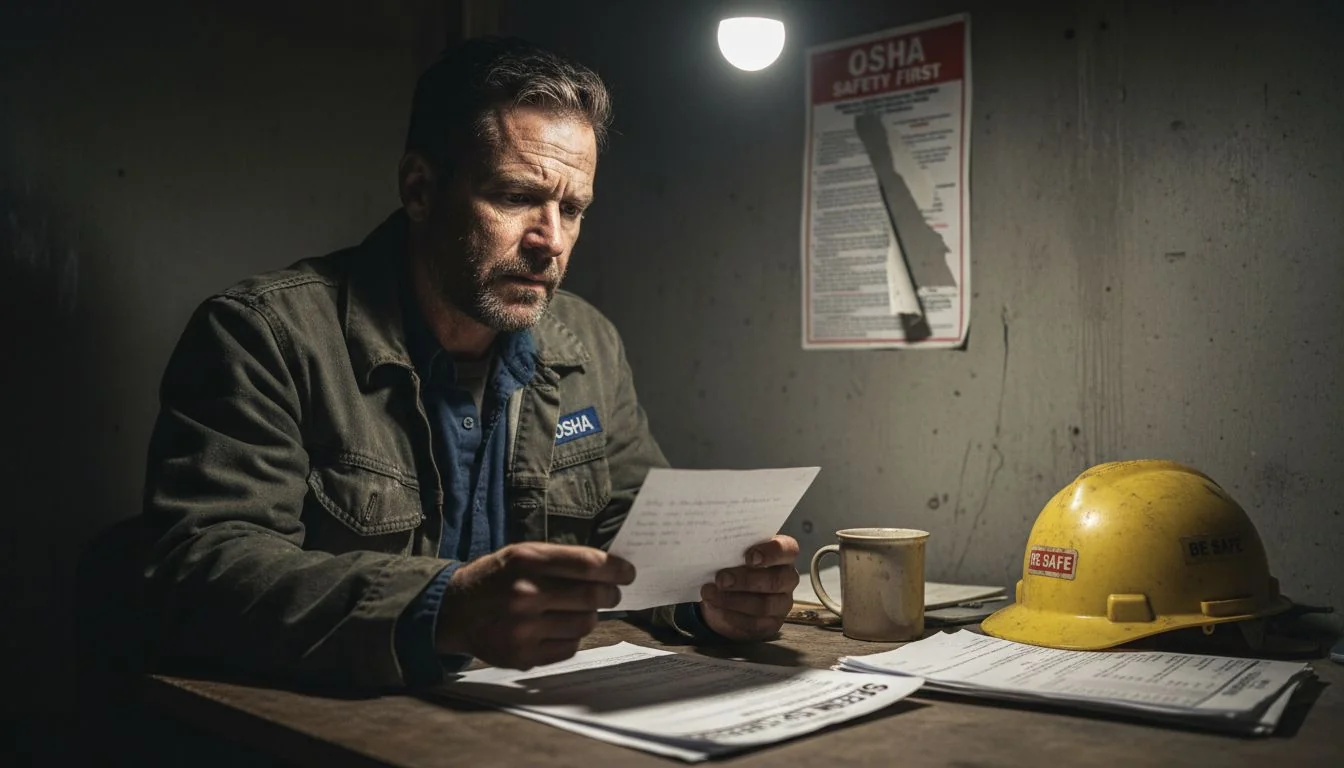
Overt retaliation includes the obvious stuff: termination, demotion, or significant cuts to your hours or pay. But adverse employment actions extend far beyond firing. You might experience reassignment to worse job sites, reduction in responsibilities, denial of promotions or raises you would normally receive, or exclusion from meetings and projects you previously worked on. Some employers create scheduling nightmares, cutting your hours unpredictably or assigning you to undesirable shifts. Others might suddenly increase disciplinary action, write you up for minor infractions that previously went unaddressed, or threaten to report you to immigration authorities if they know you’re undocumented. These actions send a clear message without being explicitly about your safety complaint.
The harder to spot forms of retaliation often involve creating a hostile work environment. This includes ongoing harassment from supervisors or coworkers, public humiliation, being excluded from safety meetings or training opportunities you need for advancement, or being transferred to a different crew or location as punishment. Some employers get creative by assigning you dangerous tasks outside your normal role, removing protective equipment or resources you need, or changing work conditions so dramatically that you’re forced to resign. Even subtle actions count, like suddenly stopping invitations to team events, cutting communication, or treating you differently than other workers who haven’t filed complaints. The pattern matters as much as individual incidents, so documenting everything helps prove that your employer’s actions were motivated by your protected activity rather than legitimate business reasons.
Pro tip: Keep a detailed log with dates, times, witnesses, and descriptions of any negative changes in your treatment immediately after filing a safety complaint, because this documentation becomes crucial evidence if you need to file a retaliation claim.
Here’s how common retaliation tactics compare and their legal significance:
| Retaliation Tactic | How It Manifests | Legal Relevance |
|---|---|---|
| Overt actions | Firing, pay cuts, demotion | Easier to document and prove |
| Subtle exclusion | Project reassignment, shift changes | Requires pattern evidence |
| Hostile environment | Harassment, public shaming | Builds case with thorough records |
| Undermining safety access | Loss of equipment, blocked training | Highlights unsafe conditions |
California Laws Protecting Construction Workers
California has some of the strongest worker protection laws in the country, and as a construction worker in Huntington Beach, you benefit from multiple layers of legal safeguards. Unlike federal OSHA, which sets baseline standards across the country, California’s state agency Cal/OSHA goes further with stricter regulations and more aggressive enforcement. The state also has specific whistleblower protections that make it illegal for your employer to retaliate against you for reporting safety violations. Knowing these laws exist is one thing, but understanding how they actually protect you is what matters when you are facing retaliation.
Cal/OSHA enforces California Code of Regulations Title 8, which contains detailed safety requirements specific to construction work. These regulations cover critical areas like fall protection requirements, scaffolding safety, proper handling of hazardous materials, equipment maintenance, and worker training. Your employer must maintain written safety programs, conduct regular hazard assessments, and provide you with proper safety equipment and training. Cal/OSHA inspectors can show up at job sites and issue citations for violations, with penalties that can reach thousands of dollars per violation. When violations are serious or willful, penalties escalate significantly, giving employers real financial incentive to comply. More importantly for you, when your employer has established written safety programs and hazard communication procedures, you have documentation to reference when filing a complaint.
California Labor Code Section 1102.5 is your primary retaliation protection as a construction worker. This law specifically prohibits employers from retaliating against employees who report safety violations, file complaints with regulatory agencies, or refuse to work in unsafe conditions. The law covers both internal complaints to your supervisor or safety officer and external complaints to Cal/OSHA, the Division of Labor Standards Enforcement, or other government agencies. What makes California’s protection stronger than federal law is that it applies regardless of whether you actually worked in the hazardous condition or witnessed it happening to someone else. You are also protected if you refuse an illegal order, even if refusing means walking off the job. Recent California legislation also expanded workers compensation insurance requirements for construction contractors, which strengthens your protections if you are injured on a job site without proper coverage.
Pro tip: Before reporting a safety violation, request your employer’s written safety program and review it to understand what safety standards they claim to follow, because contradictions between the written program and actual practices strengthen retaliation claims later.
How to Report Violations Safely
Reporting a safety violation takes courage, especially when you worry about losing your job or facing retaliation from your employer. The good news is that California law gives you multiple safe pathways to report hazards, and your identity can be kept confidential throughout the process. You do not have to be a victim of the hazard yourself to file a complaint, you do not need to have documented proof before reporting, and you do not need to go through your employer first. You have the right to report directly to Cal/OSHA, and the state will investigate on your behalf while protecting your anonymity if that is what you choose.
When filing a complaint with Cal/OSHA, start by gathering specific details about the hazard. Write down exactly what you observed, where it is located on the job site, when you saw it, and which workers are affected. Include information about the work being performed when the hazard exists, any injuries or near misses that have occurred, and whether the hazard is ongoing or happened once. The more detailed your complaint, the easier it is for Cal/OSHA investigators to understand the problem and take action. You can file confidential complaints online, by phone, or by email, and Cal/OSHA prioritizes investigations based on how serious and immediate the danger is. You can even request that the state keep your identity confidential, which protects you from retaliation because your employer will not know who filed the complaint.
Consider these practical steps when preparing your report: document hazards with dates and times whenever possible, photograph unsafe conditions if you can do so safely, talk to coworkers who witnessed the same issues and ask if they will support your complaint, and keep copies of any safety violations or unsafe practices you report internally to your supervisor. If your employer has a safety complaint procedure, using it first is good evidence that you tried to resolve things internally, but do not let internal procedures delay you from reporting to Cal/OSHA if the hazard is serious. Request a private meeting with the Cal/OSHA inspector when they arrive to investigate, which gives you a chance to speak openly without your boss overhearing. You also have the right to refuse dangerous work without losing pay if the danger is serious and immediate, though this is a last resort option that requires careful judgment.
Pro tip: Save all communication related to your safety concerns, including emails to supervisors, text messages about hazards, photos of unsafe conditions, and names of coworkers who witnessed issues, because this documentation protects you and strengthens your complaint if your employer retaliates.
Steps to Take if Retaliated Against
If your employer retaliates against you after you report a safety violation, you are not powerless. California law provides specific remedies and pathways to hold your employer accountable, but timing and documentation are critical. The first thing to understand is that retaliation does not have to be immediate or dramatic to count as illegal. A change in your schedule two weeks after filing a complaint, being excluded from projects you normally work on, or suddenly receiving negative performance reviews all constitute potential retaliation. Your job is to recognize it happening, document it, and take action before too much time passes.
Start by creating a detailed written record of every retaliatory action you experience. Include the date, time, location, what happened, who witnessed it, and how it connects to your safety complaint. Keep this record in a safe place outside of work, like a personal email or cloud storage your employer cannot access. Take screenshots of any communications, save copies of emails and text messages, and photograph written documents like disciplinary notices or schedule changes. The stronger your documentation, the easier it is to prove that your employer’s actions were motivated by your protected activity rather than legitimate business reasons. Next, file a retaliation complaint with California’s Labor Commissioner, which is a free process that does not require you to hire an attorney immediately. You do not need to provide your immigration status or Social Security number, which protects undocumented workers from additional risk.
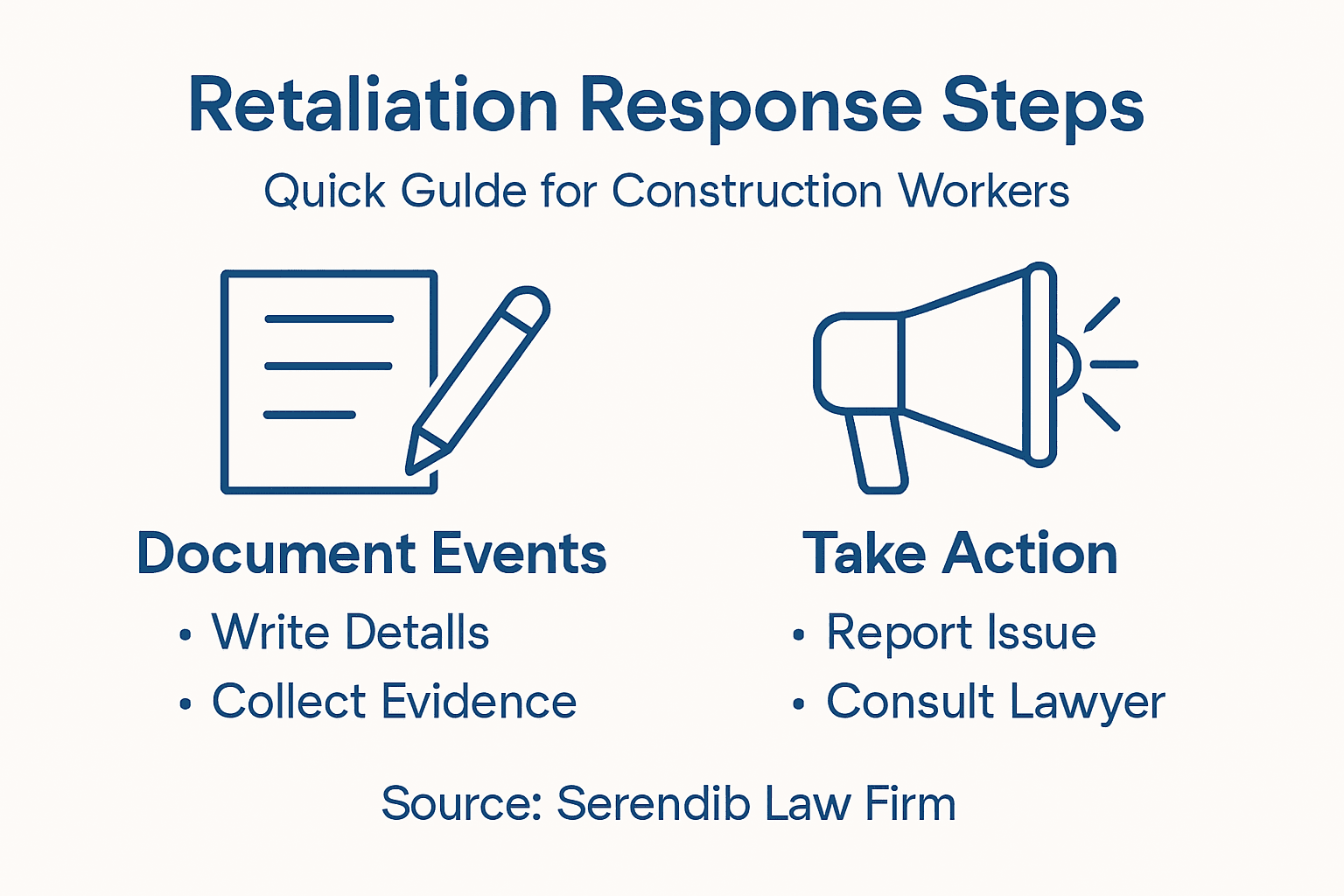
Consider reporting retaliation through multiple channels simultaneously for maximum protection. File with the Labor Commissioner, report the retaliation to Cal/OSHA as a separate violation, and send a written letter to your employer documenting the retaliatory actions and your intent to pursue legal remedies. This creates an official record and puts your employer on notice that you are taking the situation seriously. If you are dealing with serious retaliation like termination or significant pay cuts, consult with an employment attorney who specializes in construction cases. Many attorneys work on contingency, meaning you pay nothing upfront and they collect a fee only if you win. The potential remedies available to you include reinstatement to your job, back pay covering lost wages, penalties your employer must pay to you, and attorney fees. Do not assume you have to accept the retaliation or simply find another job. You have legal rights, and fighting back is worth pursuing.
Pro tip: Contact an employment attorney within days of experiencing retaliation, not months later, because evidence gets weaker over time and some legal deadlines can pass quickly if you are not careful about timing.
Protect Your Rights Against Workplace Safety Violations and Retaliation
If you are a construction worker in Huntington Beach facing unsafe working conditions or experiencing retaliation for speaking up, you are not alone. The challenge of identifying legitimate safety complaints and standing up against subtle or overt retaliation can feel overwhelming. You deserve legal allies who understand California’s robust protections like Labor Code Section 1102.5 and the complexities of workplace retaliation.
At Serendib Law Firm, we are committed to helping you navigate these challenges with personalized and zealous advocacy. Whether you need to report retaliation or seek justice for safety violations, our experienced team provides guidance every step of the way. Learn more about similar cases in the Huntington Beach Archives and explore how we defend workers facing unfair treatment in the Retaliation Archives. Do not wait until the situation worsens. Protect your livelihood by contacting us today at https://www.serendiblaw.com/.
Take control of your safety and rights now with trusted legal support on your side.
Frequently Asked Questions
What constitutes a safety complaint on a construction site?
A safety complaint on a construction site is any report about unsafe or unhealthy working conditions that could harm workers or coworkers, including issues like fall hazards, electrocution risks, hazardous materials, and inadequate personal protective equipment.
How can I report unsafe conditions on a construction site?
You can report unsafe conditions directly to Cal/OSHA without going through your employer first. Complaints can be filed confidentially online, by phone, or by email, and you do not need documented proof before filing a complaint.
What are some signs of retaliation after reporting a safety violation?
Signs of retaliation may include changes in your schedule, exclusion from job assignments, sudden negative performance reviews, or unexpected disciplinary actions following your safety complaint.
How does California law protect workers from retaliation?
California law, specifically Labor Code Section 1102.5, prohibits employers from retaliating against employees who report safety violations or refuse to work in unsafe conditions, providing strong protections for whistleblowers in the workplace.
Recommended
- Retaliation Claims After Construction Safety Reports | Serendib Law Firm
- Retaliation After Reporting Harassment in Santa Ana Offices | Serendib Law Firm
- Experienced Huntington Beach Employment Law Attorneys
- Retaliation Claims in Tustin Warehouses – Protecting Workers After OSHA Complaints | Serendib Law Firm
- Understanding the Dangers of Federal Pacific Stab-Lok Electrical Panels