

Did you know 28% of break complaints in California come from amusement and recreation workers? Many Knott’s Berry Farm employees face unpaid or interrupted meal and rest breaks without realizing they hold powerful legal rights. California law protects workers with strict requirements for breaks, and violations come with serious penalties. This article explains your meal and rest break rights and how to enforce them effectively.
Table of Contents
- Understanding California Meal And Rest Break Laws
- Common Types Of Meal And Rest Break Violations At Knott’s Berry Farm
- Impact And Prevalence Of Violations At Knott’s Berry Farm
- Common Misconceptions About Meal And Rest Breaks
- How Employees Can Document And Prove Break Violations
- Legal Remedies And Penalties For Meal And Rest Break Violations
- Role Of Legal Counsel In Enforcing Employee Rights
- Get Expert Legal Help Enforcing Your Meal And Rest Break Rights
- Frequently Asked Questions About Meal And Rest Break Violations At Knott’s Berry Farm
Key takeaways
| Point | Details |
|---|---|
| Legal requirements | California mandates uninterrupted 30-minute meal breaks and paid 10-minute rest breaks for employees. |
| Common violations | Knott’s Berry Farm often interrupts or denies breaks, forcing employees to stay on-site or assist guests. |
| Premium pay rights | Employees who are denied timely meal or rest breaks can recover one hour of premium pay at their regular rate for each day a violation occurs. |
| Documentation matters | Keeping detailed break logs and witness statements substantially strengthens your claim. |
| Enforcement options | Filing complaints with California Labor Commissioner triggers investigations and penalties against employers. |
Understanding California meal and rest break laws
California labor codes set clear standards for when you must receive breaks during your shift. These laws apply universally to all employee classifications, regardless of your position at Knott’s Berry Farm. Understanding these rules helps you recognize when your employer violates your rights.
You must receive a 30-minute unpaid meal break after working five hours. If your shift exceeds 10 hours, you’re entitled to a second meal break. The law also requires paid 10-minute rest breaks for every four hours worked or major fraction thereof. A major fraction means any period exceeding two hours.
These breaks must be completely uninterrupted and duty-free. Your employer cannot require you to perform any work duties during breaks. California meal and rest break laws protect your right to leave your work area and use break time however you choose.
Key requirements include:
- Meal breaks must start before the end of your fifth hour of work
- Rest breaks should fall in the middle of each work period when possible
- You must be completely relieved of all duties during meal breaks
- Rest breaks are paid time, while meal breaks are unpaid
- No work activity of any kind is permitted during breaks
Employees who are denied timely meal or rest breaks can recover one hour of premium pay at their regular rate for each day a violation occurs under California law. This premium pay serves as both compensation and penalty when employers fail to provide legally required breaks.
Common types of meal and rest break violations at Knott’s Berry Farm
Knott’s Berry Farm’s operational environment creates multiple opportunities for break violations. Recognizing these patterns helps you identify when your employer crosses legal boundaries. The fast-paced nature of amusement park operations often leads managers to prioritize guest service over employee rights.
Many employees report being asked to work or remain on-site during scheduled breaks. Supervisors might require you to monitor rides, respond to guest questions, or handle equipment during what should be your rest time. This completely violates California law requiring duty-free breaks.
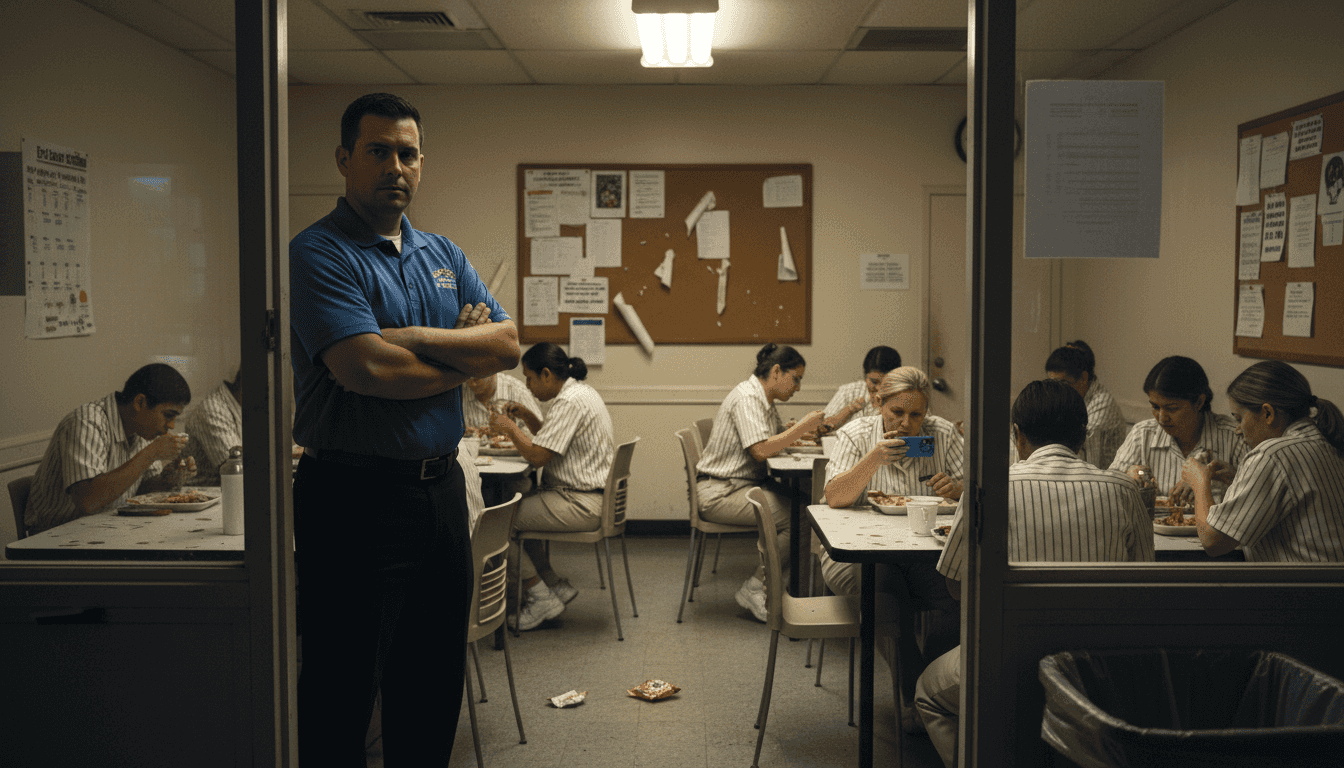
Break interruptions occur frequently. You might start your meal break only to receive a radio call asking for immediate assistance. Management might pull you back to your station during rest breaks because another employee called in sick. These interruptions transform legal breaks into illegal working time.
Common violation patterns include:
- Requiring employees to stay near their work stations during breaks
- Calling or texting employees during scheduled break time
- Forcing employees to skip breaks entirely during busy periods
- Scheduling breaks too late in shifts to meet legal timing requirements
- Pressuring employees to voluntarily waive breaks without proper documentation
Amusement park operational challenges often involve unpredictable guest flow and staffing constraints. However, these business pressures never justify violating employee break rights. California law places the responsibility on employers to ensure adequate staffing while maintaining legal break schedules.
Some managers create workplace cultures where taking full breaks seems discouraged. You might feel pressure to return early from breaks or skip them altogether to appear dedicated. This pressure tactics approach violates your legal protections.
Impact and prevalence of violations at Knott’s Berry Farm
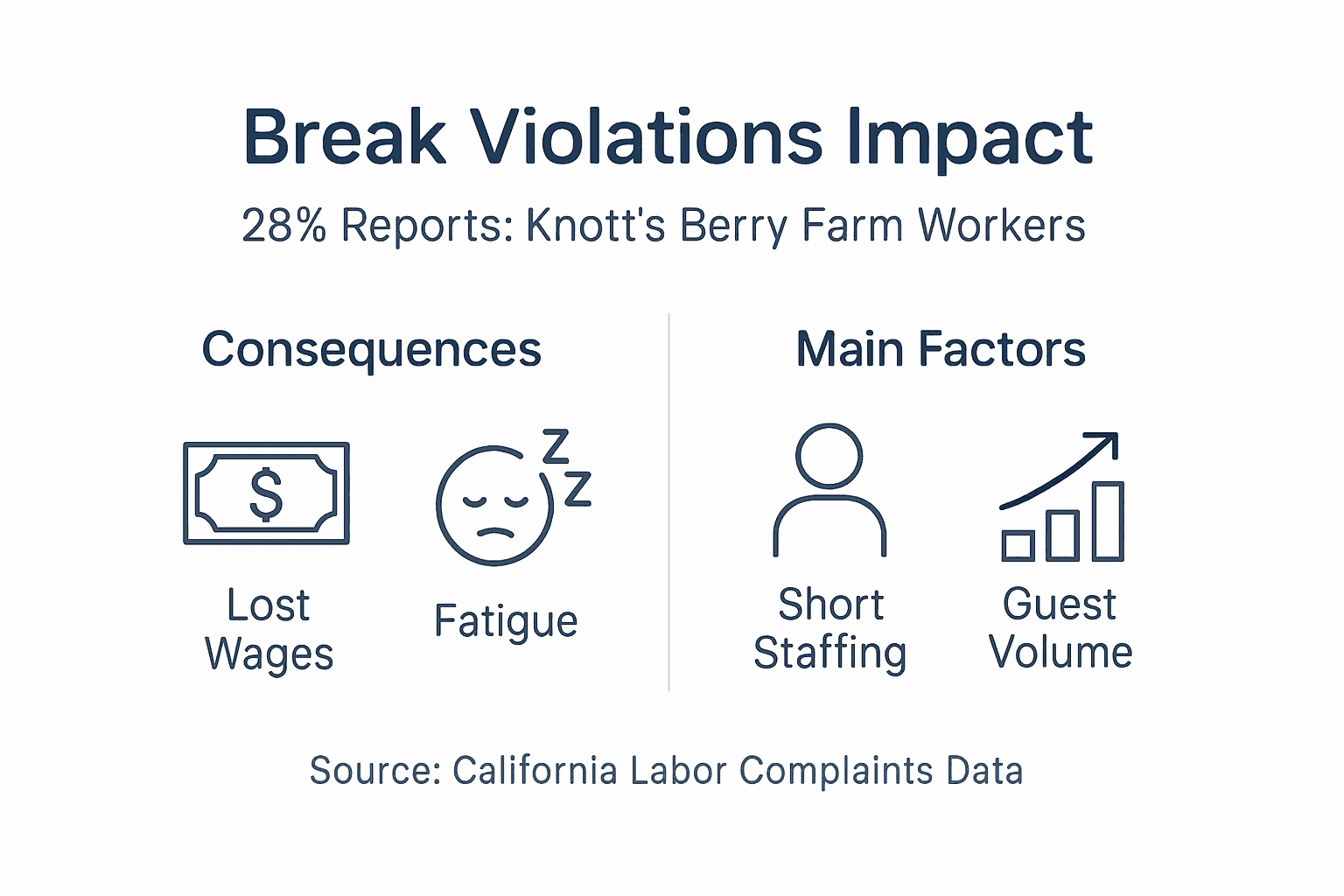
28% of break complaints in California come from amusement and recreation workers, highlighting how widespread these violations have become in the industry. Knott’s Berry Farm employees frequently report systematic break violations that affect their wellbeing and compensation. Understanding this prevalence helps validate your experiences and strengthens your resolve to enforce your rights.
These violations carry serious consequences beyond lost break time. When you work through meal breaks without receiving premium pay, you lose wages you legally earned. A single violation costs you one hour of pay at your regular rate. Multiple violations across weeks or months add up to substantial unpaid compensation.
The physical and mental toll also matters. Working eight-hour shifts without proper rest increases fatigue and stress. Your body needs those breaks to recover, especially in physically demanding amusement park roles. Denied breaks compromise your health and safety on the job.
Key impacts include:
- Lost wages from unpaid premium pay owed for each violation day
- Increased workplace accidents due to fatigue from insufficient rest
- Higher stress levels affecting overall health and job satisfaction
- Wage theft and break violations in Buena Park amusement workers creating systemic compensation problems
The high complaint rate from amusement workers suggests these violations follow industry-wide patterns rather than isolated incidents. This prevalence supports your claim that break violations represent deliberate employer practices rather than occasional oversights. When you recognize that your experience mirrors hundreds of other workers’ situations, you gain confidence to pursue legal remedies.
Employers like Knott’s Berry Farm face minimal consequences unless employees actively enforce their rights. Many workers remain unaware they can claim premium pay for past violations. This knowledge gap allows violations to continue unchecked.
Common misconceptions about meal and rest breaks
Many employees accept illegal break practices because they misunderstand their rights. Clearing up these misconceptions empowers you to recognize and challenge violations. Your employer might even promote false information about break requirements to discourage claims.
One major misconception involves what constitutes a legal break. Some employees believe staying on-site during breaks satisfies legal requirements. California law actually requires complete relief from all duties. If you must remain available to respond to work needs, your break doesn’t count as legally compliant.
Another common misunderstanding concerns who qualifies for break protections. All employee classifications in California receive meal and rest break rights, regardless of your job title or duties. Whether you work as a ride operator, food service worker, maintenance staff, or supervisor, the same break laws protect you.
Some workers believe employers can require break waivers. While mutual agreement to waive meal breaks exists in limited situations, California sets strict conditions. Employers cannot pressure you to waive breaks or make waivers a condition of employment. Most break waivers at Knott’s Berry Farm likely violate legal requirements.
Key misconceptions to avoid:
- Working through breaks with employer permission makes violations legal (it doesn’t)
- Being on-call during breaks counts as taking a break (it doesn’t)
- Only certain employee types receive break protections (everyone does)
- Employers can eliminate breaks during busy periods (they cannot)
- Signing a waiver removes your right to breaks (rarely valid)
Pro Tip: If your supervisor tells you break laws don’t apply to your position or situation, this almost certainly signals illegal practices. Contact an employment attorney to verify your rights rather than accepting questionable information from management.
Understanding your true legal rights helps you spot when employers cross boundaries. Many workers tolerate violations simply because they believe the illegal practices are normal or permitted. Knowledge transforms you from a passive victim into an empowered advocate for your own rights.
How employees can document and prove break violations
Building a strong legal claim requires solid documentation of break violations. Start gathering evidence immediately once you recognize illegal patterns. Detailed records substantially increase your chances of recovering owed premium pay and forcing employer compliance.
Keep a daily break log noting exact times. Record when each meal break and rest break should have occurred according to your schedule. Note when breaks actually occurred, how long they lasted, and any interruptions. Include specific details about what work you performed during missed or interrupted breaks.
Witness statements from coworkers strengthen your case. Other employees who observe the same violation patterns provide corroboration. Ask colleagues to document their own experiences and consider filing joint complaints when multiple workers face similar violations.
Key documentation methods:
- Maintain a smartphone note or journal with daily break time entries
- Save all text messages, emails, or schedule communications about breaks
- Take photos of time clock records showing when breaks occurred
- Request copies of work schedules showing assigned break times
- Keep records of any complaints you made to supervisors about break issues
Pro Tip: Start documenting immediately even if you’re unsure whether you’ll file a claim. You cannot recreate detailed records months later from memory, but having thorough documentation gives you options if you later decide to pursue legal action.
Consistency matters more than perfection in documentation. Even basic daily notes about missed breaks provide far stronger evidence than trying to recall violations weeks or months later. Your contemporaneous records demonstrate patterns of systematic violations rather than occasional lapses.
Be cautious about recording conversations or taking videos at work. California requires two-party consent for recording private conversations. Focus on written documentation you can legally gather without special permission.
Legal remedies and penalties for meal and rest break violations
California law provides powerful remedies when employers violate break requirements. Employees who are denied timely meal or rest breaks can recover one hour of premium pay at their regular rate for each day a violation occurs under California law. These penalties accumulate quickly when violations happen regularly across multiple shifts.
California’s Labor Commissioner’s Office offers a formal complaint process for meal and rest break violations, which can trigger investigations and fines against employers like Knott’s Berry Farm. This administrative process provides an accessible enforcement option without requiring you to file a lawsuit immediately.
The premium pay calculation works simply. If your regular hourly rate is $18 and you missed one meal break and one rest break on the same day, you recover two hours of premium pay totaling $36 for that single day. Multiply this across weeks or months of violations and the owed compensation becomes substantial.
| Remedy Type | Process | Timeline | Potential Recovery |
|---|---|---|---|
| Premium Pay Claim | File with Labor Commissioner | 6-12 months | One hour pay per violation day |
| Private Lawsuit | File in civil court | 12-24 months | Premium pay plus attorney fees |
| Class Action | Join group lawsuit | 18-36 months | Premium pay plus penalties |
Enforcement options beyond premium pay recovery include:
- Employer investigations by California Labor Commissioner
- Mandatory posting of labor law notices at workplace
- Increased scrutiny of employer’s break policies and practices
- Meal and rest break violations in Buena Park potentially triggering wider industry enforcement actions
Statute of limitations issues matter. You generally have three years from each violation date to file a claim. Waiting too long eliminates your ability to recover compensation for older violations. Starting the complaint process promptly protects your rights to maximum recovery.
California law also prohibits retaliation against employees who assert their break rights. If Knott’s Berry Farm terminates, demotes, or otherwise punishes you for complaining about break violations, you gain additional legal claims beyond the original break violation.
Role of legal counsel in enforcing employee rights
Hiring experienced employment law attorneys significantly improves your claim outcomes. Legal counsel increases claim success rates by 25-35% compared to employees pursuing claims alone. Attorneys understand the technical requirements and procedural rules that make or break cases.
Employment lawyers handle the complex paperwork and filing requirements that overwhelm many workers. California’s formal complaint process involves specific forms, deadlines, and evidence presentation rules. Missing a technical requirement can derail your entire claim.
Many experienced employment law attorneys offer free initial consultations to evaluate your case. This no-risk assessment helps you understand your claim’s strength and potential recovery amount before committing to legal action. You gain professional guidance without upfront costs.
Attorneys provide valuable services:
- Calculating total premium pay owed across all violation days
- Gathering and organizing evidence to meet legal proof requirements
- Negotiating settlements that maximize your recovery
- Protecting you against employer retaliation tactics
- Handling all communications with employer’s legal team
Contingency fee arrangements eliminate financial barriers to quality representation. Under contingency agreements, your attorney receives payment only if you win your case, taking a percentage of your recovery. You pay nothing upfront and nothing if your claim doesn’t succeed.
Professional representation sends a clear message to employers that you’re serious about enforcing your rights. Employers often settle quickly when experienced attorneys represent workers, recognizing the high cost of fighting legitimate claims in court. Your attorney’s involvement typically speeds resolution and increases settlement offers.
Attorneys also identify additional violations you might have missed. Employment lawyers spot patterns involving overtime violations, minimum wage issues, or other labor law breaches that accompany break violations. This comprehensive approach maximizes your total recovery.
Get expert legal help enforcing your meal and rest break rights
Serendi Law understands the unique challenges Knott’s Berry Farm employees face when enforcing break rights. Our Lake Forest employment law attorneys have recovered substantial premium pay for workers experiencing systematic break violations. We offer free consultations to evaluate your specific situation and explain your legal options.
You don’t need to accept illegal break practices as normal working conditions. California law provides strong protections, and we help you enforce them effectively. Our team guides you through every step of the complaint process, from documentation review through final recovery.
Our Huntington Beach employment law attorneys work on contingency fees for break violation claims. You pay nothing unless we successfully recover compensation for you. This arrangement makes quality legal representation accessible regardless of your financial situation. Contact Serendi Law today to protect your rights and secure the premium pay you’ve earned.
Frequently asked questions about meal and rest break violations at Knott’s Berry Farm
When am I entitled to meal and rest breaks working at Knott’s Berry Farm?
You must receive a 30-minute meal break before completing your fifth hour of work and a 10-minute paid rest break for every four hours worked. If your shift exceeds 10 hours, you’re entitled to a second meal break. These requirements apply to all Knott’s Berry Farm employees regardless of position or department.
How do I prove my meal or rest break was interrupted or denied?
Keep detailed daily logs noting scheduled break times, actual break times, and any interruptions or work performed during breaks. Save text messages or radio communications from supervisors during break periods. Gather witness statements from coworkers who observed the violations. Contemporaneous documentation provides the strongest evidence.
What compensation can I expect if my breaks are violated?
You can recover one hour of premium pay at your regular hourly rate for each day a violation occurred. If you missed both a meal break and rest break on the same day, you receive two hours of premium pay for that day. These penalties accumulate across all violation days within the three-year statute of limitations period.
Can Knott’s Berry Farm punish me for asserting my break rights?
California law prohibits retaliation against employees who complain about break violations or file claims. If your employer terminates, demotes, reduces hours, or otherwise punishes you for asserting break rights, you gain additional legal claims beyond the original violations. Document any adverse actions following your complaints.
How can Serendi Law assist in filing break violation claims?
Serendi Law provides free initial consultations to evaluate your claim strength and calculate potential recovery. We handle all complaint paperwork, evidence gathering, negotiations with your employer, and representation in administrative proceedings or court. Our contingency fee structure means you pay nothing unless we successfully recover compensation for your violations.
Recommended
- Meal Break Violations in Stanton Warehouses: Your Legal Rights | Serendib Law Firm
- Meal and Rest Break Violations Impact Hospitality Workers
- Wage and Hour Violations at Disneyland – Impact on Cast Members in Anaheim | Serendib Law Firm
- Accessibility Workflow For Guests: Ensuring Inclusive Visits | Flight Of Aloha