
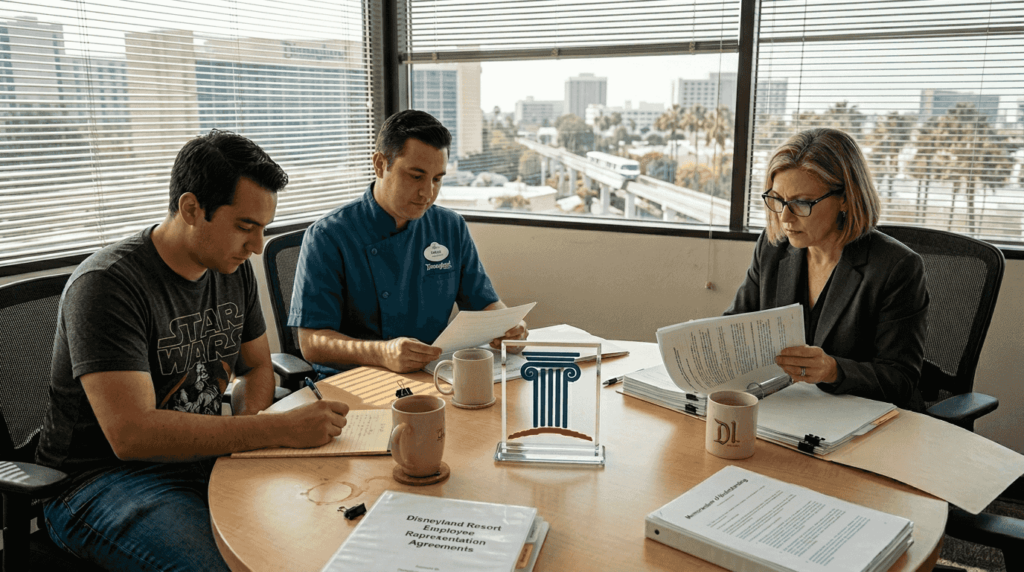
The historic $233 million settlement affecting over 51,000 Disneyland Resort employees shattered assumptions about wage compliance at one of California’s largest employers. Many cast members believed Disney was exempt from local living wage laws, but courts ruled otherwise. This article clarifies your wage and scheduling rights under California and Anaheim laws, explaining how to document violations and seek legal help.
Table of Contents
- Background And Lawsuit History
- Settlement Details And Impact On Employees
- Scheduling Rights And Legal Protections
- Common Misconceptions And Legal Realities
- Legal Mechanisms And Employee Actions
- Summary And Next Steps For Disneyland Employees
- Legal Support For Disneyland Employees
- Frequently Asked Questions
Key takeaways
| Point | Details |
|---|---|
| Local living wage mandate | Anaheim’s Measure L requires Disneyland Resort to pay above state minimum wage due to historical tax agreements. |
| Massive wage settlement | A $233 million class action resolved wage theft claims for approximately 51,000 employees with payouts starting late 2025. |
| Scheduling protections | California law guarantees advance notice for schedules and premium pay for last-minute changes. |
| Legal misconceptions dispelled | Courts rejected Disney’s arguments that Measure L exemptions applied, establishing clear legal precedent. |
| Collective action power | Employees can document violations and join class actions to secure compensation and protect workplace rights. |
Background and lawsuit history
Anaheim’s Measure L ordinance established living wage requirements for businesses receiving city subsidies or tax incentives. The law linked directly to Disney’s expansion agreements with the city, creating wage obligations many employees didn’t initially understand.
Disneyland employees filed a class action alleging wage theft under Measure L, ultimately securing a $233 million settlement approved in 2025. The lawsuit timeline reveals critical legal developments:
- 2019 lawsuit filing: Cast members claimed Disney violated Measure L by paying below required living wages.
- Disney’s exemption argument: The company insisted no active tax rebate agreements meant Measure L didn’t apply.
- Court rejection of exemptions: Judges ruled historical expansion deals triggered Measure L obligations despite Disney’s claims.
- Class certification: Courts approved a class of approximately 51,000 current and former employees.
- Settlement approval: Final court approval came in 2025, validating years of employee organizing efforts.
The court’s interpretation proved decisive. Disney argued unsuccessfully that expired tax agreements released them from Measure L compliance. Legal experts note how local living wage ordinances can influence practices even at multinational corporations when tied to municipal agreements.
This historic ruling on Disneyland wage lawsuit demonstrates that size and reputation don’t shield employers from local wage laws. The legal significance of the Disney settlement extends beyond Disneyland, establishing precedent for other resort and hospitality workers in cities with similar ordinances.
Settlement details and impact on employees
The $233 million settlement represents one of California’s largest wage and hour resolutions in the hospitality sector. Average payouts reach approximately $3,000 per eligible employee, though amounts vary based on employment duration and wage shortfalls.
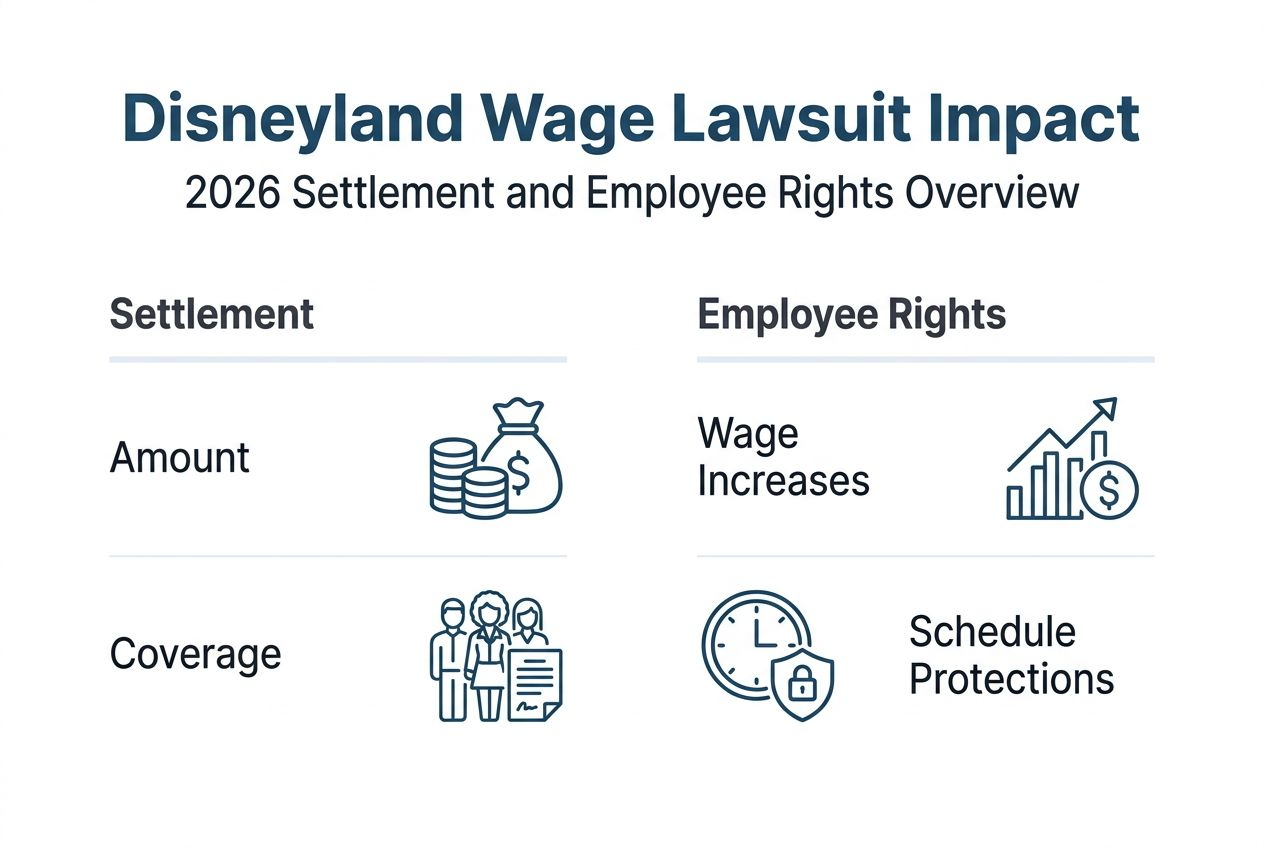
| Employee Category | Pre-Settlement Hourly | Post-Settlement Hourly |
|---|---|---|
| Entry-level attractions | $15.00 | $19.90+ |
| Food service | $15.50 | $20.50+ |
| Skilled technicians | $22.00 | $25.00+ |
| Character performers | $16.50 | $21.00+ |
Current wage standards show progress. Currently, 95% of cast members earn above the Measure L minimum wage of approximately $19.90 per hour, with many skilled roles exceeding $25 hourly.
The distribution process follows a structured timeline:
- Late 2025: Initial settlement notices mailed to class members
- Early 2026: Payment processing begins via digital links or checks
- Mid 2026: Final distribution to remaining eligible employees
- Objection period: 60 days from initial notice for employees to raise concerns
Eligibility depends on employment during the class period and wage rates below Measure L thresholds. Employees receive settlement payments through secure digital platforms or traditional mail, with clear instructions provided in initial notices.
Pro Tip: Update your contact information immediately through the official wage settlement payment info portal to avoid payment delays. Verify your mailing address and email match Disney’s current records.
The Disney wage theft settlement guide provides comprehensive details on verifying eligibility, calculating expected payouts, and resolving payment issues. Keep copies of all settlement correspondence and payment confirmations for your records.
Scheduling rights and legal protections
California fair scheduling laws provide critical protections beyond wage requirements. These regulations directly impact daily work life for Disneyland employees facing unpredictable hours and last-minute shift changes.
Your core scheduling rights include:
- Advance notice requirements: Employers must provide work schedules at least 10 days in advance for predictability
- Premium pay for changes: Last-minute schedule modifications within 7 days trigger additional compensation
- Minimum guaranteed hours: Employees called in for shifts must receive payment for minimum hours even if sent home early
- Right to decline: Workers can refuse schedule changes made with insufficient notice without retaliation
- Rest period protections: Mandatory breaks and time between shifts prevent excessive consecutive hours
Common scheduling disputes at Disneyland involve forced overtime during peak seasons, inadequate notice for shift swaps, and pressure to work outside posted schedules. Cast members in attractions and food service face particular challenges with fluctuating visitor volumes creating scheduling volatility.
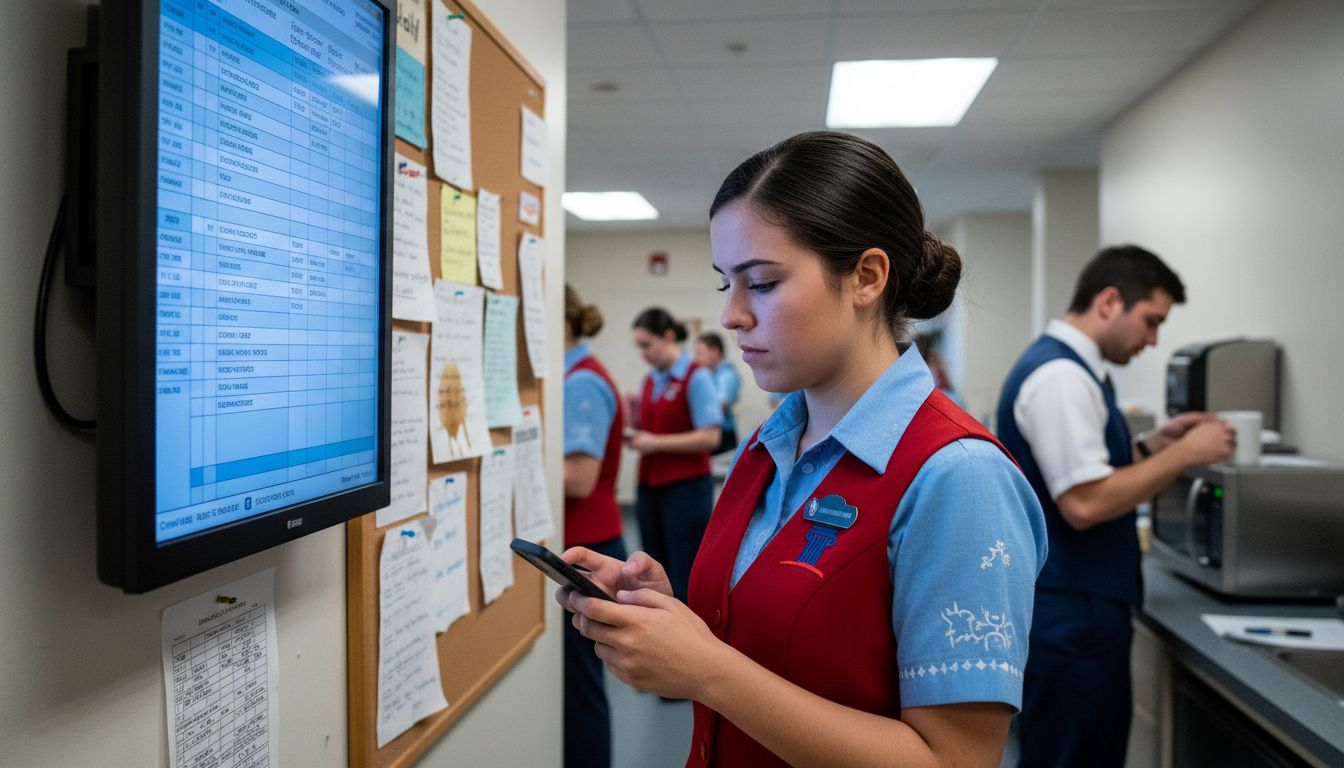
When violations occur, document everything systematically. Record each schedule change with dates, times, and communications from supervisors. Request written confirmation for any verbal schedule modifications to create a paper trail.
Pro Tip: Take screenshots of your digital work schedule immediately when posted, then again after any changes. This timestamped evidence proves insufficient notice and supports premium pay claims.
The Disneyland shift scheduling lawsuits Anaheim page details recent cases where employees successfully challenged unfair scheduling practices. Religious accommodation issues also arise frequently, as explored in scheduling conflicts and religious rights Anaheim resources.
Scheduling rights work alongside wage protections to ensure fair treatment. Employees who assert these rights receive legal protections against retaliation, including termination, reduced hours, or unfavorable assignments. California law treats scheduling violations seriously, with penalties including back pay and damages.
Common misconceptions and legal realities
Disneyland employees often hold misunderstandings about their legal protections that can prevent them from asserting valid rights. Clarifying these misconceptions empowers workers to recognize violations and seek appropriate remedies.
Misconception vs Reality:
- Myth: Disney’s size exempts it from local wage ordinances
- Reality: Municipal agreements triggered Measure L obligations regardless of corporate structure
- Myth: Union contracts replace individual legal rights under California law
- Reality: Collective bargaining complements statutory protections without eliminating them
- Myth: Class action lawsuits take too long to provide meaningful relief
- Reality: Collective actions often secure larger settlements than individual claims despite extended timelines
- Myth: Documenting violations will lead to immediate termination
- Reality: Retaliation for protected activity creates additional legal claims with significant penalties
The courts rejected Disney’s exemption arguments based on interpretations of Measure L’s scope and applicability. This legal precedent matters for current employees evaluating whether to pursue wage or scheduling complaints.
Union representation provides collective bargaining power but doesn’t replace individual employment law rights. Wage and scheduling disputes often stem from misunderstandings about how Measure L and California statutes interact with negotiated contracts. The Disneyland union contract labor law rights resource explains this relationship.
Performers and specialized cast members face unique considerations. The Anaheim Disneyland performers unionization page addresses how union membership affects individual legal claims and complaint processes.
Many employees hesitate to pursue claims believing the legal system favors large employers. The $233 million settlement demonstrates courts will enforce wage laws against even California’s most prominent companies when violations occur. Union perspectives on Disneyland wage lawsuit emphasize how employee organizing and legal action work together to secure compliance.
Another common confusion involves distinguishing between legitimate business needs and illegal practices. Employers can adjust schedules for operational requirements, but must follow notice and compensation rules. Understanding where flexibility ends and violations begin requires reviewing specific fact patterns against legal standards.
Legal mechanisms and employee actions
Class action lawsuits provide powerful tools for addressing widespread wage violations affecting many workers simultaneously. The Disneyland settlement exemplifies how collective legal actions enable employees to secure restitution for systemic underpayment not easily resolved individually.
Steps to document and pursue wage or scheduling violations:
- Maintain detailed records: Save pay stubs, time cards, schedule screenshots, and all employment communications.
- Track specific violations: Note dates, times, amounts, and circumstances for each wage shortfall or scheduling issue.
- Request written policies: Obtain copies of employee handbooks, scheduling policies, and wage scales through proper channels.
- Report internally first: Use Disney’s internal complaint mechanisms to create formal record of concerns.
- Preserve electronic evidence: Back up emails, text messages, and digital schedules to multiple locations immediately.
- Consult legal counsel promptly: Contact employment attorneys before statutes of limitation expire on potential claims.
Your legal options include:
- Individual wage claims: File with California Labor Commissioner for personal underpayment recovery
- Class action participation: Join collective lawsuits addressing widespread violations affecting multiple employees
- Union grievance procedures: Utilize collective bargaining agreement dispute resolution for contract violations
- Private legal representation: Retain employment attorneys for comprehensive claim evaluation and negotiation
- Government agency complaints: Report violations to Department of Labor Standards Enforcement for investigation
The historic $233 million settlement validates years of Disneyland employee organizing and demonstrates that workers can successfully challenge wage violations even against California’s largest employers through persistent legal action and collective solidarity.
Avoid common pitfalls that weaken potential claims. Delayed legal consultation allows statutes of limitation to expire, eliminating recovery options. Poor documentation makes proving violations difficult even when they clearly occurred. Accepting settlement offers without legal review can result in waiving valuable rights for inadequate compensation.
The wage and hour violations Disneyland Anaheim page provides detailed guidance on recognizing specific violation types and calculating potential damages. Similar issues affect workers throughout the region, as shown in wage theft Buena Park amusement workers cases.
Many employment attorneys work on contingency for wage claims, meaning no upfront costs and payment only from successful recovery. Free consultations allow evaluating claim strength before committing to legal action. The daily journal on Disney wage settlement coverage highlights the substantial financial outcomes possible through persistent legal advocacy.
Summary and next steps for Disneyland employees
The $233 million wage settlement and subsequent improvements in Disneyland compensation practices resulted from employees asserting legal rights under Anaheim’s Measure L. Courts rejected corporate exemption arguments, establishing clear precedent that municipal wage ordinances apply when tied to city agreements regardless of employer size.
California scheduling laws provide additional protections requiring advance notice, premium pay for last-minute changes, and guaranteed minimum hours. These rights exist independently of union contracts and apply to all covered employees.
Your next steps:
- Review personal records: Compare your wage history against Measure L requirements and identify potential shortfalls
- Monitor settlement notices: Watch for official communications about the $233 million distribution and verify eligibility
- Document ongoing issues: Maintain systematic records of any current wage or scheduling violations with dates and specifics
- Understand protection scope: Learn which California and local laws apply to your specific employment situation
- Seek expert guidance: Consult employment law attorneys or union representatives when violations appear
- Join collective efforts: Consider participating in class actions addressing widespread issues affecting multiple cast members
Proactive rights protection prevents violations from accumulating and strengthens potential claims if legal action becomes necessary. Regular review of pay stubs and schedules helps identify problems early when documentation is fresh and resolution is simpler.
The Disneyland wage lawsuit demonstrates how employee collective action combined with legal advocacy achieves meaningful workplace improvements. Whether through settlements, court judgments, or negotiated resolutions, asserting your rights creates accountability and promotes compliance.
Legal support for Disneyland employees
Serendib Law specializes in employment disputes affecting Southern California workers, including wage theft, scheduling violations, and workplace rights protection. Our attorneys understand the unique challenges Disneyland Resort employees face with complex wage laws, municipal ordinances, and large employer practices.
We provide comprehensive representation for wage and hour claims, scheduling dispute resolution, and participation in collective actions. Free initial consultations allow evaluating your situation and explaining legal options without financial commitment. Many cases proceed on contingency, meaning payment only from successful recovery.
If you’re experiencing wage underpayment, unfair scheduling practices, or retaliation for asserting workplace rights, contact our team for confidential case evaluation. Our Lake Forest employment law attorneys, Huntington Beach employment law attorneys, and Experienced Anaheim law attorneys serve clients throughout Orange County with dedicated advocacy and proven results.
Frequently asked questions
What does Anaheim’s Measure L mean for Disneyland employees?
Measure L requires businesses receiving city subsidies or tax incentives to pay minimum living wages above California’s state minimum. Courts ruled Disney’s historical expansion agreements with Anaheim triggered these obligations, establishing wage floors currently around $19.90 per hour for covered positions.
How will I know if I’m eligible for the $233 million wage settlement?
Eligibility depends on employment during the class period and wages below Measure L requirements. Class members receive notification via mail or digital communication starting late 2025 with detailed eligibility information and payment instructions through the official settlement administration portal.
What rights do I have regarding my work schedule under California law?
You have rights to advance schedule notice, premium pay for last-minute changes, and guaranteed minimum hours when called to work. California law protects against retaliation for asserting scheduling rights and requires rest periods between shifts.
What steps should I take if I suspect wage or scheduling violations?
Document all work hours, pay stubs, schedule changes, and supervisor communications immediately. Maintain backups of digital records and request written confirmation of verbal scheduling changes. Consult an employment law attorney or union representative promptly to evaluate potential claims before limitation periods expire.
Recommended
- Disneyland Shift Scheduling Lawsuits: Why Anaheim Workers Should Care
- Disney’s $233M Wage-Theft Settlement Explained
- Wage and Hour Violations at Disneyland – Impact on Cast Members in Anaheim | Serendib Law Firm
- Disneyland Union Contract Talks—Protections for Cast Members | Serendib Law Firm
- Walt Disney Q4 2025 Earnings Preview and Prediction: What to expect