More than one in five American adults experiences a mental health condition each year, yet many workplaces in Orange County still struggle to address these concerns openly. For employees facing psychological challenges, the legal landscape can feel confusing and the stigma around mental health persists. This article reveals how local employers are required to support American workers with mental health disabilities, explaining the rights, accommodations, and programs that can transform workplace culture and employee well-being.
Table of Contents
- Mental-health Disabilities In Orange Workplaces
- FEHA’s Definition And Scope For Mental Health
- High-stress Environments And Claim Triggers
- Employer Duties To Provide Reasonable Accommodations
- Employee Rights, Legal Risks, And Claim Pitfalls
Key Takeaways
| Point | Details |
|---|---|
| Understanding FEHA’s Protections | The Fair Employment and Housing Act mandates reasonable accommodations for employees with mental health disabilities, emphasizing legal protections against discrimination. |
| High-Stress Triggers | Persistent stressors like excessive workloads and lack of support can lead to mental health claims, requiring proactive employer strategies to mitigate these triggers. |
| Reasonable Accommodations | Employers must engage in collaborative discussions to provide individualized accommodations, ensuring they maintain confidentiality and support employee well-being. |
| Employee Rights and Legal Compliance | Employees are entitled to protections such as reasonable accommodations and confidentiality, while employers face legal risks for non-compliance with FEHA. |
Mental-health Disabilities in Orange Workplaces
Understanding mental health disabilities in Orange County workplaces requires nuanced awareness of legal protections and employer responsibilities. The Fair Employment and Housing Act (FEHA) mandates comprehensive support for employees experiencing mental health challenges, ensuring they receive reasonable workplace accommodations without discrimination.
Orange County employers must recognize mental health as a legitimate disability category. Mental health support programs through organizations like NAMI Orange County help businesses develop inclusive environments that reduce workplace stigma and promote employee wellness. These initiatives demonstrate how proactive mental health strategies benefit both employees and organizational productivity.
Workforce development programs in Orange County highlight the critical importance of mental health accommodations. Goodwill of Orange County’s workforce support services illustrate practical approaches to integrating employees with mental health diagnoses, showcasing how targeted professional development can create meaningful employment opportunities.
Key considerations for Orange employers include understanding protected mental health conditions, implementing flexible work arrangements, providing confidential support resources, and training management on appropriate accommodation strategies. By approaching mental health disabilities with empathy, legal compliance, and strategic support, businesses can create inclusive environments that empower all employees to succeed.
FEHA’s Definition and Scope for Mental Health
The Fair Employment and Housing Act (FEHA) provides comprehensive legal protections for employees experiencing mental health disabilities, establishing clear guidelines for workplace accommodations and anti-discrimination measures. Mental health disabilities under FEHA encompass a broad range of psychological conditions that substantially limit one or more major life activities, extending beyond traditional physical disability frameworks.

Under FEHA, qualifying mental health conditions include clinical depression, anxiety disorders, post-traumatic stress disorder (PTSD), bipolar disorder, schizophrenia, and other psychological impairments that meaningfully impact an individual’s professional functioning. Employers must recognize these conditions as legitimate disabilities requiring reasonable workplace accommodations, which might include flexible scheduling, modified job duties, or adjusted work environments.
The legal definition emphasizes that mental health disabilities are not discretionary considerations but legally protected characteristics. Employers cannot discriminate against employees based on mental health conditions, refuse reasonable accommodations, or take adverse employment actions motivated by an individual’s psychological diagnosis. This means workers cannot be terminated, demoted, passed over for promotion, or subjected to harassment due to their mental health status.
Practical implementation of FEHA’s mental health provisions requires nuanced understanding and proactive approaches. Employers should develop comprehensive policies that: – Establish clear accommodation request procedures- Train management on recognizing and supporting mental health needs- Maintain strict confidentiality for employee medical information- Create supportive, non-stigmatizing workplace culturesBy interpreting FEHA’s mental health disability protections comprehensively, Orange County businesses can foster inclusive environments that respect employee wellness and legal rights.
High-stress Environments and Claim Triggers
High-stress workplace environments can significantly impact mental health, potentially triggering disability claims under the Fair Employment and Housing Act (FEHA). California court documents highlight how persistent workplace stress can exacerbate existing mental health conditions, creating legal obligations for employers to recognize and address these challenging situations.
Certain workplace characteristics can precipitate mental health disability claims, including persistent excessive workloads, hostile work environments, unreasonable performance expectations, and lack of supportive management practices. Judicial guidelines emphasize the importance of identifying workplace stressors that might contribute to mental health deterioration, requiring employers to implement proactive accommodation strategies.
Key workplace stress triggers that may lead to potential disability claims include: – Chronic overtime demands- Consistent lack of work-life balance- Repeated exposure to verbal harassment- Sudden organizational changes- Persistent workplace discrimination- Inadequate mental health support systemsEmployers must recognize these potential triggers and develop comprehensive strategies to mitigate their impact, demonstrating a commitment to employee psychological well-being and legal compliance.
Navigating high-stress workplace environments requires a multifaceted approach. Employers should implement regular stress assessment programs, provide confidential mental health resources, train management on recognizing early signs of mental health challenges, and create clear, accessible accommodation request procedures. By proactively addressing workplace stress and maintaining a supportive environment, businesses can reduce the likelihood of disability claims while supporting employee mental health.
Employer Duties to Provide Reasonable Accommodations
Reasonable accommodations represent a critical legal obligation for employers under the Fair Employment and Housing Act (FEHA), requiring proactive support for employees with mental health disabilities. California Civil Rights guidelines outline specific employer responsibilities in creating supportive workplace environments, emphasizing the need for individualized and interactive approaches to employee assistance.
The accommodation process involves a collaborative dialogue between employers and employees, where both parties must engage in a good-faith interactive process to identify appropriate workplace modifications. State human resources professionals recommend comprehensive individualized assessments that consider the specific mental health condition, job requirements, and potential workplace adjustments.
Reasonable accommodations for mental health disabilities can encompass various workplace modifications, such as: – Flexible scheduling- Modified break structures- Quiet work environments- Reduced noise or sensory stimulation- Task reassignment- Temporary work-from-home arrangements- Periodic mental health breaks- Modified communication protocolsEmployers must carefully evaluate each request, understanding that accommodations should enable employees to perform essential job functions while maintaining workplace productivity and team dynamics.
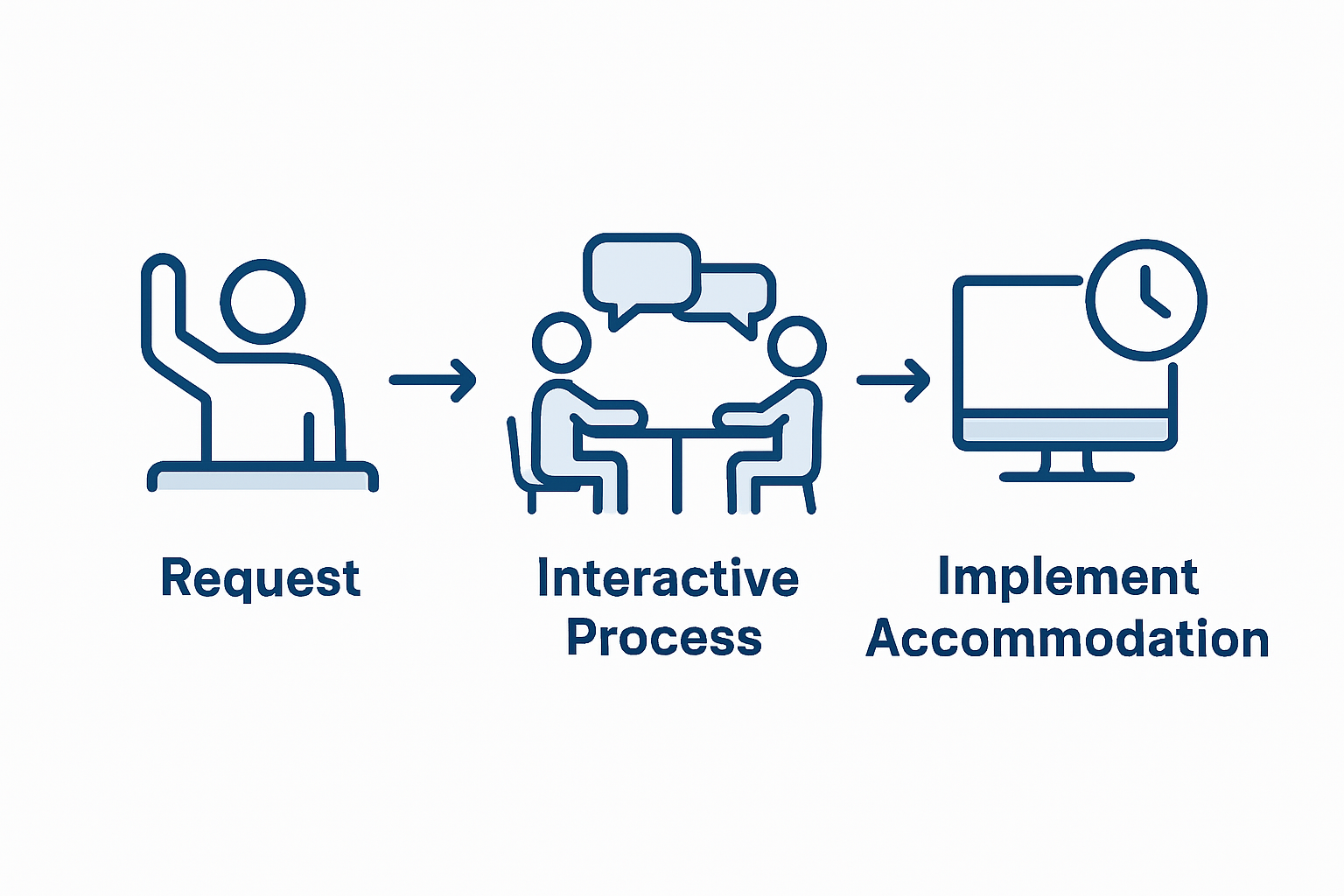
Successful implementation of reasonable accommodations requires ongoing communication, confidentiality, and a non-discriminatory approach. Employers should document accommodation discussions, maintain employee privacy, provide necessary training for management, and continuously assess the effectiveness of implemented support strategies. By approaching mental health accommodations with empathy, flexibility, and legal compliance, businesses can create inclusive environments that support employee wellness and organizational success.
Employee Rights, Legal Risks, and Claim Pitfalls
Employee rights in mental health disability claims represent a critical intersection of legal protections and workplace responsibilities. California Attorney General’s guidance highlights the comprehensive legal safeguards available to employees experiencing mental health challenges, emphasizing the importance of understanding one’s rights under the Fair Employment and Housing Act (FEHA).
California regulations mandate a detailed interactive process that requires both employers and employees to engage in good-faith communication about potential workplace accommodations. Common legal pitfalls include employers failing to: – Initiate timely accommodation discussions- Maintain confidentiality of medical information- Provide reasonable workplace modifications- Avoid discriminatory practices- Document accommodation requestsEmployees must carefully document all interactions, medical information, and workplace challenges to protect their legal interests.
Key employee rights under FEHA include protection from discrimination, the right to reasonable accommodations, confidentiality of medical information, and protection from retaliation. Potential legal risks for employers include significant financial penalties, potential lawsuits, damage to organizational reputation, and potential federal and state regulatory investigations. Employees should be prepared to demonstrate how their mental health condition impacts major life activities and requires specific workplace modifications.
Successful navigation of mental health disability claims requires proactive communication, thorough documentation, and a clear understanding of legal rights. Employees should consult with employment law specialists, maintain detailed records of workplace interactions, seek medical documentation supporting their accommodation needs, and be prepared to articulate how specific workplace modifications can enable them to perform essential job functions effectively.
Protect Your Rights with Expert Guidance on Mental Health Disability Claims
Navigating mental health disability claims under FEHA can be complex and taxing. Employers often struggle with their duties to provide reasonable accommodations while employees face challenges understanding their rights against discrimination and retaliation. If you or your workplace in Orange County is dealing with these critical issues, you need trusted advocacy that understands the nuances of mental health law and employment protections.
At Serendib Law Firm, we specialize in helping clients assert their rights and navigate employer obligations with a deep commitment to personalized representation. Whether you are facing difficulties securing reasonable accommodations or need to defend against wrongful practices, explore our Disability Accommodation Archives for detailed insights. For tailored support specific to your area, visit our Orange Archives. Act now to protect your legal interests by contacting us through Serendib Law Firm and schedule your free consultation today.
Frequently Asked Questions
What constitutes a mental health disability under FEHA?
Mental health disabilities under FEHA include a range of psychological conditions that significantly limit one or more major life activities, such as clinical depression, anxiety disorders, PTSD, bipolar disorder, and schizophrenia.
What are employers’ duties regarding reasonable accommodations for mental health disabilities?
Employers are required to engage in a good-faith interactive process with employees to identify and implement reasonable accommodations that support employees with mental health disabilities, which may include flexible scheduling, modified duties, and quiet work environments.
How can high-stress work environments lead to mental health disability claims?
High-stress work environments can exacerbate existing mental health conditions and trigger disability claims due to issues like excessive workloads, hostile environments, and lack of support from management.
What are the potential legal risks for employers in handling mental health disability claims?
Employers face legal risks such as financial penalties, lawsuits, and damage to their reputation if they fail to provide reasonable accommodations, maintain confidentiality, or avoid discriminatory practices as outlined by FEHA.
Recommended
- Disability Accommodations in Tustin Firms: Complete Guide | Serendib Law Firm
- Workplace Disability Discrimination- Common Violations by Employers | Serendib Law Firm
- Workplace Disability Discrimination- Common Violations by Employers | Serendib Law Firm
- Workplace Disability Discrimination- Common Violations by Employers | Serendib Law Firm
- Estate Planning for Individuals with Disabilities: Legal Considerations – Law Office of Eric Ridley