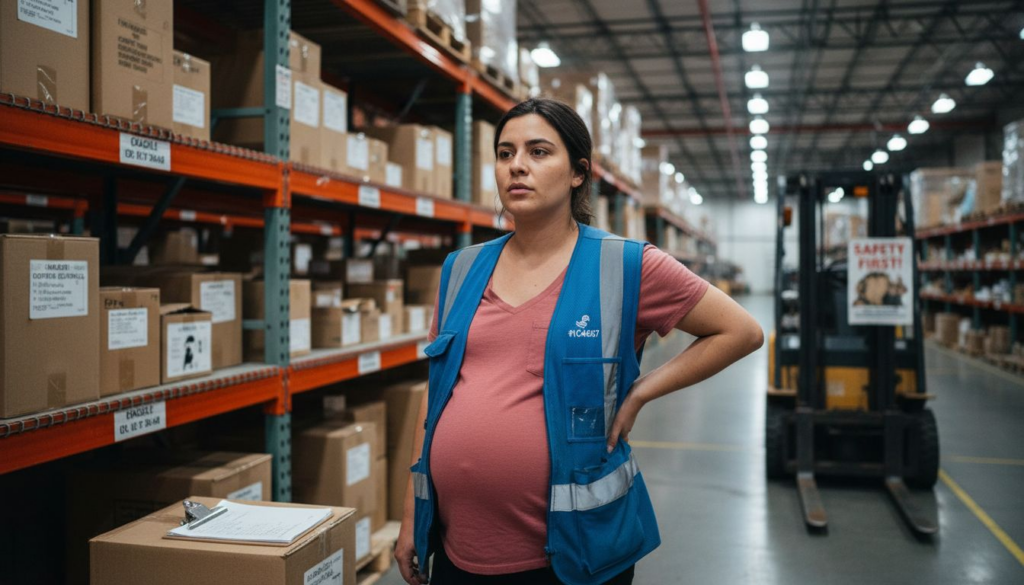
Over eighty percent of American warehouse workers face physically demanding tasks every day, yet pregnancy accommodation remains uneven across logistics operations. Workplace safety and fair treatment are critical, especially for expectant mothers managing these roles. This article highlights practical steps and key legal protections that can help American companies build safer, more inclusive logistics environments for pregnant employees while reducing risk and supporting productivity.
Table of Contents
- Pregnancy Accommodation in Logistics Operations
- Key Legal Protections for Pregnant Workers
- Common Violations in Warehouse Settings
- Employer Responsibilities and Best Practices
- Legal Risks and How to Respond
Key Takeaways
| Point | Details |
|---|---|
| Importance of Accommodation | Employers must implement reasonable accommodations for pregnant workers to comply with legal requirements and promote workplace safety. |
| Proactive Policies Needed | Establish clear accommodation procedures to support pregnant employees while maintaining operational efficiency. |
| Document Everything | Both employees and employers should maintain detailed records of communications and accommodations to protect rights and ensure compliance. |
| Potential Legal Risks | Mishandling pregnancy accommodations can lead to significant financial penalties and reputational damage for employers, emphasizing the need for proper training and documentation. |
Pregnancy Accommodation in Logistics Operations
Logistics operations present unique challenges for pregnant workers, particularly in warehouses and distribution centers where physical labor is the norm. Pregnancy accommodation laws aim to protect workers by requiring employers to provide reasonable adjustments that ensure workplace safety and continued employment for expectant mothers.
In physically demanding sectors like warehouse work, pregnancy accommodations might include modified job duties, reduced lifting requirements, additional break times, or temporary reassignment to less strenuous roles. The goal is to maintain workplace productivity while protecting the health of pregnant employees. Legal challenges have highlighted systemic issues in how logistics companies implement these accommodations, revealing significant disparities in how pregnancy-related workplace adjustments are handled.
Warehouse managers and human resources professionals must proactively develop clear policies that outline specific accommodation processes. This includes establishing transparent communication channels, documenting medical recommendations, and creating flexible work arrangements that support pregnant employees without compromising operational efficiency. Understanding legal requirements and best practices is crucial for preventing potential discrimination claims and maintaining a supportive work environment.
Here’s a comparison of common pregnancy accommodation practices in logistics and their business impact:
| Accommodation Practice | Description | Positive Business Impact |
|---|---|---|
| Modified Job Duties | Assigning less physically demanding tasks | Reduces injury risk and improves retention |
| Flexible Break Schedules | Allowing more frequent or longer breaks | Supports health, lowers absenteeism |
| Reduced Lifting Requirements | Limiting maximum weights handled | Prevents workplace accidents |
| Temporary Role Reassignment | Placing in lighter-duty, short-term roles | Maintains productivity, limits liability |
Pro Tip for Pregnant Workers: Document all communication with your employer regarding pregnancy-related work modifications and keep copies of medical recommendations to protect your rights and ensure proper workplace accommodations.
Key Legal Protections for Pregnant Workers
Legal protections for pregnant workers have significantly evolved, providing critical safeguards against workplace discrimination. The Pregnant Workers Fairness Act establishes comprehensive rights for employees with pregnancy-related limitations, mandating that employers provide reasonable workplace accommodations for expectant mothers.
Under current federal regulations, employers are legally required to make workplace adjustments that enable pregnant workers to continue performing their job duties safely. Specific federal guidelines prohibit discrimination and require reasonable modifications when pregnancy impacts an employee’s ability to perform standard job functions. These protections cover a wide range of accommodations, including temporary job restructuring, modified work schedules, additional breaks, and alternative assignments that reduce physical strain.
The legal framework surrounding pregnancy accommodations is complex and multifaceted. Employers must carefully navigate requirements that balance worker safety with operational needs, ensuring that pregnant employees are not unfairly disadvantaged or excluded from career opportunities. This includes providing accommodations without imposing undue hardship on the business, while simultaneously protecting the employee’s right to continued employment and professional development.
Pro Tip for Employee Rights: Maintain detailed documentation of any pregnancy-related workplace restrictions and communicate proactively with your employer about necessary accommodations to ensure your legal protections are fully recognized and implemented.
Common Violations in Warehouse Settings
Warehouse environments frequently present complex challenges for pregnant workers, with numerous systemic violations of legal protections. Recent employment discrimination cases reveal troubling patterns of workplace mistreatment, where employers consistently fail to provide reasonable accommodations for pregnant employees.

The most prevalent violations in warehouse settings include outright job termination, forced unpaid leave, denial of schedule modifications, and refusal to adjust physical job requirements. Documented legal settlements demonstrate the pervasive nature of pregnancy discrimination, with companies routinely violating federal guidelines designed to protect expectant workers. These violations often manifest through subtle and direct forms of workplace discrimination, such as reducing work hours, reassigning critical responsibilities, or creating hostile work environments that pressure pregnant workers to resign.
Critical legal violations typically involve employers failing to engage in interactive processes to determine appropriate workplace accommodations. Warehouse managers frequently misunderstand their legal obligations, incorrectly assuming that pregnancy automatically renders an employee incapable of performing job duties. This misconception leads to discriminatory practices that not only violate federal law but also undermine workplace diversity and employee retention.
Pro Tip for Workplace Protection: Document every interaction and communication regarding pregnancy-related workplace accommodations, including dates, specific discussions, and responses from management, to create a clear record of potential discriminatory practices.
Employer Responsibilities and Best Practices
Workplace accommodations for pregnant employees require a proactive and comprehensive approach from employers. Employers must develop structured strategies for supporting pregnant workers through reasonable workplace modifications, ensuring both legal compliance and employee well-being.
The interactive process is crucial in implementing effective pregnancy accommodations. Best practices emphasize collaborative dialogue between employers and pregnant employees to determine appropriate workplace adjustments, focusing on maintaining job functionality while protecting worker health. This typically involves comprehensive assessments that consider medical recommendations, job requirements, and potential temporary modifications such as reduced lifting requirements, additional break times, ergonomic adjustments, or alternative work assignments.
Employers must train management and human resources personnel to understand legal obligations and recognize potential discrimination risks. Critical responsibilities include developing clear accommodation policies, maintaining confidentiality, documenting interactive discussions, and ensuring that pregnancy-related modifications do not result in adverse employment actions. Successful implementation requires a holistic approach that balances operational needs with employee rights, creating an inclusive workplace environment that supports workers during significant life transitions.
Pro Tip for Employers: Create a standardized accommodation request process with clear documentation protocols, training managers to respond consistently and compassionately to pregnancy-related workplace modification needs.
Legal Risks and How to Respond
Employers face significant legal and financial consequences for mishandling pregnancy accommodations in warehouse settings. Recent EEOC lawsuits demonstrate the increasing scrutiny of workplace pregnancy discrimination, highlighting the critical importance of proactive compliance strategies.
The potential legal risks extend beyond immediate financial penalties, encompassing long-term reputational damage and operational disruptions. Substantial monetary settlements reveal the severe consequences of non-compliance, with companies facing not just financial repercussions but also potential loss of workforce talent and increased legal vulnerability. Warehouse managers must develop comprehensive strategies that include clear accommodation policies, consistent documentation, and robust training programs to mitigate these risks.
Effective legal risk management requires a multifaceted approach. This involves creating transparent communication channels, implementing standardized accommodation request processes, conducting regular legal compliance training, and maintaining meticulous records of all pregnancy-related workplace interactions. Employers should prioritize understanding the nuanced requirements of the Pregnant Workers Fairness Act, ensuring that workplace policies are not just legally compliant but also supportive of employee well-being.
Key legal risks for employers and how to address them:
| Legal Risk | Description | Preventive Action |
|---|---|---|
| Failure to Accommodate | Not providing reasonable modifications | Implement clear policies |
| Documentation Gaps | Incomplete records of discussions/accommodations | Standardize internal recordkeeping |
| Discrimination Claims | Direct or indirect negative treatment | Train managers regularly |
| Retaliation Allegations | Punitive actions against accommodation requests | Enforce zero-tolerance for retaliation |
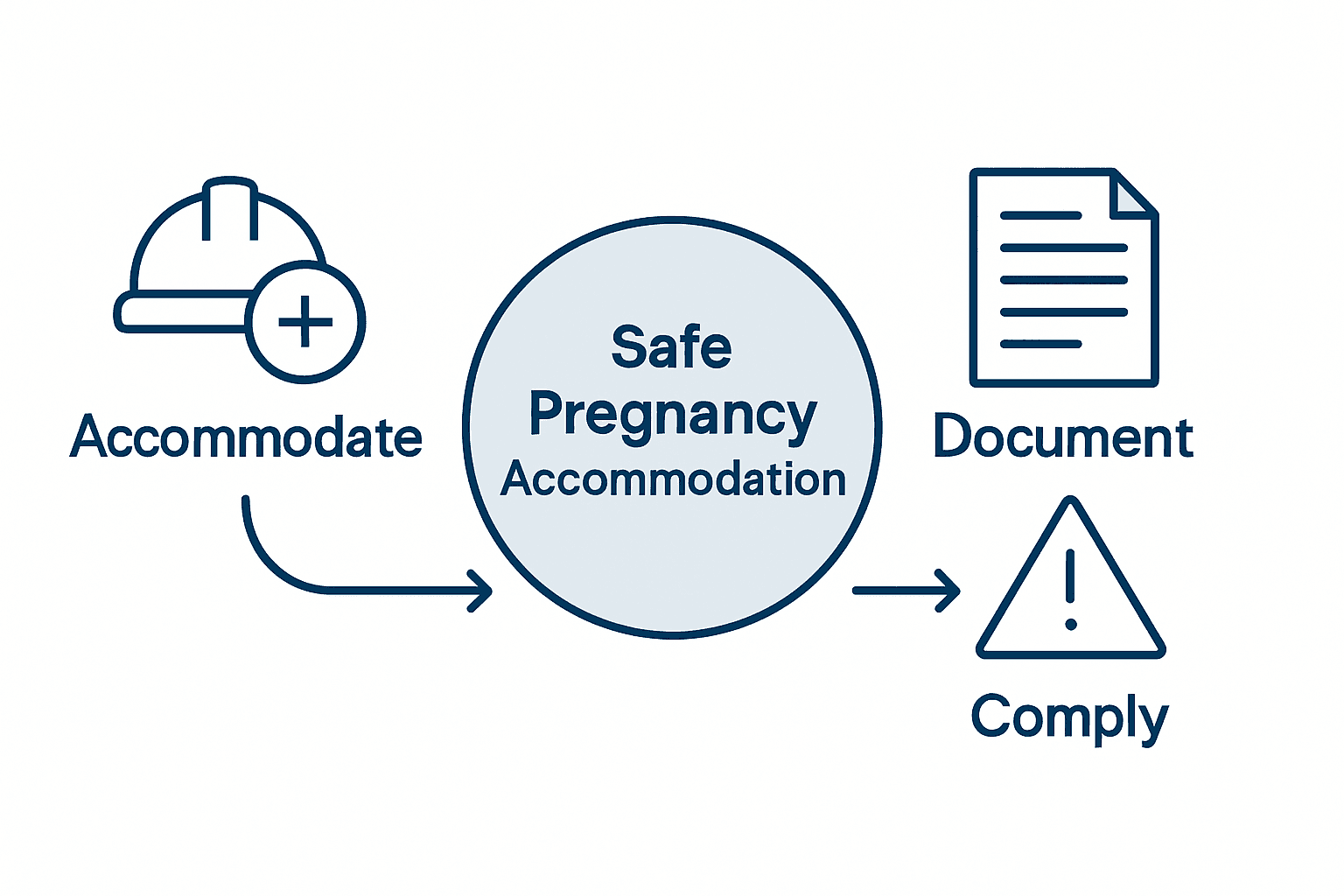
Pro Tip for Risk Mitigation: Develop a comprehensive internal protocol that systematically documents all pregnancy accommodation requests, management responses, and workplace modifications to create a defensible record of good-faith compliance efforts.
Protect Your Rights in Pregnancy Accommodation Disputes in Garden Grove Warehouses
Pregnant workers in physically demanding warehouse jobs often face serious challenges when employers fail to provide legally required accommodations. From denied modified duties to forced unpaid leave, the pain points include discrimination, retaliation, and unsafe working conditions that put both health and livelihood at risk. Understanding the complex legal protections under the Pregnant Workers Fairness Act and related laws is essential to safeguard your rights and prevent unjust treatment on the job.
If you are experiencing pregnancy discrimination or workplace accommodation issues in Garden Grove, do not wait until it is too late. Our experienced team at Serendib Law Firm is dedicated to helping employees navigate these complex matters with personalized advocacy that fights for fair treatment and legal compliance. Explore our Pregnancy Discrimination Archives for valuable insights and contact us directly through https://serendiblaw.com to schedule a free consultation. Act now to protect your health, your job, and your future with trusted legal support. You can also find more local resources in our Garden Grove Archives.
Frequently Asked Questions
What are pregnancy accommodation laws?
Pregnancy accommodation laws require employers to provide reasonable adjustments to the workplace for pregnant employees, ensuring their health and safety while allowing them to perform their job duties effectively.
What common accommodations can be expected in a warehouse setting for pregnant workers?
Common accommodations in warehouses may include modified job duties, reduced lifting requirements, flexible break schedules, and temporary reassignment to less physically demanding roles to ensure the health of the expectant mother.
What legal protections do pregnant workers have against discrimination?
Pregnant workers are protected under laws such as the Pregnant Workers Fairness Act, which mandates reasonable workplace accommodations and prohibits discrimination based on pregnancy-related conditions.
What should a pregnant worker do if they face discrimination at work?
If a pregnant worker faces discrimination, they should document all communications regarding their accommodations and report the issue to their human resources department. They may also seek legal advice if necessary.
Recommended
- Complete Guide to Pregnancy Leave Denials for Warehouse Workers | Serendib Law Firm
- Pregnancy Accommodations in Santa Ana Tech Sector: Complete Guide | Serendib Law Firm
- Understanding Pregnancy Discrimination Cases Against Large Retail Employers | Serendib Law Firm
- Pregnancy Discrimination and Light Duty Denials: Santa Ana Guide | Serendib Law Firm