Every American retail worker deserves the freedom to express their faith without fear of discrimination, yet nearly one in four employees faces challenges over religious attire at work. Retail dress codes do more than set rules for appearance. They shape who feels welcome on the job. This guide sheds light on the rights, risks, and real stories behind religious dress codes in American retail, helping both employees and employers make informed, respectful choices.
Table of Contents
- What Are Religious Dress Codes in Retail?
- Types of Religious Garments in the Workplace
- Legal Protections for Tustin Retail Employees
- Common Disputes Over Hijabs and Yarmulkes
- Employer Responsibilities and Legal Risks
- Filing Complaints or Seeking Legal Action
Key Takeaways
| Point | Details |
|---|---|
| Religious Dress Codes | Retail employers must create dress code policies that accommodate employees’ religious attire while maintaining professional standards. |
| Legal Protections | Employees are protected against discrimination and have the right to request reasonable accommodations for their religious practices. |
| Dispute Resolution | Retail workers facing discrimination can document incidents and file complaints to seek resolution and compensation. |
| Employer Responsibilities | Employers bear the burden of proving substantial operational disruption to justify restrictions on religious attire and risk legal consequences for non-compliance. |
What Are Religious Dress Codes in Retail?
Religious dress codes in retail represent complex workplace guidelines that intersect personal faith practices with professional appearance standards. These policies define what clothing, accessories, and personal grooming choices are acceptable for employees while balancing individual religious expression and employer expectations. Religious dress accommodations have become increasingly important in modern workplace environments, particularly in customer-facing retail settings.
According to U.S. Equal Employment Opportunity Commission guidance, employers must provide reasonable accommodations for employees’ religious attire and grooming practices. This means retail workers can typically wear religious garments like hijabs, yarmulkes, turbans, or other traditional clothing items that reflect their faith, provided these items do not create safety hazards or significantly disrupt business operations. The key is finding a balanced approach that respects both employee religious freedoms and workplace standards.
Specific religious dress code considerations in retail often include guidelines around:
- Head coverings and religious hair practices
- Jewelry with religious significance
- Modest clothing requirements
- Facial hair and grooming standards
- Exceptions for safety equipment or uniform policies
While employers have some discretion in establishing dress codes, federal law prohibits discriminating against employees based on their religious beliefs or practices. Retail managers must carefully craft policies that accommodate diverse religious expressions while maintaining professional appearance standards. This means developing nuanced guidelines that recognize individual faith practices without imposing undue burdens on employees or compromising workplace functionality.
Types of Religious Garments in the Workplace
Religious garments represent deeply personal expressions of faith that intersect with professional workplace environments. These clothing items and accessories are integral to many employees’ religious identities and practices, ranging from traditional head coverings to specific styles of modest dress. Religious attire encompasses a wide variety of garments that hold significant cultural and spiritual meaning for individuals across different faith traditions.
Workplace anti-discrimination guidelines recognize several common types of religious garments that employees may wear. These include:
- Hijabs: Traditional head coverings worn by Muslim women
- Yarmulkes: Skull caps worn by Jewish men
- Turbans: Head coverings worn by Sikh men and women
- Crosses or religious jewelry: Symbolic accessories representing various faith traditions
- Modest clothing: Specific dress styles that reflect religious beliefs about appropriate attire
Under legal protections for religious expression, employers must provide reasonable accommodations for these garments unless they create genuine safety risks or significant operational challenges. This means retail workers and employees in various industries can typically maintain their religious dress practices while fulfilling their professional responsibilities. The key consideration is striking a balance between individual religious expression and workplace functionality.
The complexity of religious garments extends beyond simple clothing choices. Each piece of religious attire carries deep cultural and spiritual significance, representing not just a fashion choice but a fundamental aspect of personal identity. Workplace policies must recognize this nuance, approaching religious dress with respect, understanding, and a commitment to creating inclusive environments that value diversity and individual belief systems.

Legal Protections for Tustin Retail Employees
Tustin retail employees enjoy robust legal protections regarding religious dress and workplace discrimination, grounded in both federal and California state laws. These protections ensure workers can express their religious identity without fear of professional retaliation or unfair treatment. Workplace religious accommodations represent a critical legal framework that safeguards employees’ fundamental rights to practice their faith while maintaining professional responsibilities.
Legal standards for religious accommodation mandate that employers must provide reasonable adjustments for religious practices, including dress codes and grooming requirements. Critically, customer preferences or minor inconveniences cannot justify denying these accommodations. Retail workers in Tustin are protected against discrimination based on their religious attire, with employers required to make good-faith efforts to integrate religious expressions into standard workplace appearance guidelines.
Key legal protections for Tustin retail employees include:
- Protection against workplace discrimination
- Right to reasonable religious dress accommodations
- Prohibition of retaliation for requesting religious accommodations
- Legal recourse for violations of religious expression rights
- Protection from harassment based on religious appearance
Workplace discrimination laws provide comprehensive safeguards that extend beyond simple dress code considerations. These protections recognize that religious identity is a fundamental aspect of personal expression and that employees should not face professional barriers or negative consequences for maintaining their religious practices. For Tustin retail workers, this means having the legal right to wear religious garments, maintain specific grooming practices, and work in an environment that respects individual faith traditions without compromising professional standards.
Common Disputes Over Hijabs and Yarmulkes
Religious head coverings represent some of the most frequent sources of workplace discrimination, particularly in customer-facing retail environments. Hijabs worn by Muslim women and yarmulkes worn by Jewish men often become focal points of complex legal and cultural negotiations between employees’ religious practices and employer dress code expectations. These small but deeply meaningful garments symbolize personal faith while simultaneously challenging workplace appearance standards.
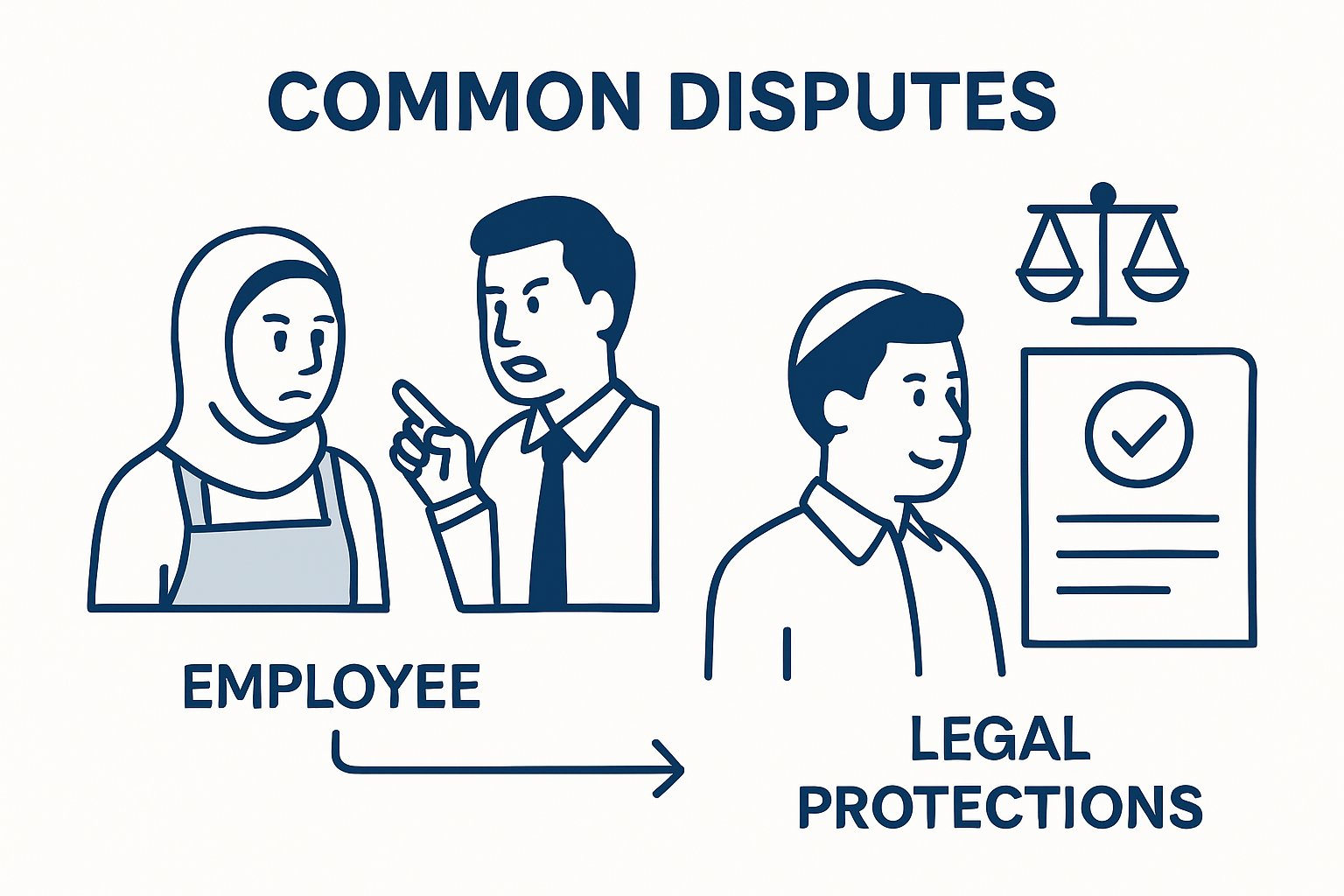
Workplace religious accommodation guidelines clearly stipulate that employers cannot deny employees the right to wear religious head coverings based on customer preferences or minor workplace inconveniences. Common disputes typically emerge from misconceptions about how these religious garments might impact professional appearance or customer interactions. Critically, employers must demonstrate substantial operational disruption to justify restricting an employee’s religious attire, a standard that is rarely met in practical workplace scenarios.
Typical dispute scenarios involving hijabs and yarmulkes include:
- Uniform policy conflicts
- Management claims about “professional appearance”
- Customer discomfort or perceived negative reactions
- Assumptions about safety or hygiene
- Inconsistent enforcement of dress code standards
Legal protections for religious expression ensure that retail workers can confidently maintain their religious identity while performing professional duties. These protections recognize that religious head coverings are not merely accessories but fundamental expressions of personal faith. Employers who attempt to restrict or discriminate against employees wearing hijabs or yarmulkes face potential legal consequences, including monetary penalties and mandatory workplace training on religious accommodation requirements.
Employer Responsibilities and Legal Risks
Workplace religious accommodation represents a critical legal obligation that extends far beyond simple dress code considerations. Retail employers must carefully navigate the complex landscape of religious expression, balancing operational needs with employees’ fundamental rights to practice their faith. The potential legal consequences of mishandling religious dress accommodations can be substantial, creating significant financial and reputational risks for businesses.
Workplace accommodation guidelines establish clear standards for employer responsibilities. Specifically, businesses must demonstrate genuine operational hardship to justify restricting religious dress, a standard that is intentionally difficult to meet. Legal risks for non-compliance include:
- Costly discrimination lawsuits
- Mandatory workplace training
- Potential monetary penalties
- Damage to company reputation
- Potential federal and state investigations
Legal protections for religious expression underscore the serious consequences of discriminatory practices. Employers who attempt to restrict religious attire without proving substantial operational disruption face significant legal challenges. This means retail managers must develop nuanced, inclusive policies that respect individual religious practices while maintaining professional standards. The key is creating flexible guidelines that accommodate diverse religious expressions without compromising workplace functionality or safety requirements.
Filing Complaints or Seeking Legal Action
Religious discrimination complaints represent a critical pathway for retail workers to protect their rights and challenge workplace violations. Employees experiencing discrimination based on religious dress or grooming practices have multiple legal avenues to seek resolution and potential compensation. Understanding the complaint process is essential for effectively defending personal religious freedoms in the workplace.
Workplace discrimination complaint procedures typically involve several strategic steps. Retail workers must first document specific instances of discrimination, including dates, witnesses, and detailed descriptions of discriminatory actions. The recommended action sequence includes:
- Reporting incidents to human resources
- Collecting supporting documentation
- Filing internal workplace grievances
- Consulting with employment law specialists
- Submitting formal complaints to state or federal agencies
Legal strategies for addressing workplace discrimination emphasize the importance of timely and precise documentation. Employees should be prepared to demonstrate how their religious dress practices were unfairly restricted or penalized. Potential legal remedies may include monetary compensation, workplace policy changes, mandatory training, and reinstatement of employment. The key is presenting a clear, factual narrative that demonstrates how an employer’s actions violated established legal protections for religious expression in the workplace.
Protect Your Rights as a Tustin Retail Worker Facing Religious Dress Code Challenges
Navigating religious dress code issues at work can be overwhelming and emotionally draining. If you are a retail employee in Tustin struggling to maintain your faith practices such as wearing a hijab or yarmulke while meeting your employer’s professional standards, you are not alone. These conflicts often involve critical concerns around discrimination, retaliation, and reasonable accommodations. Understanding your rights under California and federal law is the first step toward protecting your personal identity and employment status.
At Serendib Law Firm, we are dedicated to helping Tustin workers who face these complex challenges. Our experienced team can guide you through legal protections related to religious expression in the workplace and fight against unjust dress code restrictions. Don’t wait until your rights are compromised. Explore how we can assist you by visiting our Tustin Archives or learn more about your protections in California employment law through the California Archives. Reach out today to receive a free consultation and take empowered action by visiting Serendib Law Firm. Your faith and your job deserve respect. Let us help you secure both.
Frequently Asked Questions
What are reasonable accommodations for religious dress in retail workplaces?
Employers are required to provide reasonable accommodations for employees’ religious attire and grooming practices, allowing workers to wear items like hijabs, yarmulkes, and turbans, as long as they do not pose safety risks or disrupt business operations.
What types of religious garments are commonly accepted in retail settings?
Common religious garments include hijabs worn by Muslim women, yarmulkes worn by Jewish men, turbans worn by Sikh individuals, and various forms of modest clothing and religious jewelry, all of which reflect an individual’s faith.
What legal protections exist for employees regarding religious dress codes?
Employees are protected against workplace discrimination based on their religious beliefs, entitling them to request accommodations for their religious dress without facing retaliation or unfair treatment.
How can retail employees address discrimination based on religious dress?
Employees experiencing discrimination should document specific incidents, report them to human resources, and may consider filing formal complaints with state or federal agencies to seek resolution and possible compensation.
Recommended
- Religious Dress Disputes: Complete Guide for Fountain Valley | Serendib Law Firm
- Religious Dress Code Discrimination: Complete Guide | Serendib Law Firm
- Experienced Tustin Workplace Discrimination Lawyers
- Religious Discrimination in Garden Grove Food Service | Serendib Law Firm
- Complete Guide to Christian Dressing Guidelines – Walk In His Footsteps