
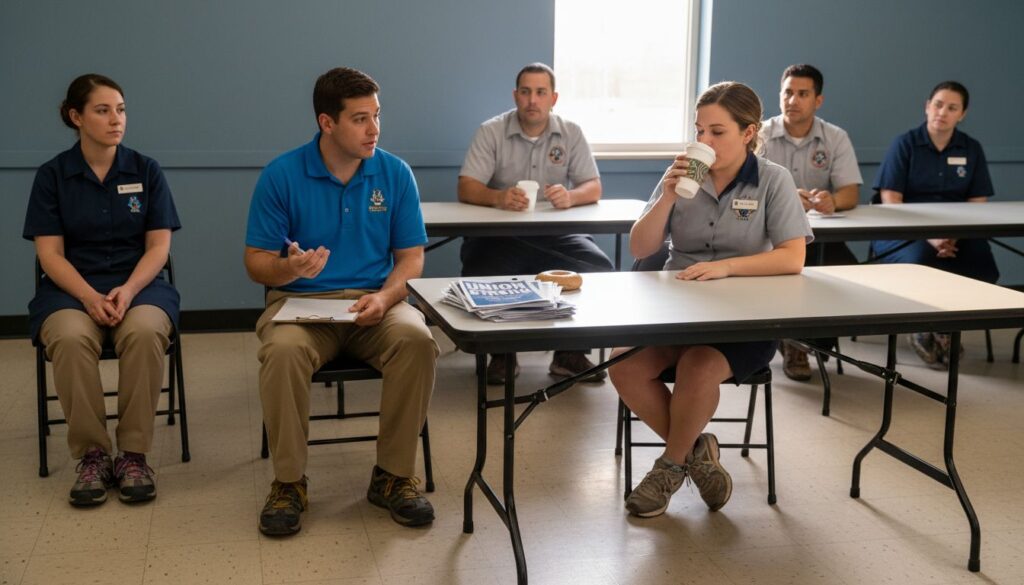
Every American visitor to Disneyland enjoys the seamless magic crafted by thousands of dedicated employees, but behind the scenes, negotiation tables are where critical decisions get made. Over 17,000 Cast Members are impacted by the ongoing union contract negotiations, making this more than just a company concern. Fair wages, workplace protections, and job security are on the line as these talks unfold. Understanding what is at stake sheds light on the real stories behind Disneyland’s world-class experiences.
Table of Contents
- Union Contract Negotiations at Disneyland
- Labor Law Basics for Disneyland Employees
- Collective Bargaining: Steps and Protections
- Legal Rights for Cast Members in Negotiations
- Common Disputes and Resolution Mechanisms
Key Takeaways
| Point | Details |
|---|---|
| Union Negotiations | Disneyland Cast Members are engaged in critical negotiations for fair wages and workplace protections, directly impacting their job security and working conditions. |
| Legal Rights | California labor laws provide essential protections for employees, including safeguards against discrimination, ensuring fair compensation and workplace safety. |
| Collective Bargaining | Through collective bargaining, Cast Members unify to negotiate comprehensive agreements, establishing formal mechanisms to address workplace disputes and protect employee rights. |
| Dispute Resolution | Structured dispute resolution processes allow Cast Members to address workplace conflicts effectively, with options ranging from internal grievances to arbitration when necessary. |
Union Contract Negotiations at Disneyland
Disneyland’s union contract negotiations represent a critical moment for Cast Members seeking fair workplace protections and compensation. These ongoing discussions involve complex labor relations between Walt Disney Parks and Entertainment unions representing thousands of employees who bring the magic to life every day. Cast Members are negotiating crucial terms that impact their working conditions, wages, and overall job security.
The current negotiation landscape involves multiple unions representing different worker groups, including service employees, technical workers, and performers. Unionization efforts at Disneyland have historically focused on securing competitive wages, healthcare benefits, and workplace safety standards. Key negotiation points typically include wage increases that match rising living costs in Orange County, comprehensive healthcare coverage, and protections against arbitrary scheduling practices.
Union representatives are particularly focused on addressing issues that emerged during and after the COVID-19 pandemic. Workers are seeking stronger job security provisions, enhanced health and safety protocols, and compensation that reflects the unique challenges faced by entertainment industry employees. The negotiations also aim to establish clear guidelines for worker classifications, overtime compensation, and workplace conduct standards. By engaging in these collaborative discussions, Cast Members hope to achieve a contract that recognizes their essential role in creating magical experiences while ensuring fair treatment and sustainable working conditions.
The outcome of these contract talks will likely have significant implications for labor relations in the entertainment industry. Successful negotiations could set precedent for how large entertainment corporations approach worker rights and compensation. Cast Members are united in their commitment to securing a contract that respects their contributions and provides a stable, supportive work environment that allows them to continue delivering the exceptional experiences Disneyland is known for worldwide.
Labor Law Basics for Disneyland Employees
Disneyland Cast Members operate within a complex legal landscape that requires understanding fundamental employment rights and protections. Labor laws in California provide critical safeguards for workers across various industries, with specific provisions that directly impact entertainment and service sector employees. These legal frameworks establish essential standards for wages, working conditions, workplace safety, and employee treatment.
One critical aspect of labor law involves wage and hour regulations that protect workers from unfair compensation practices. For Disneyland employees, this means guaranteed minimum wage, overtime pay, meal and rest break requirements, and protection against unpaid work time. California’s robust labor code provides additional protections beyond federal standards, ensuring that entertainment industry workers receive fair compensation for their unique work schedules and demanding performance requirements.
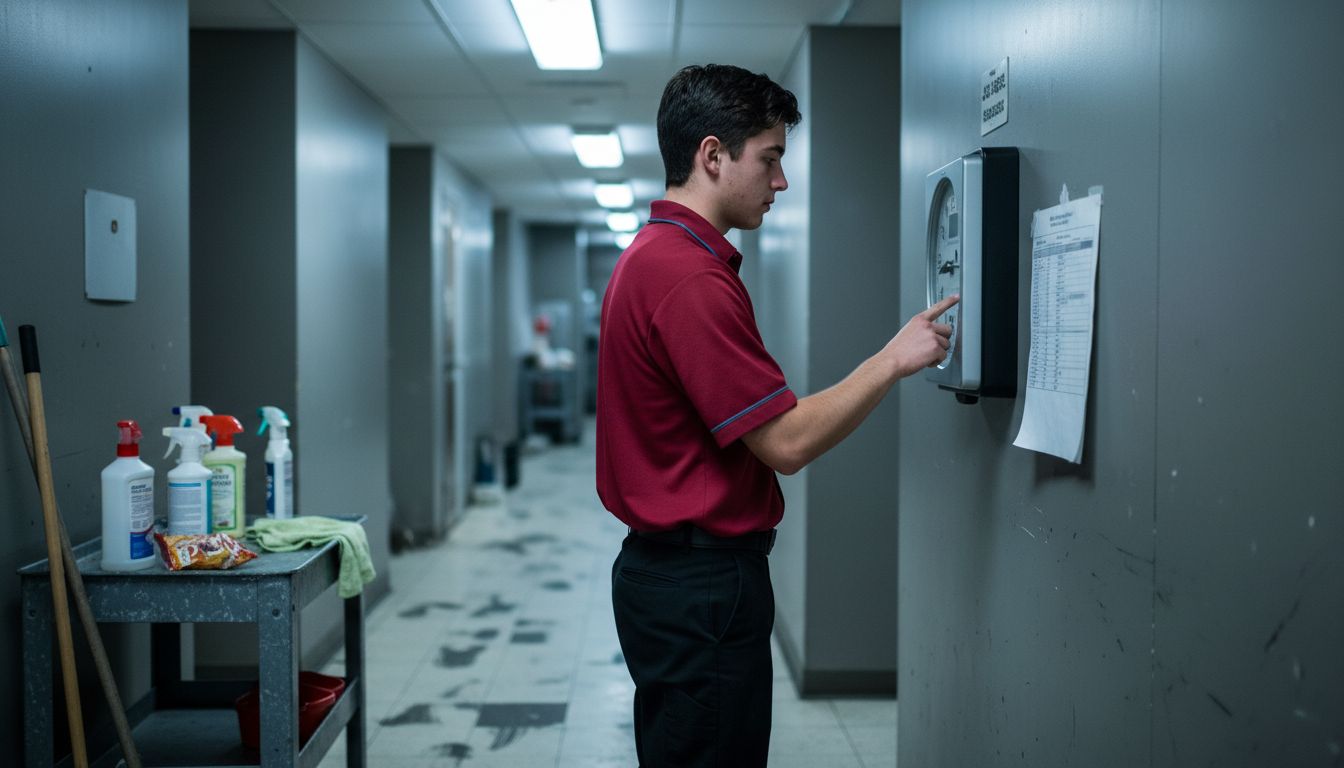
Workplace discrimination, harassment, and retaliation protections form another crucial component of labor law for Cast Members. State and federal regulations prohibit discrimination based on race, gender, age, disability, national origin, and other protected characteristics. These laws ensure that employees can work in an environment free from hostile conditions and have legal recourse if their rights are violated. Disneyland, like other large employers, must maintain comprehensive policies that prevent discriminatory practices and provide clear mechanisms for reporting and addressing workplace misconduct.
Understanding these legal basics empowers Cast Members to recognize their rights and take appropriate action when workplace violations occur. While navigating employment law can seem complex, workers are not alone in protecting their interests. Legal resources and employment attorneys specialize in helping employees understand their rights, investigate potential violations, and seek appropriate remedies when workplace standards are not met. Knowledge of these fundamental labor law principles is the first step in ensuring a fair, safe, and respectful work environment for all Disneyland employees.
Collective Bargaining: Steps and Protections
Collective bargaining represents a fundamental mechanism for Disneyland Cast Members to negotiate workplace conditions, compensation, and rights as a unified workforce. Collective bargaining is a structured legal process where union representatives engage directly with management to establish comprehensive employment agreements that protect worker interests and establish clear workplace standards.
The collective bargaining process typically involves several critical stages. Initially, union representatives conduct comprehensive surveys and gather input from Cast Members to identify key negotiation priorities. Wage and hour claims often emerge as primary concerns, including fair compensation, overtime regulations, and workplace safety provisions. Negotiation teams then develop detailed proposals addressing these concerns, preparing for formal discussions with Disney management.
During negotiations, both union representatives and management engage in good-faith discussions to reach mutually acceptable contract terms. This process involves multiple rounds of proposals, counterproposals, and potential compromises. Key negotiation areas typically include wage structures, healthcare benefits, job security provisions, workplace safety protocols, and grievance resolution mechanisms. If initial negotiations reach an impasse, federal and state labor laws provide mechanisms for mediation and potential arbitration to resolve outstanding disputes.
Protections afforded through collective bargaining extend far beyond immediate contractual terms. The process empowers workers by establishing formal channels for addressing workplace concerns, preventing unilateral policy changes, and ensuring consistent application of employment standards. Cast Members gain critical legal safeguards that protect against arbitrary disciplinary actions, guarantee due process in workplace disputes, and create transparent mechanisms for addressing potential workplace violations. By participating in collective bargaining, Disneyland employees transform from individual workers to a unified force capable of effectively advocating for their professional interests and workplace rights.
Legal Rights for Cast Members in Negotiations
Disneyland Cast Members possess a comprehensive set of legal rights that protect their interests during contract negotiations and workplace interactions. Legal protections form a critical shield ensuring fair treatment, preventing potential workplace abuses, and establishing clear boundaries for employer-employee relationships. These rights are grounded in state and federal labor laws that provide robust safeguards for entertainment industry workers.
Key legal rights include protection against discriminatory practices and workplace harassment. Workplace harassment claims are particularly important in the entertainment industry, where unique performance and interpersonal dynamics can create complex workplace environments. Cast Members have the legal right to negotiate contract provisions that explicitly address potential harassment scenarios, establish clear reporting mechanisms, and ensure swift, impartial investigations of any misconduct allegations.
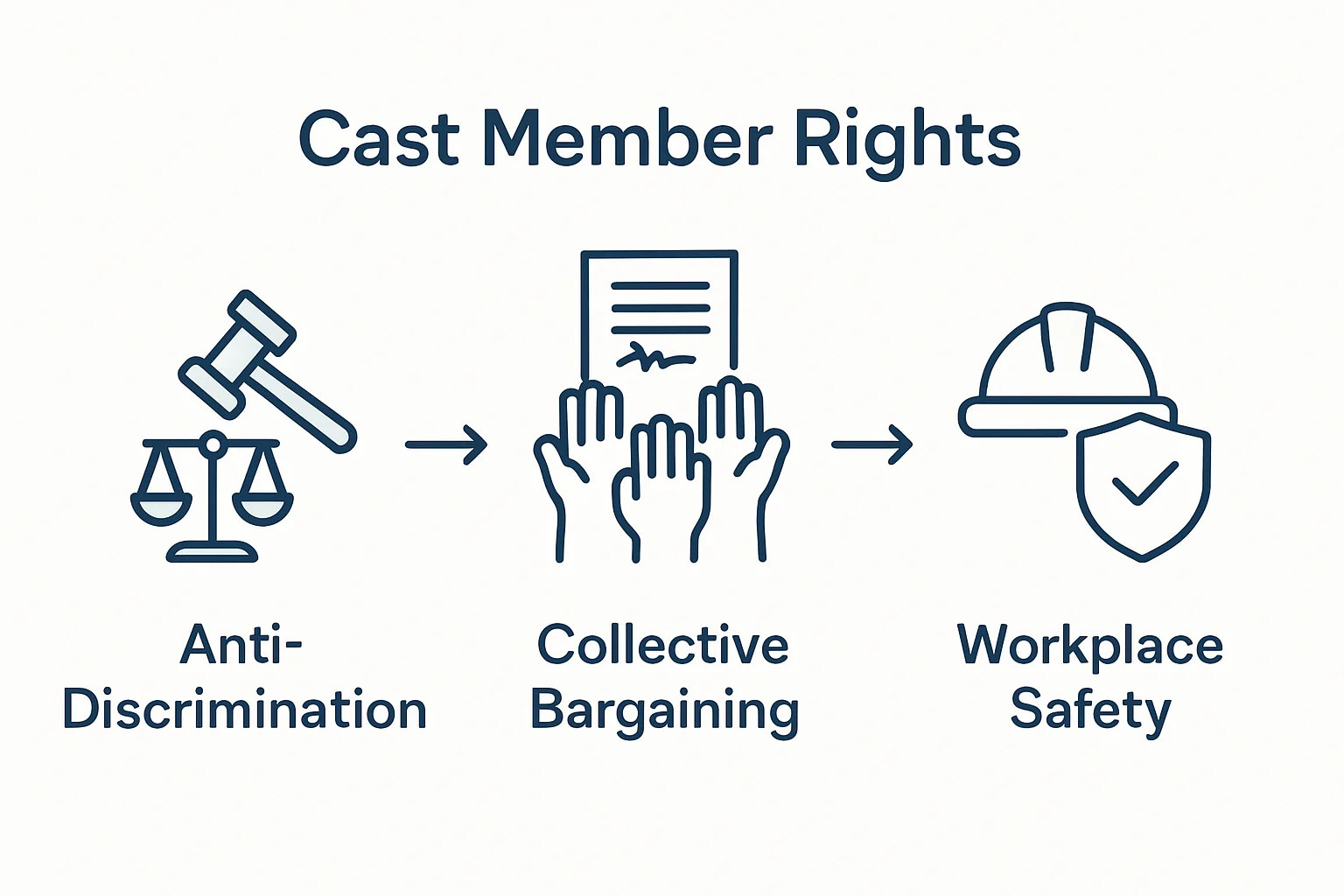
The negotiation process itself is protected by specific legal frameworks that guarantee workers’ rights to collective representation. Cast Members can legally engage in negotiations without fear of retaliation, with federal laws protecting their ability to discuss working conditions, challenge unfair practices, and seek meaningful improvements in their employment terms. This includes the right to representation by union officials, protection against intimidation or coercion during negotiations, and legal recourse if management violates established negotiation protocols.
Beyond immediate contract terms, Cast Members’ legal rights extend to broader workplace protections. These include guaranteed minimum wage standards, overtime compensation, meal and rest break requirements, and protection against arbitrary disciplinary actions. The legal framework empowers workers to challenge unfair practices, seek remedies for workplace violations, and maintain a safe, respectful work environment. By understanding and asserting these rights, Disneyland employees can effectively advocate for their professional interests and ensure their workplace experiences align with established legal standards.
Common Disputes and Resolution Mechanisms
Disneyland Cast Members frequently encounter workplace disputes that require structured resolution mechanisms designed to protect their professional interests and maintain workplace harmony. Dispute resolution involves a multi-tiered approach that provides employees with progressive options for addressing workplace conflicts, ranging from informal discussions to formal legal interventions.
The initial stages of dispute resolution typically involve internal grievance procedures established within the collective bargaining agreement. Wage and hour claims often represent a significant category of workplace disputes, with Cast Members challenging compensation calculations, overtime allocations, and payment discrepancies. Union representatives play a critical role in these early resolution stages, serving as intermediaries who can negotiate directly with management to resolve issues before they escalate to more formal proceedings.
When internal resolution mechanisms fail, Cast Members have access to additional dispute resolution pathways. These include mediation, where a neutral third party facilitates negotiations between employees and management, and arbitration, a more formal process where an independent arbitrator renders a binding decision. State and federal labor laws provide robust protections that ensure workers can pursue these resolution mechanisms without fear of retaliation. Potential dispute areas include workplace discrimination, harassment claims, wrongful termination, scheduling conflicts, and violations of negotiated contract terms.
The legal framework surrounding dispute resolution emphasizes fair and transparent processes that balance the interests of both employees and employers. Cast Members are protected by comprehensive legal safeguards that guarantee their right to challenge workplace conditions, seek appropriate remedies, and maintain professional dignity. By understanding and strategically utilizing these resolution mechanisms, Disneyland employees can effectively address workplace challenges, protect their rights, and contribute to a more equitable and responsive work environment.
Protect Your Rights During Disneyland Union Contract Negotiations
Disneyland Cast Members face the challenge of securing fair wages, improved workplace protections, and strong legal safeguards in complex union contract talks. Key issues like wage increases, healthcare benefits, and safe work conditions require knowledgeable advocacy to ensure Cast Members’ voices are heard and respected. If you are navigating disputes related to compensation or workplace policies, understanding your rights under California labor laws can make all the difference.
At Serendib Law Firm, we stand ready to support Disneyland employees with expert guidance on wage violations and meal and rest break protections. Our Orange County attorneys provide personalized assistance to defend your workplace rights and help achieve fair treatment. Do not wait until uncertainty affects your job security or compensation outcomes. Visit Serendib Law Firm today for a free consultation and take the first step toward securing the protections you deserve.
Frequently Asked Questions
What are the key issues being negotiated in Disneyland’s union contract talks?
The key issues include wage increases to keep up with living costs, comprehensive healthcare coverage, protections against arbitrary scheduling practices, and stronger job security provisions, particularly in light of challenges arising from the COVID-19 pandemic.
How do collective bargaining processes work for Disneyland Cast Members?
Collective bargaining involves union representatives negotiating with management to establish employment agreements. The process includes phases like gathering input from Cast Members, developing proposals, and engaging in discussions until a mutual agreement is reached, with provisions for mediation if necessary.
What legal rights do Disneyland Cast Members have during contract negotiations?
Cast Members have rights protecting them against discriminatory practices, harassment, and retaliation. They can engage in collective negotiations without fear, seek representation from union officials, and pursue remedies if management violates negotiation protocols.
What are some common workplace disputes faced by Disneyland employees, and how are they resolved?
Common disputes include wage and hour claims, workplace discrimination, and scheduling conflicts. Resolution mechanisms start with internal grievance procedures and can escalate to mediation and arbitration, ensuring fair treatment and protection from retaliation.