
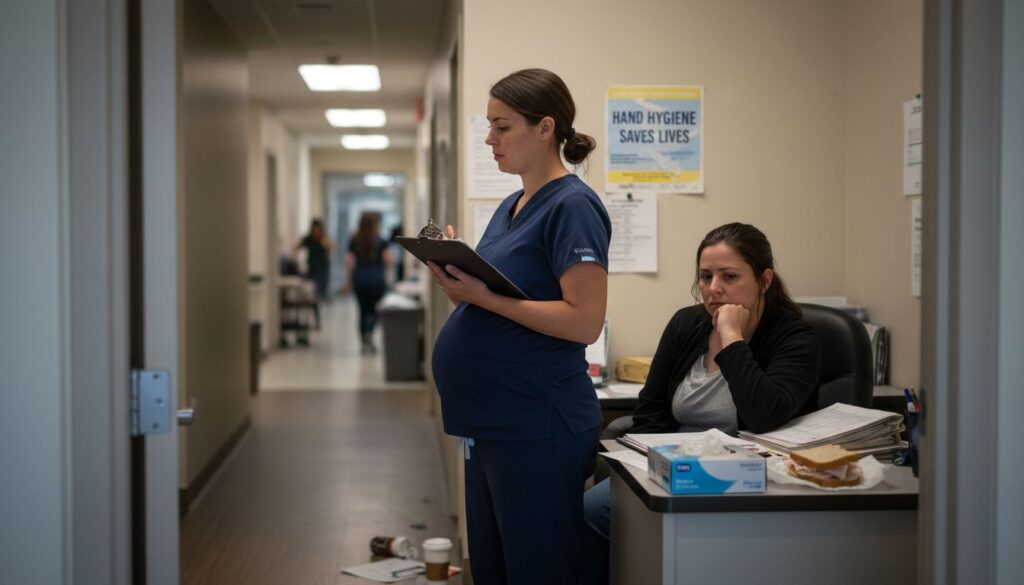
Over one in five American healthcare workers report facing pregnancy discrimination in clinical workplaces, a number that highlights an often hidden reality. For many professionals in Orange County clinics, pregnancy retaliation is not just a distant concern. It can affect job security, limit career growth, and cause lasting stress. Understanding your rights and the protections available is the first step toward safer, fairer working conditions in American healthcare settings.
Table of Contents
- Pregnancy Retaliation in Orange Clinics Defined
- Understanding CFRA Leave and Eligibility Requirements
- Recognizing Retaliation After CFRA Leave Requests
- Legal Protections for Pregnant Employees in Orange
- Steps to Take If Retaliation Occurs
- Seeking Legal Support and Remedies
Key Takeaways
| Point | Details |
|---|---|
| Pregnancy Retaliation Defined | Employers must not take adverse actions against employees due to pregnancy, including unfair treatment or reduced hours. |
| Legal Protections Under CFRA | Eligible employees are entitled to job-protected leave for pregnancy-related medical situations and must meet specific eligibility criteria. |
| Recognizing Retaliation | Retaliation can manifest through various adverse actions after taking CFRA leave, necessitating careful documentation and reporting. |
| Steps to Address Retaliation | Employees should document incidents, report to HR, and explore legal remedies if subjected to workplace retaliation. |
Pregnancy Retaliation in Orange Clinics Defined
Healthcare professionals in Orange County face significant challenges when experiencing pregnancy-related workplace discrimination. Pregnancy retaliation occurs when an employer takes adverse action against a worker because of pregnancy, pregnancy-related medical conditions, or pregnancy leave requests. In medical settings like clinics, this can manifest through unfair treatment, reduced hours, denied promotions, or wrongful termination.
Under federal law, pregnancy discrimination is strictly prohibited. The U.S. Equal Employment Opportunity Commission (EEOC) defines such discrimination as treating a woman unfavorably due to pregnancy, childbirth, or related medical conditions. In clinical environments, this might include scenarios where a nurse is passed over for assignments, a medical technician is demoted after announcing her pregnancy, or an administrator faces reduced responsibilities after requesting medical accommodations.
Orange County clinics must understand that pregnancy retaliation extends beyond direct termination. It encompasses a range of discriminatory practices, including:
- Reducing job responsibilities
- Excluding pregnant employees from professional development opportunities
- Creating hostile work environments
- Denying reasonable workplace accommodations
- Implementing punitive scheduling changes
Employees experiencing pregnancy discrimination in healthcare settings have robust legal protections. California Family Rights Act (CFRA) and federal laws like the Pregnancy Discrimination Act provide comprehensive safeguards. Documenting incidents, maintaining professional communication, and seeking legal counsel can help protect your workplace rights and prevent unlawful treatment.
Understanding CFRA Leave and Eligibility Requirements
The California Family Rights Act (CFRA) provides critical workplace protections for employees facing significant personal and family medical situations. Eligible employees have the right to take unpaid, job-protected leave for specific circumstances that impact their personal or family health. Overlapping leave requests can be complex, requiring careful navigation of legal requirements and workplace policies.
To qualify for CFRA leave, employees must meet specific eligibility criteria. According to California’s Department of Fair Employment and Housing, workers must have worked for their employer for at least 12 months and completed 1,250 hours of service in the preceding 12-month period. This means part-time and seasonal workers may not automatically qualify for protected leave, making it essential to understand the precise requirements before making a leave request.
CFRA provides protection for various significant life events and medical conditions, including:
- Birth or adoption of a child
- Caring for a seriously ill family member
- Personal serious health conditions preventing work performance
- Pregnancy-related medical complications
- Bonding with a new child within 12 months of birth or placement
Employees should be aware that while CFRA leave is typically unpaid, they may be required to use accumulated paid leave like vacation or sick time during their absence. Understanding these nuanced requirements can help workers protect their rights and effectively manage workplace leave situations, ensuring they receive the job protection and support they deserve under California law.

Recognizing Retaliation After CFRA Leave Requests
Workplace retaliation following CFRA leave is a serious violation of employee rights that can manifest in subtle and overt ways. Workplace retaliation occurs when an employer takes adverse action against an employee for exercising their legal right to protected medical or family leave. Medical leave denials often serve as a critical indicator of potential discriminatory practices targeting workers who utilize their legal protections.
The Department of Fair Employment and Housing clearly defines retaliation as any adverse employment action taken against an employee for requesting or taking protected leave. These retaliatory actions can include:
- Unexpected performance reviews with negative ratings
- Reduced work hours or shift changes
- Exclusion from team meetings or professional opportunities
- Sudden changes in job responsibilities
- Harassment or creation of a hostile work environment
- Unexplained termination shortly after returning from leave
Employees must carefully document any suspicious changes in workplace treatment following their CFRA leave. Evidence such as emails, performance records, and witness statements can be crucial in proving retaliatory conduct. Workers experiencing potential retaliation should maintain professional communication, keep detailed records of interactions, and consider consulting with an employment law attorney who can help protect their rights and seek appropriate legal remedies.
Legal Protections for Pregnant Employees in Orange
Pregnant employees in Orange County are afforded comprehensive legal protections designed to safeguard their workplace rights and prevent discriminatory practices. Pregnancy discrimination encompasses a wide range of unfair treatment, including hiring bias, unequal job assignments, and potential termination based on pregnancy status. Pregnancy discrimination and light duty denials represent critical areas where employees must understand their legal rights and potential recourse.
Federal and California state laws provide robust protections for pregnant workers. The Equal Employment Opportunity Commission enforces strict regulations prohibiting employers from taking adverse actions against employees due to pregnancy, childbirth, or related medical conditions. These legal protections require employers to:
- Provide reasonable workplace accommodations
- Maintain consistent job responsibilities
- Ensure equal opportunities for career advancement
- Prevent harassment or discriminatory treatment
- Allow necessary medical leave without penalty
- Protect against retaliatory actions
Employees experiencing pregnancy-related workplace challenges should document all interactions, maintain clear communication with human resources, and understand their rights under both federal and California employment laws. Seeking legal counsel can help pregnant workers navigate complex workplace situations, ensuring they receive fair treatment and protecting their professional opportunities throughout pregnancy and postpartum periods.
Steps to Take If Retaliation Occurs
Confronting workplace retaliation requires a strategic and methodical approach to protect your professional rights and legal interests. Workplace retaliation can be complex and emotionally challenging, making it crucial to document and respond carefully to any adverse actions taken against you. Workplace retaliation demands a proactive response that preserves your legal options and professional standing.
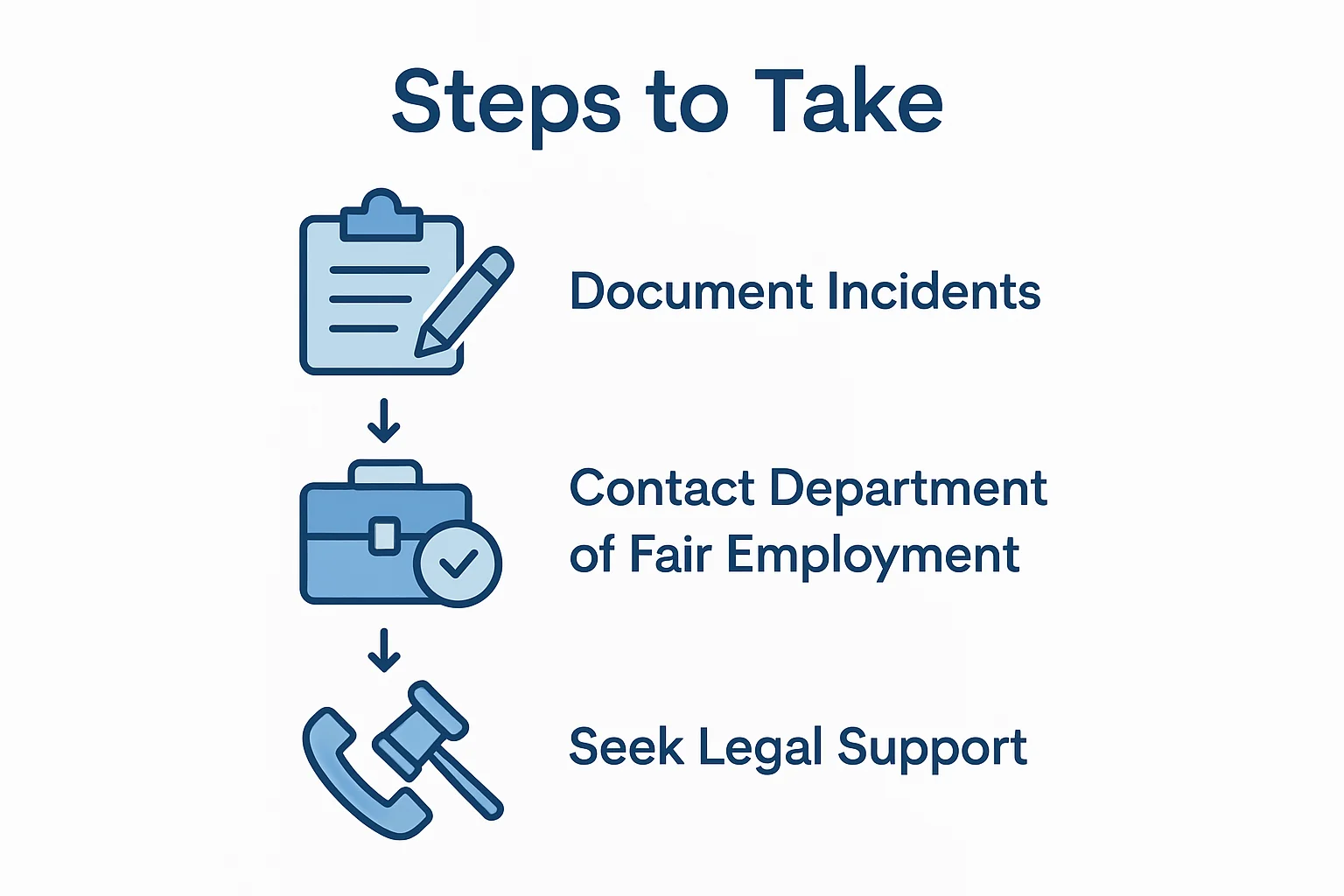
Employees experiencing retaliation should take the following critical steps to build a strong legal foundation:
- Thoroughly document all incidents of discriminatory treatment
- Collect and preserve relevant evidence, including:
- Emails and written communications
- Performance reviews
- Witness statements
- Dates and details of specific retaliatory actions
- Report incidents to human resources in writing
- File a formal complaint with appropriate state and federal agencies
Legal agencies provide critical pathways for addressing workplace retaliation. The Department of Fair Employment and Housing offers formal complaint processes that can investigate and potentially remedy workplace discrimination. Workers have multiple avenues for seeking justice, including filing administrative complaints, pursuing internal grievance procedures, and consulting with employment law attorneys who specialize in protecting employee rights in Orange County and throughout California.
Seeking Legal Support and Remedies
Navigation of pregnancy discrimination claims requires strategic legal intervention to protect employee rights and seek appropriate compensation. Legal remedies encompass multiple avenues for addressing workplace violations, ranging from administrative complaints to potential civil litigation. Whistleblower retaliation principles provide critical frameworks for understanding the broader landscape of employee protections.
Employees pursuing legal recourse have several potential remedies available:
- Monetary compensation for lost wages
- Front pay and reinstatement
- Compensation for emotional distress
- Punitive damages in cases of egregious misconduct
- Mandatory workplace policy changes
- Attorneys’ fees and legal costs
The Equal Employment Opportunity Commission offers comprehensive processes for investigating and addressing workplace discrimination. Potential legal strategies include filing administrative charges, participating in mediation, and pursuing litigation when necessary. Professional legal counsel can help evaluate the strength of a case, gather critical evidence, and navigate the complex legal systems designed to protect employees from discriminatory practices and pregnancy-related retaliation.
Protect Your Pregnancy Rights and CFRA Leave in Orange County
Facing pregnancy retaliation or challenges with your CFRA leave can be overwhelming and unfair. If you are dealing with reduced hours, denied accommodations, or hostile treatment after requesting pregnancy-related leave, you are not alone. Understanding your rights under California law is critical to stopping retaliation and preserving your job security. Important legal terms such as pregnancy discrimination, CFRA leave, and workplace retaliation define protections designed to shield you from mistreatment.
Do not wait to defend your rights. Our experienced attorneys at Serendib Law Firm specialize in helping Orange County workers navigate workplace retaliation and protected medical leaves. From thorough legal guidance on your CFRA eligibility to effective strategies against unlawful retaliation, we stand ready to advocate zealously for you. Explore our Leaves Archives and Retaliation Archives for detailed insights. Contact us at Serendib Law Firm today for a free consultation and take the crucial step toward protecting your job and your future.
Frequently Asked Questions
What is pregnancy retaliation in the workplace?
Pregnancy retaliation occurs when an employer takes adverse action against an employee because of pregnancy, related medical conditions, or pregnancy leave requests. This can include unfair treatment, reduced hours, or wrongful termination.
What protections does the California Family Rights Act (CFRA) offer for pregnant employees?
The CFRA provides job-protected leave for significant personal and family medical situations, including pregnancy. This means employees can take unpaid leave without fear of losing their job for qualified reasons such as caring for a newborn or dealing with serious health conditions.
What should I do if I experience retaliation after taking CFRA leave?
If you experience retaliation after taking CFRA leave, document all incidents of unfair treatment, collect evidence like emails and performance reviews, report the incidents to human resources, and consider filing a formal complaint with relevant agencies.
How can I seek legal remedies for pregnancy discrimination or retaliation?
Employees can seek legal remedies such as monetary compensation for lost wages, reinstatement, and punitive damages. Hiring an employment law attorney can help navigate the legal system and develop a strong case against discriminatory practices.