
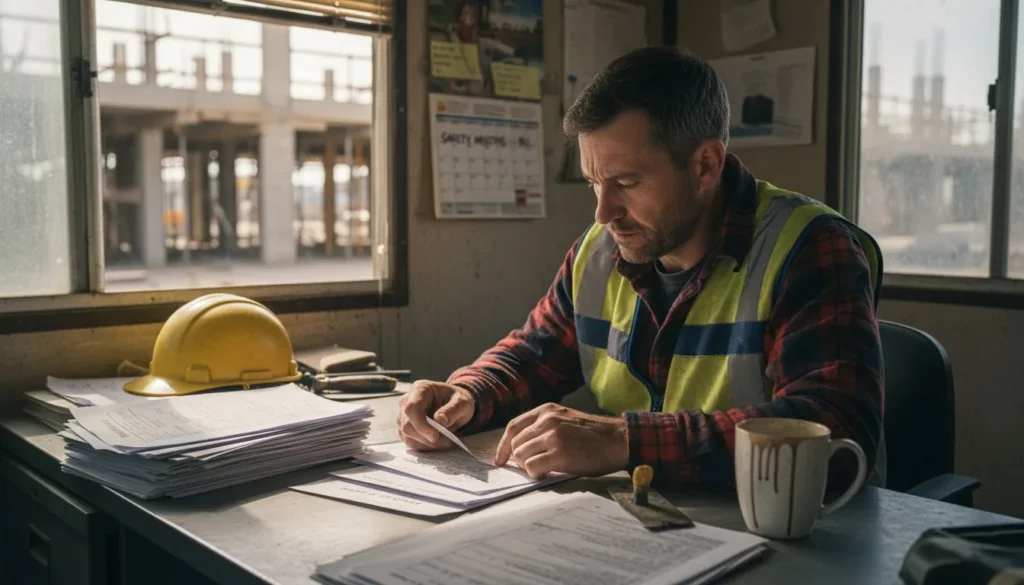
More than forty percent of American construction workers say they fear losing their jobs if they report safety problems. For those in Huntington Beach, facing backlash or discrimination after speaking up can threaten both your paycheck and your future. Understanding your legal protections under California law gives you the confidence to defend your rights, hold employers accountable, and protect your livelihood through every challenge on the job.
Table of Contents
- Defining Retaliation in Construction Settings
- Common Forms of Retaliation on Job Sites
- California Laws Protecting Whistleblowers
- Recognizing and Documenting Illegal Retaliation
- Legal Steps for Filing and Proving Claims
Key Takeaways
| Point | Details |
|---|---|
| Retaliation Defined | Retaliation in construction occurs when workers face negative consequences for reporting safety issues or misconduct. Legal protections exist to shield these employees from such actions. |
| Forms of Retaliation | Direct actions include termination and demotion, while indirect tactics may involve social exclusion or denial of opportunities. Both significantly impact workers’ careers and livelihoods. |
| California Whistleblower Protection | California offers strong legal protections for whistleblowers, including a rebuttable presumption against employers in retaliation cases. This legislation aims to encourage reporting without fear of consequences. |
| Documentation Importance | Comprehensive documentation of incidences and interactions is crucial for proving retaliation claims. A detailed record can support legal claims and help workers navigate the legal process effectively. |
Defining Retaliation in Construction Settings
Retaliation in construction settings represents a complex legal challenge where workers experience negative consequences after reporting safety violations or workplace misconduct. When construction employees raise legitimate concerns about hazardous working conditions, potential equipment failures, or systemic safety problems, they may face adverse professional actions designed to punish their transparency. Workplace retaliation patterns can manifest through subtle and overt methods that threaten an employee’s professional standing and economic security.
The construction industry presents unique challenges for identifying and addressing retaliation due to its decentralized work environments and predominantly male workforce. Retaliatory actions can range from informal social exclusion to formal employment consequences like demotions, reduced hours, reassignment to less desirable work locations, or outright termination. Workers might experience verbal harassment, intentional isolation from team activities, denial of training opportunities, or systematically undermined professional reputation as indirect punishment for speaking out about safety concerns.
Legal protections exist to shield construction workers from such discriminatory responses. Federal agencies like the Equal Employment Opportunity Commission (EEOC) recognize that retaliation represents a significant barrier to maintaining safe workplace environments. Employees who document safety issues or file official complaints are legally protected from punitive actions. This means employers cannot legally respond to good faith safety reports with negative employment consequences, whether through direct termination or more subtle forms of professional marginalization.
Pro tip: Always document every interaction, communication, and incident related to your safety report to create a clear paper trail that can support potential legal claims of retaliation.
Common Forms of Retaliation on Job Sites
Construction job sites present a complex landscape where workers can experience multiple types of retaliatory actions after reporting safety concerns. Workplace harassment patterns demonstrate that retaliation extends far beyond simple job termination, encompassing sophisticated and nuanced strategies designed to intimidate and marginalize employees who speak up about workplace risks.
The most common forms of retaliation on construction sites include both direct and indirect professional consequences. Direct actions might involve immediate employment repercussions such as sudden termination, demotion, or significant reduction in work hours. Indirect tactics are often more insidious, including systematic social exclusion, verbal harassment, deliberate assignment to dangerous or undesirable work tasks, denial of training opportunities, and intentional professional isolation. These subtle methods can create a hostile work environment that gradually undermines an employee’s professional standing and economic stability.
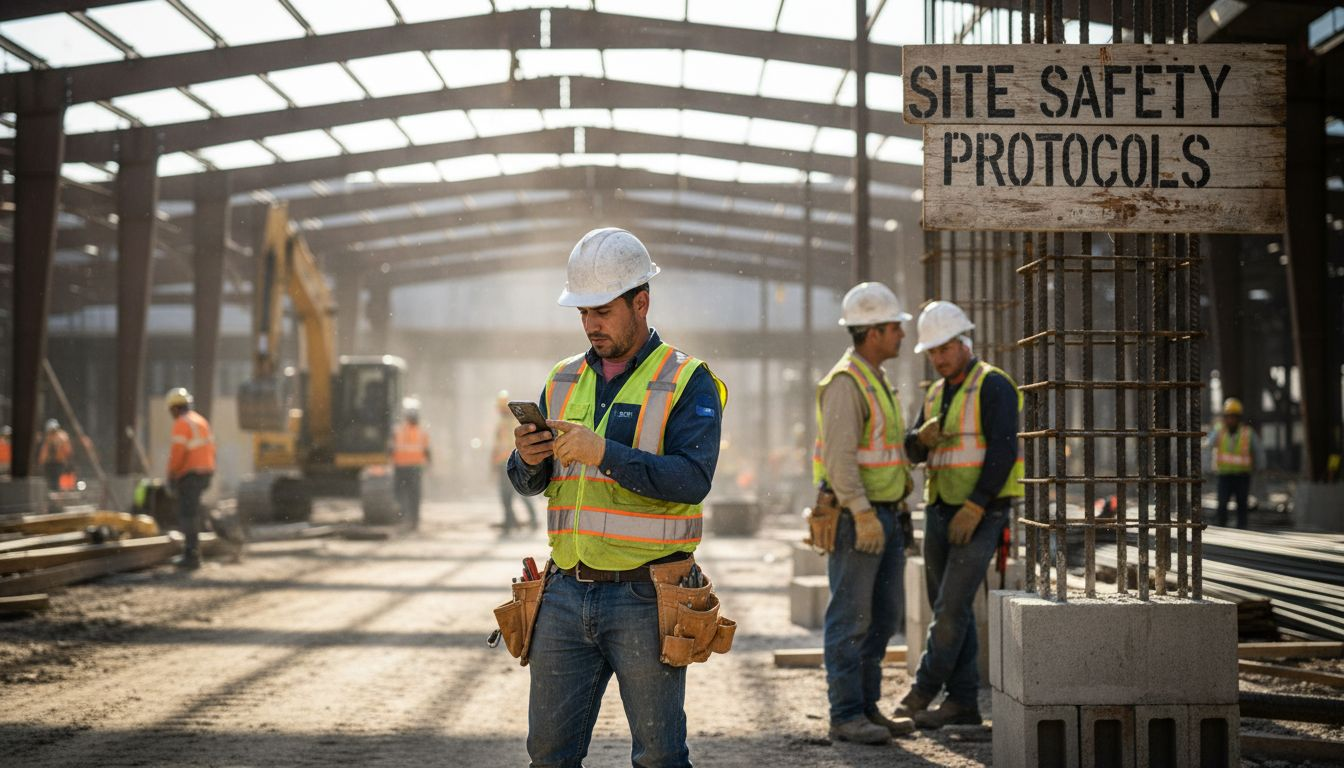
Unique characteristics of the construction industry make workers particularly vulnerable to retaliatory practices. The decentralized work structure, multiple subcontractors, and predominately male workforce can create environments where reporting safety violations becomes professionally risky. Employers might strategically use scheduling manipulations, shift assignments, or project allocations to punish workers who challenge existing workplace practices. Some workers report experiencing sustained harassment, reduced opportunities for advancement, and calculated professional marginalization as indirect punishment for raising legitimate safety concerns.
Here’s a quick comparison of direct and indirect retaliation commonly seen on construction job sites:
| Type of Retaliation | Typical Examples | Impact on Workers |
|---|---|---|
| Direct | Sudden termination, demotion, reduced hours | Immediate job or income loss |
| Indirect | Social exclusion, assignment to hazardous tasks, denial of training | Damaged reputation, stalled career growth |
Pro tip: Maintain a detailed, contemporaneous written record of all workplace interactions, safety reports, and potential retaliatory actions to create a robust documentation trail that can support future legal claims.
California Laws Protecting Whistleblowers
California has developed some of the most comprehensive whistleblower protection laws in the United States, offering robust safeguards for construction workers who report safety violations or workplace misconduct. Anti-retaliation legislation establishes a strong legal framework that protects employees from adverse actions taken in response to good faith reporting of workplace safety concerns or discriminatory practices.
The state’s legal protections are particularly nuanced in the construction industry, where workers face unique challenges. California law provides a rebuttable presumption that any adverse employment action occurring soon after a protected whistleblowing activity is potentially retaliatory. This means employers bear the burden of proving that disciplinary actions or terminations were not motivated by an employee’s safety reporting. The legal framework covers a broad range of protected activities, including reporting OSHA violations, documenting unsafe working conditions, filing worker’s compensation claims, and speaking out against workplace discrimination.
Enforcement mechanisms are designed to provide meaningful protection and deterrence. State labor agencies can impose significant penalties on employers who violate whistleblower protection laws, including mandatory reinstatement, back pay, compensatory damages, and potential additional punitive damages. Workers who successfully prove retaliation can recover lost wages, potential future earnings, emotional distress compensation, and in some cases, legal fees. These comprehensive protections are intended to create a workplace environment where employees can raise safety concerns without fear of professional repercussions.
Pro tip: Consult with an employment law specialist immediately after experiencing potential retaliation, as precise documentation and timely legal intervention are critical to protecting your professional rights.
Recognizing and Documenting Illegal Retaliation
Recognizing illegal retaliation requires a systematic approach to understanding the complex dynamics of workplace interactions in the construction industry. Illegal retaliation documentation hinges on establishing a clear connection between protected employee activities and subsequent adverse employment actions. Construction workers must be vigilant in identifying patterns of behavior that suggest punitive responses to safety reporting or whistleblowing.
The legal framework for proving retaliation relies on comprehensive documentation of workplace events. Critical elements include creating a detailed timeline of incidents, preserving written communications, collecting witness statements, and recording specific adverse actions taken against the employee. Suspicious patterns might include sudden performance criticisms, unexpected job reassignments, reduced work hours, denial of training opportunities, or exclusion from team activities that occur shortly after an employee has reported safety violations or participated in workplace investigations.
Legal experts emphasize the importance of building a robust evidentiary record that demonstrates a direct causal relationship between protected activities and retaliatory actions. This means collecting specific documentation such as emails, performance reviews, shift schedules, communication logs, and any other evidence that shows a clear chronological and motivational connection between safety reporting and subsequent negative workplace treatment. Workers should maintain a contemporaneous and objective record of all interactions, noting dates, times, specific individuals involved, and the context of potentially retaliatory actions.
Pro tip: Create a secure, digital backup of all documentation and consider consulting an employment law specialist who can help you assess the strength of your potential retaliation claim.
Legal Steps for Filing and Proving Claims
Filing a retaliation claim in the construction industry requires a strategic and methodical approach to building a compelling legal case. Legal process for retaliation claims involves constructing a prima facie case that demonstrates a clear connection between protected workplace activities and subsequent adverse employment actions. Construction workers must carefully document each step, establishing a robust narrative that shows how their safety reporting directly triggered discriminatory workplace responses.
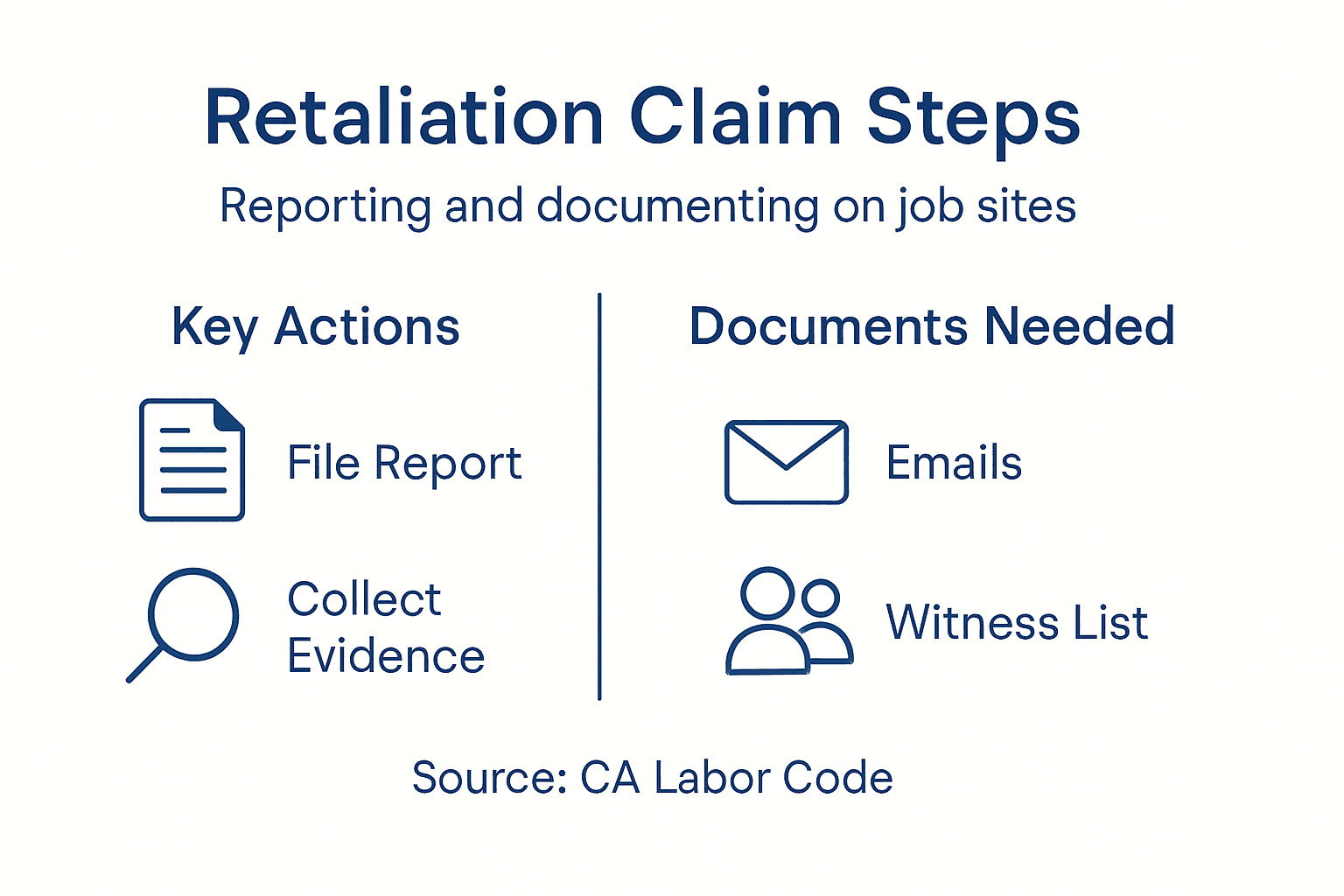
The legal framework for retaliation claims typically involves three critical components: proving participation in a protected activity, documenting an adverse employment action, and establishing a causal relationship between these two elements. Workers must compile comprehensive evidence including written communications, witness statements, performance reviews, shift schedules, and any other documentation that illustrates a pattern of punitive behavior. Federal agencies like the Equal Employment Opportunity Commission (EEOC) and the Occupational Safety and Health Administration (OSHA) provide administrative channels for filing initial complaints, which can potentially lead to investigations, settlement negotiations, or litigation.
Successful retaliation claims often require navigating complex legal procedures that demand precise documentation and strategic evidence presentation. Employees should consider consulting employment law specialists who understand the nuanced requirements of construction industry workplace protections. These professionals can help interpret potential violations, assess the strength of the claim, and guide workers through the intricate process of administrative filings, potential mediation, and if necessary, civil litigation to seek justice and compensation for workplace retaliation.
Below is an overview of key legal steps and documentation tips for filing a retaliation claim:
| Step | Documentation Needed | Purpose |
|---|---|---|
| Report activity | Copies of safety complaints, emails | Proves participation in protected activity |
| Record adverse actions | Written warnings, shift changes, termination notices | Links retaliation to reporting |
| Collect witness statements | Signed notes from coworkers | Strengthens claim credibility |
| Keep time-stamped logs | Digital files or journals | Establishes timeline and pattern |
| Consult legal counsel | Letters, legal advice notes | Guides next actions and ensures rights are protected |
Pro tip: Maintain a contemporaneous, digital evidence repository with time-stamped documentation and secure backups to strengthen the credibility of your retaliation claim.
Protect Your Rights Against Retaliation After Reporting Construction Safety Concerns
Facing retaliation after reporting unsafe working conditions can feel isolating and unfair. This article highlights common challenges such as job termination, social exclusion, or being assigned hazardous tasks simply for speaking up. You should never have to sacrifice your career or well-being for raising legitimate safety concerns. Understanding your rights under California whistleblower protections is crucial to stopping these damaging workplace actions.
If you are experiencing retaliation at your job site, the team at Serendib Law Firm is ready to stand by your side. We specialize in handling complex retaliation claims and whistleblower retaliation cases in the construction industry. Our experienced attorneys provide personalized legal guidance to help you document your claim and fight back against unjust treatment. Do not wait until your professional future is at serious risk. Contact us today at Serendib Law Firm for a free consultation and protect your rights now.
Frequently Asked Questions
What constitutes retaliation in construction settings?
Retaliation in construction settings involves negative consequences imposed on workers for reporting safety violations or workplace misconduct. This can include actions like termination, demotion, reduced hours, or more subtle methods such as social exclusion and harassment.
What are the common forms of retaliation that construction workers might face?
Common forms of retaliation can be categorized into direct actions, such as termination or demotion, and indirect actions, like social exclusion, assignment to hazardous tasks, or denial of training opportunities. Both can undermine an employee’s professional standing and economic stability.
How can construction workers document retaliation claims effectively?
Workers should create a detailed timeline of incidents, preserve written communications, collect witness statements, and record specific adverse actions. Maintaining a contemporaneous log that includes dates, times, and contexts can strengthen their claims.
What legal protections exist for construction workers against retaliation?
Legal protections include strong whistleblower laws that shield workers from punitive actions after reporting safety issues. Employers must prove that adverse actions were not related to the employee’s safety reporting, and violations can lead to penalties and potential compensation for the affected worker.
Recommended
- Complete Guide to Whistleblower Laws in Garden Grove | Serendib Law Firm
- Retaliation Claims in Tustin Warehouses – Protecting Workers After OSHA Complaints | Serendib Law Firm
- Employer Retaliation for Workers’ Compensation Claims: Complete Guide | Serendib Law Firm
- Retaliation | Serendib Law Firm
- Expert Demolition and Rebuild Services in Wasaga Beach
- Construction Safety Wear – Keys to Protection on Site – WorkWearComfort