

Nearly one in five american construction workers reports witnessing unsafe practices at job sites, yet many hesitate to speak up due to fear of retaliation. Construction remains one of the most hazardous industries in the country, so strong whistleblower laws are crucial for protecting both workers and the public. Understanding these legal rights and reporting channels empowers employees to address dangerous conditions, fostering safer and more accountable construction environments.
Table of Contents
- Defining Whistleblower Laws For Construction Sites
- OSHA Violations: Types And Common Examples
- Reporting Processes For OSHA Violations In Orange County
- Legal Protections And Employer Retaliation Rules
- Worker Rights, Responsibilities, And Legal Remedies
Key Takeaways
| Point | Details |
|---|---|
| Whistleblower Protections | Whistleblower laws protect construction workers from retaliation when reporting safety violations or unethical practices. |
| OSHA Violation Awareness | Understanding OSHA violation categories is essential for maintaining workplace safety and legal compliance in construction. |
| Reporting Channels | Workers in Orange County have multiple confidential channels to report OSHA violations, including online forms and direct contact with local offices. |
| Understanding Rights and Responsibilities | Workers must be aware of their rights to report safety concerns and their responsibilities to participate in safety protocols actively. |
Defining Whistleblower Laws for Construction Sites
Whistleblower laws in construction sites represent critical legal protections designed to safeguard workers who report serious workplace safety violations, unethical practices, or potential legal infractions. These laws empower employees to speak up about dangerous conditions, regulatory non-compliance, or potentially harmful practices without fear of professional retaliation. Workers in the construction industry face unique risks and challenges that make whistleblower protection especially important for maintaining workplace safety and integrity.
At their core, construction site whistleblower laws are designed to protect employees who disclose information about potential legal violations, safety hazards, or unethical conduct. These protections typically cover scenarios where workers report issues such as inadequate safety equipment, violation of building codes, environmental hazards, wage theft, or improper handling of hazardous materials. The legal framework ensures that employees who come forward with legitimate concerns cannot be legally terminated, demoted, suspended, or subjected to discriminatory treatment as a consequence of their reporting.
The scope of whistleblower protection in construction sites extends beyond immediate workplace safety. These laws recognize that workers are often the first line of defense against systemic problems that could potentially endanger public safety, compromise structural integrity, or violate environmental regulations. By creating a legal shield that prevents retaliation, these statutes encourage transparency and accountability within the construction industry. Employees who witness serious misconduct can report their concerns to regulatory agencies, supervisory bodies, or legal authorities without risking their professional careers, ultimately serving a broader public interest of maintaining high standards of workplace conduct and safety.
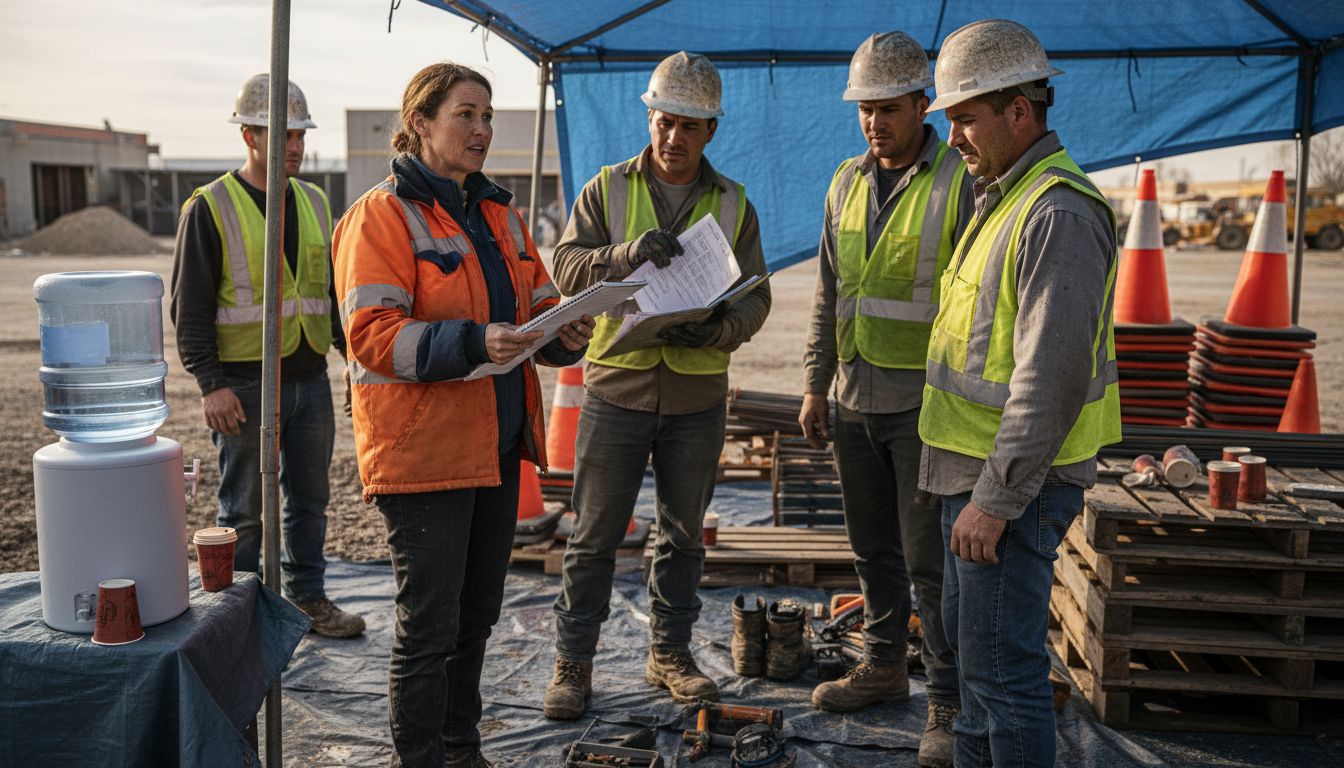
Key elements of construction site whistleblower protections typically include provisions that prohibit employers from taking adverse actions against reporting employees, establish clear channels for making confidential reports, and provide legal remedies if retaliation occurs. Workers should understand that protection applies not just to formal complaints filed with government agencies, but also to internal reports made to supervisors or management about potential violations. Documentation, timing, and the specific nature of the reported issue can significantly impact the strength of a whistleblower’s legal position.
OSHA Violations: Types and Common Examples
In the construction industry, understanding OSHA violations is crucial for maintaining workplace safety and legal compliance. These violations represent serious breaches of established safety standards that can potentially endanger worker health and expose companies to significant legal and financial risks. The Occupational Safety and Health Administration (OSHA) identifies and categorizes violations based on their severity, with each classification carrying different levels of potential penalties and implications for workplace safety.
OSHA typically classifies violations into four primary categories, each reflecting the potential risk and severity of the safety infraction. Serious violations represent situations where substantial harm or death could reasonably occur, such as inadequate fall protection, improper scaffolding setup, or failure to provide necessary protective equipment. **Other violation types include willful violations (intentional disregard for safety standards), repeated violations (recurring safety infractions), and other-than-serious violations (technical or administrative lapses that do not directly threaten worker safety).
Among the most frequently cited OSHA violations in construction, fall protection consistently ranks at the top. This includes inadequate guardrail systems, insufficient safety harness protocols, and lack of proper training for working at elevated heights. Other common violations involve hazard communication, where employers fail to properly inform workers about potential chemical risks, and scaffolding safety, which requires precise installation, maintenance, and worker training. These recurring issues underscore the critical importance of comprehensive safety management and proactive risk mitigation strategies in construction environments.
For construction companies and workers, understanding these violation categories is more than a legal requirement – it represents a fundamental commitment to workplace safety. Employers must implement rigorous safety training programs, conduct regular equipment inspections, maintain detailed documentation, and create a culture of safety awareness. Workers, meanwhile, play an equally important role by staying informed about their rights, reporting potential hazards, and actively participating in safety protocols. By working collaboratively and maintaining a shared commitment to safety standards, construction sites can significantly reduce the risk of OSHA violations and protect the well-being of all workers.
Reporting Processes for OSHA Violations in Orange County
When workers encounter unsafe workplace conditions, understanding the proper channels for reporting OSHA violations is critical. Multiple reporting methods are available for employees in Orange County to address potential safety hazards and protect their workplace rights. Workers can choose from various official channels, including online complaint forms, telephone reporting, direct email communication, or in-person visits to local district offices, each designed to ensure worker safety and maintain confidentiality.
In Orange County specifically, workers have direct access to the Santa Ana Cal/OSHA Enforcement District Office for filing workplace safety complaints. The reporting process typically involves providing detailed information about the observed safety violation, including specific workplace conditions, potential hazards, and the potential risks to worker health. Confidentiality is a key aspect of these reporting mechanisms, with state regulations protecting workers from potential retaliation by employers when they report legitimate safety concerns.
The documentation process for reporting OSHA violations requires careful attention to detail. Workers should prepare comprehensive information including the specific location of the violation, dates of observed hazards, names of potential witnesses, and any photographic or physical evidence supporting their claim. While anonymous reporting is possible, providing contact information can help investigators more thoroughly examine the reported violation. Workers should also be prepared to describe the exact nature of the safety risk, whether it involves inadequate protective equipment, structural hazards, chemical exposure, or other workplace dangers.
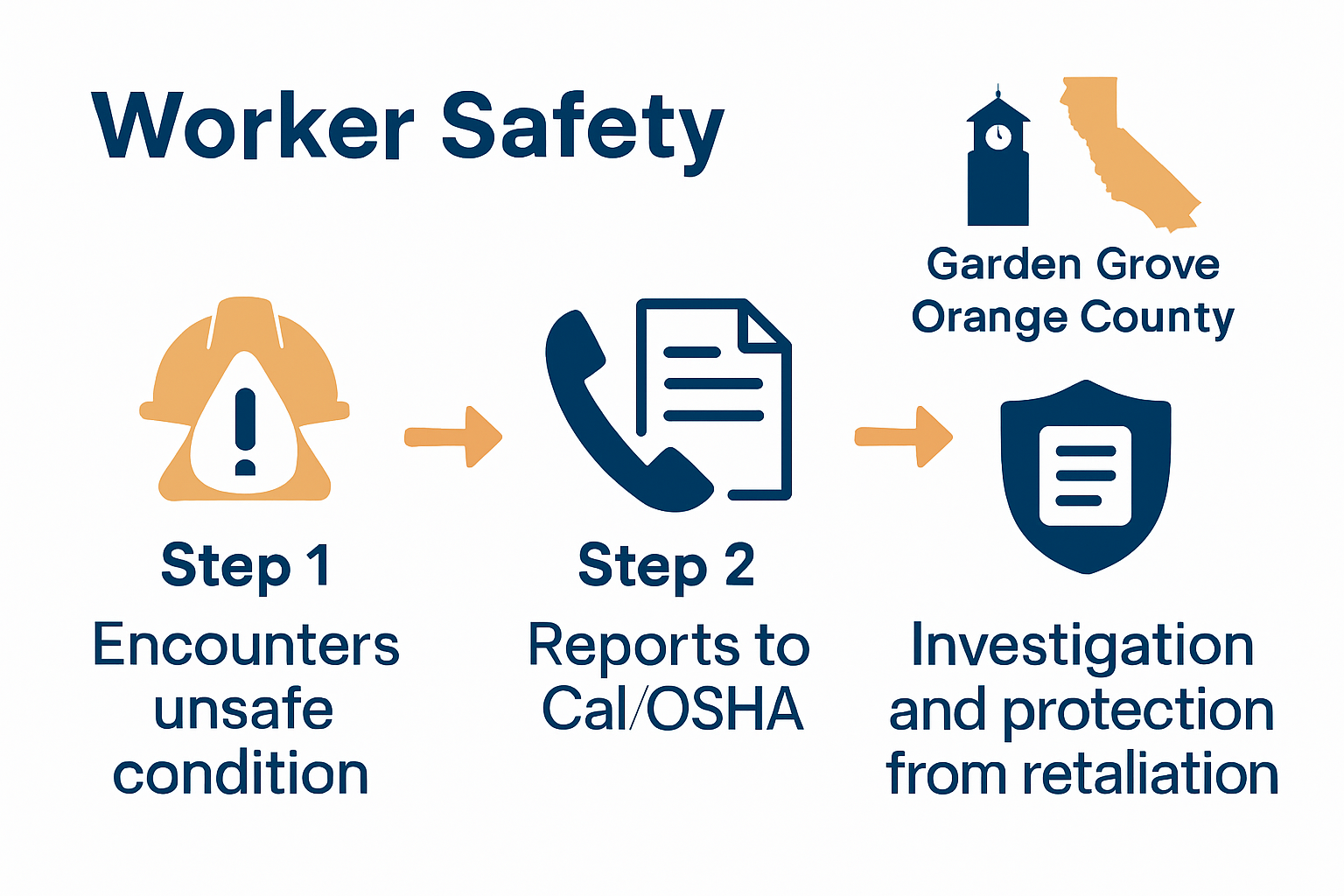
Navigating workplace safety reporting can be intimidating, but workers have robust legal protections designed to encourage transparency and safety. Beyond immediate reporting, workers should maintain their own records of the violation, any communications with employers, and potential evidence. Understanding that reporting is a fundamental right can empower workers to take action when they observe unsafe working conditions, ultimately contributing to broader workplace safety improvements in Orange County’s construction and industrial sectors.
Legal Protections and Employer Retaliation Rules
Whistleblower laws provide critical safeguards for employees who report workplace violations, with comprehensive protections against employer retaliation. These legal frameworks are designed to shield workers from adverse employment actions such as termination, demotion, reduced hours, or professional harassment when they expose potential legal or safety violations. Employer retaliation is strictly prohibited, ensuring that workers can speak up about workplace misconduct without fear of professional consequences.
The scope of legal protections extends beyond immediate job security. Workers who experience retaliation after reporting safety violations, unethical practices, or legal infractions have multiple avenues for legal recourse. These protections cover a wide range of workplace scenarios, including reporting environmental hazards, financial misconduct, safety violations, discrimination, or potential criminal activities. Employers found guilty of retaliating against whistleblowers can face significant legal penalties, including financial damages, mandatory reinstatement, and potential punitive sanctions.
Specific legal protections for whistleblowers involve intricate legal mechanisms designed to document and prove retaliation. Workers must maintain detailed records of their original complaint, any subsequent communication with employers, and evidence of adverse actions taken against them. Whistleblowing retaliation can manifest in subtle ways, including professional isolation, negative performance reviews, reduced opportunities for advancement, or creating a hostile work environment intended to force the employee to resign.
Navigating employer retaliation claims requires strategic documentation and understanding of legal rights. Workers should consult employment law professionals who specialize in whistleblower protection to evaluate the strength of their case and determine the most appropriate legal strategy. The burden of proof typically requires demonstrating a direct connection between the original whistleblower report and subsequent adverse employment actions, making comprehensive documentation and timely legal consultation critical for protecting workplace rights and holding employers accountable for retaliatory behavior.
Worker Rights, Responsibilities, and Legal Remedies
Understanding worker rights in workplace safety is fundamental to protecting employees from potential hazards and maintaining a safe professional environment. These rights encompass comprehensive protections that enable workers to speak up about dangerous conditions, request safety training, and challenge unsafe practices without fear of professional retaliation. Fundamental worker rights include the ability to receive proper safety training, access workplace injury and illness records, request workplace inspections, and report potential violations without experiencing negative consequences.
Workers have specific responsibilities that complement their legal protections. These responsibilities involve actively participating in workplace safety protocols, reporting potential hazards promptly, using provided safety equipment correctly, and cooperating with employer safety initiatives. Employee rights documentation outlines the critical balance between worker protections and personal accountability, emphasizing that safety is a collaborative effort requiring engagement from both employers and employees.
Legal remedies for workplace safety violations provide multiple avenues for workers to seek justice and compensation. These remedies can include filing formal complaints with regulatory agencies, pursuing workplace injury claims, seeking monetary damages for unsafe working conditions, and requesting mandatory workplace safety improvements. Workers who experience retaliation after reporting safety concerns can initiate legal proceedings to challenge discriminatory actions, potentially recovering lost wages, reinstatement, and additional compensatory damages.
Navigating worker rights requires understanding the intricate legal landscape of workplace protections. Workers should document every interaction related to safety concerns, maintain detailed records of potential violations, and seek professional legal guidance when confronting complex workplace safety issues. The legal system provides robust mechanisms to protect workers, but successful outcomes depend on strategic documentation, timely reporting, and a comprehensive understanding of individual rights and employer obligations.
Protect Your Rights as a Whistleblower in Garden Grove
Navigating the complex landscape of whistleblower laws can leave you feeling vulnerable to retaliation and unsure about your legal protections. If you have reported workplace safety violations or unethical conduct and now face employer backlash, understanding your rights and the legal remedies available is vital. This article highlights key challenges like retaliation, confidentiality concerns, and the need for strong documentation that every Garden Grove worker should know.
Do not let fear hold you back from standing up for what is right. Our experienced team at Serendib Law Firm specializes in whistleblower and retaliation cases to provide personalized support and aggressive advocacy. Take the first step to protect your career and safety by exploring resources tailored for Garden Grove residents in our Garden Grove Archives. Contact us today to get your free consultation and secure the justice you deserve.
Frequently Asked Questions
What protections do whistleblower laws provide for construction workers?
Whistleblower laws protect construction workers from retaliation when they report safety violations or illegal activities. This includes protection from termination, demotion, harassment, or any other adverse employment actions due to their reporting.
How can I report an OSHA violation on a construction site?
You can report an OSHA violation by submitting an online complaint form, calling the OSHA hotline, emailing, or visiting a local OSHA office. Make sure to provide detailed information about the violation and any potential hazards present.
What should I do if I experience retaliation after reporting a violation?
If you face retaliation after reporting a violation, document all incidents of retaliation, including dates and details. Consult with an employment law professional to explore your legal options and potential avenues for claiming damages.
Are all internal reports to management protected under whistleblower laws?
Yes, whistleblower protections extend to internal reports made to supervisors or management about potential violations, not just formal complaints to government agencies. It’s crucial to keep a record of these communications to reinforce your legal protections.