

Many Experian employees in Costa Mesa believe California’s at-will employment law means employers can fire workers for any reason without consequence. This misconception prevents employees from recognizing illegal termination and pursuing rightful claims. California law includes critical exceptions protecting workers against discrimination, retaliation, and whistleblowing violations. This guide explains your legal rights, common wrongful termination causes, documentation strategies, filing deadlines, and how to seek justice when your termination violates California employment protections.
Table of Contents
- Understanding Wrongful Termination Laws in Costa Mesa
- Prevalence and Impact of Wrongful Termination
- Common Causes and Challenges of Wrongful Termination in Costa Mesa Workplaces
- Legal Protections and How to Prove Wrongful Termination
- Filing Deadlines, Remedies, and Legal Support in Costa Mesa
- Common Misconceptions About Wrongful Termination
- Taking Practical Steps After Experiencing Wrongful Termination
- Get Expert Legal Help with Wrongful Termination in Costa Mesa
Key Takeaways
| Point | Details |
|---|---|
| Wrongful termination protections | California law prohibits firing employees due to discrimination, retaliation for protected activity, or whistleblowing reports. |
| Critical filing deadline | Employees have one year from termination date to file wrongful termination claims under California law. |
| Documentation is essential | Detailed records of communications, termination circumstances, and retaliation patterns strengthen your legal case significantly. |
| Available legal remedies | Successful claims can recover back pay, lost benefits, compensatory damages, and emotional distress compensation. |
| At-will misconceptions | Understanding legal exceptions to at-will employment prevents employees from missing opportunities to challenge illegal firings. |
Understanding Wrongful Termination Laws in Costa Mesa
California operates under at-will employment, allowing employers to terminate workers without providing reasons in most situations. However, this doctrine includes significant legal exceptions that protect employees from illegal dismissals. Wrongful termination occurs when employers fire workers for reasons prohibited by state and federal law.
Key legal protections cover several termination scenarios:
- Discrimination based on protected characteristics including race, gender, age, disability, religion, or sexual orientation
- Retaliation against employees who report workplace violations, file complaints, or participate in investigations
- Whistleblower protections for workers who expose illegal activities or safety violations
- Violations of public policy including termination for jury duty, voting, or refusing illegal acts
The Fair Employment and Housing Act (FEHA) establishes comprehensive anti-discrimination protections for California employees. California Labor Code § 1102.5 specifically protects whistleblowers from retaliation when reporting violations to government agencies or internally to management. Experian employees working in Costa Mesa facilities are fully covered by these state protections, regardless of company size or employment duration.
Understanding these foundational legal frameworks helps you recognize when termination crosses from lawful business decisions into illegal employment actions. Working with experienced Costa Mesa employment lawyers ensures you accurately assess whether your termination violated California protections.
Prevalence and Impact of Wrongful Termination
Wrongful termination cases continue rising nationwide, with claims increasing 10% in 2023 according to employment law tracking data. Retaliation and discrimination remain the leading reasons employees file wrongful termination complaints. These statistics reflect broader workplace trends affecting Costa Mesa employees, including those at major employers like Experian.
The financial and personal impacts of wrongful termination extend far beyond immediate job loss. Employees face sudden income disruption, loss of health benefits, damage to professional reputation, and significant emotional distress. Legal awards in successful wrongful termination cases have reached hundreds of millions of dollars collectively, demonstrating courts recognize the serious harm these violations cause.
Costa Mesa workplace dynamics mirror these national patterns. The region’s concentration of technology, financial services, and corporate operations creates environments where discrimination and retaliation disputes arise frequently. Employees who understand these trends realize they are not alone when facing questionable terminations.
Key Statistic: Employment discrimination charges involving discharge or termination represent approximately 33% of all complaints filed with the Equal Employment Opportunity Commission annually.
Recognizing the prevalence of wrongful termination empowers employees to take action rather than accepting illegal dismissals as unavoidable business decisions. The rising claim numbers also reflect increased employee awareness of legal protections and willingness to challenge unlawful employer conduct.
Common Causes and Challenges of Wrongful Termination in Costa Mesa Workplaces
Retaliation drives a substantial portion of wrongful termination cases in California workplaces. Employees who complain about harassment, discrimination, wage violations, or safety issues often face adverse employment actions shortly after making protected reports. Employers may claim performance issues or restructuring, but timing and circumstances frequently reveal retaliatory motives.
Discrimination based on protected characteristics creates another major category of wrongful termination. Age discrimination affects older workers passed over for promotions before termination. Gender discrimination manifests in pregnancy-related firings or unequal treatment of female employees. Disability discrimination occurs when employers terminate workers rather than providing reasonable accommodations.
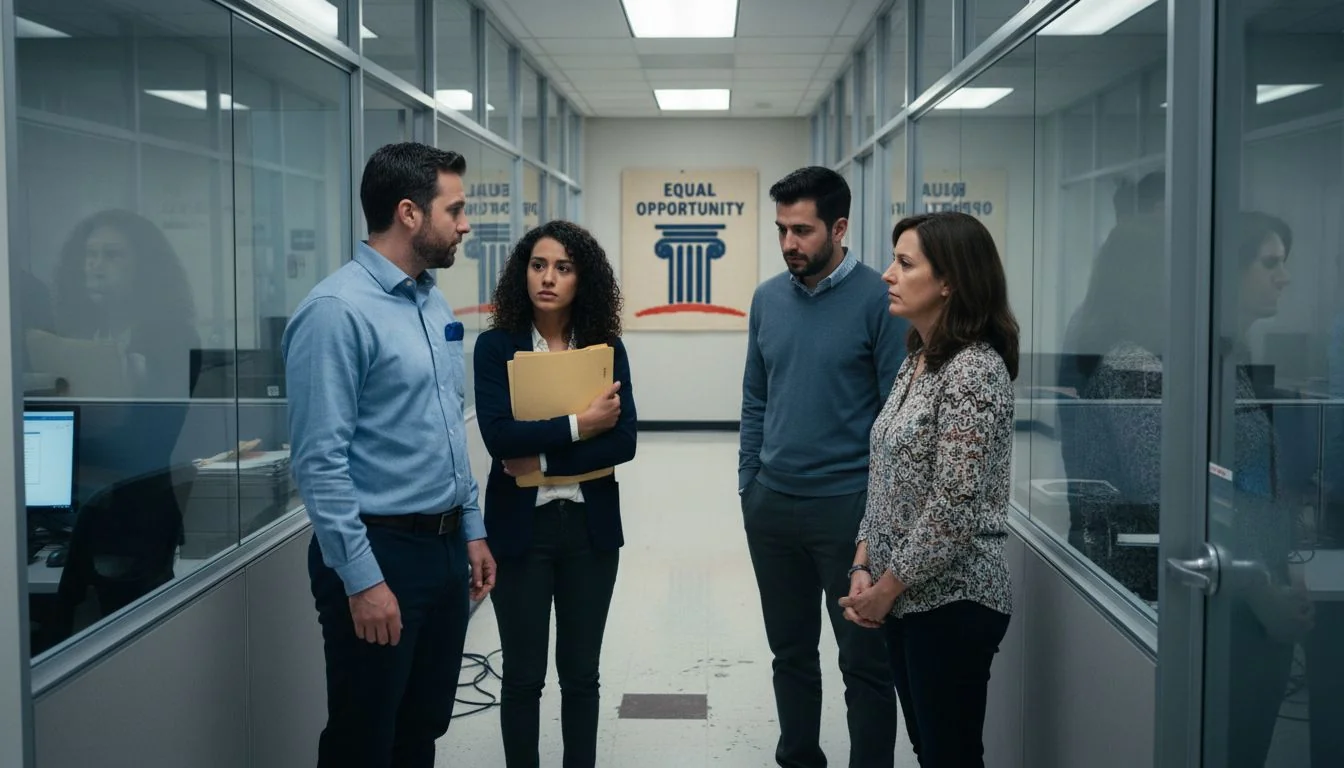
Employers rarely admit illegal termination reasons explicitly. They typically mask discriminatory or retaliatory motives behind seemingly legitimate business justifications. This creates significant challenges for employees attempting to prove wrongful termination claims. You must demonstrate the stated reason was pretextual and the true motivation violated California law.
Challenges employees face identifying wrongful termination include:
- Subtle retaliation patterns that develop gradually over weeks or months
- Mixed-motive terminations where legitimate and illegal reasons coexist
- Lack of direct evidence as employers avoid documenting discriminatory intent
- Power imbalances that prevent employees from questioning termination decisions
- Confusion about which termination reasons violate California protections
Understanding typical wrongful termination scenarios helps you recognize warning signs in your own situation. Pay particular attention to timing between protected activities and adverse employment actions. Review employment contract clauses to understand what contractual protections may exist beyond statutory rights.
Legal Protections and How to Prove Wrongful Termination
California Labor Code § 1102.5 provides robust whistleblower protections for employees who report legal violations. This statute prohibits retaliation against workers who disclose information to government agencies, law enforcement, or internally to supervisors about violations of state or federal statutes, regulations, or rules. The law also protects employees who refuse to participate in illegal activities.
FEHA establishes legal standards for discrimination claims, requiring employees prove their protected characteristic was a substantial motivating reason for termination. You must demonstrate you belonged to a protected class, performed your job satisfactorily, suffered adverse employment action, and circumstances suggest discriminatory motive. The burden then shifts to employers to articulate legitimate, non-discriminatory reasons for termination.
Building a strong wrongful termination case requires comprehensive evidence collection:
- Written termination notices, separation agreements, and exit interview documentation
- Email communications, text messages, and internal memos showing employer statements or timing
- Performance reviews, disciplinary records, and any documentation contradicting stated termination reasons
- Witness statements from coworkers who observed discriminatory comments or retaliatory conduct
- Comparative evidence showing similarly situated employees received different treatment
Pro Tip: Request your personnel file in writing within 30 days of termination. California law requires employers provide copies of all documents you signed and any disciplinary records. This documentation often reveals inconsistencies in employer justifications.
Patterns of retaliation significantly strengthen wrongful termination claims. Documentation showing adverse actions escalated after you filed complaints or participated in investigations creates powerful circumstantial evidence of illegal motive. Track dates, times, witnesses, and specific incidents in detailed written records.
Consulting employment retaliation legal experts early in the process ensures you preserve critical evidence and avoid common mistakes that weaken claims. Attorneys can also send preservation letters requiring employers maintain relevant documents and communications.
Filing Deadlines, Remedies, and Legal Support in Costa Mesa
California law establishes a one-year statute of limitations for most wrongful termination claims from the date of discharge. This strict deadline means you must act quickly to preserve your legal rights. Missing this deadline typically bars you from pursuing claims regardless of merit.
Federal discrimination claims under Title VII require filing charges with the Equal Employment Opportunity Commission within 300 days of termination in states with fair employment agencies like California. FEHA claims must be filed with the California Civil Rights Department within three years, though the one-year deadline applies to many related wrongful termination theories.
Successful wrongful termination cases can result in back pay, benefits recovery, and emotional distress damages. Back pay includes wages you would have earned from termination through trial or settlement. Benefits recovery covers health insurance, retirement contributions, and other compensation. Compensatory damages address emotional suffering, while punitive damages may apply in cases of malicious employer conduct.
Follow these steps to protect your wrongful termination rights:
- Document your termination circumstances immediately, including date, time, who delivered the news, and exact statements made
- Request written explanation of termination reasons and copies of your complete personnel file
- File unemployment benefits claim to create official record and financial support during job search
- Consult experienced wrongful termination attorney within weeks of termination to assess legal options
- File complaints with appropriate agencies before statutory deadlines expire
- Preserve all evidence including emails, text messages, and witness contact information
Review wrongful termination filing guidelines to understand procedural requirements for different claim types. Administrative complaints often must be filed before court lawsuits can proceed. Working with qualified Costa Mesa employment attorneys ensures you navigate these complex procedures correctly and maximize potential recovery.
Common Misconceptions About Wrongful Termination
Many employees believe at-will employment means employers face no consequences for terminations. This misunderstanding prevents workers from recognizing illegal dismissals and pursuing valid claims. While employers can terminate for many reasons, California law strictly prohibits firing based on discrimination, retaliation, or public policy violations.
Another common myth suggests employers never have to provide termination reasons or documentation. California law does not require employers state reasons for at-will terminations. However, you can request explanations, and employers often provide them in exit interviews or separation documents. Inconsistent or shifting explanations can indicate pretext for illegal motives.
Some employees mistakenly believe proving wrongful termination requires only making accusations without supporting evidence. California courts require substantial proof that illegal reasons motivated termination decisions. Successful claims need documentation, witness testimony, comparative evidence, and often expert analysis establishing discriminatory or retaliatory patterns.
Retaliation claims specifically require demonstrating clear connections between protected activity and adverse employment actions:
- You engaged in legally protected conduct like filing discrimination complaints or reporting violations
- Your employer knew about your protected activity
- You suffered adverse employment action such as termination
- Causal connection exists between protected activity and adverse action
Pro Tip: Always request written explanations for performance concerns, discipline, or termination. Employers reluctant to document reasons may signal awareness their justifications will not withstand legal scrutiny. Written records also prevent employers from changing explanations later.
Understanding these realities helps you approach potential wrongful termination claims with accurate expectations and appropriate evidence gathering strategies.
Taking Practical Steps After Experiencing Wrongful Termination
Immediate action after termination protects your legal rights and strengthens potential wrongful termination claims. Begin documenting everything related to your termination within hours of receiving notice. Write detailed accounts of termination meetings including who attended, exact statements made, questions asked, and your responses.
Request written termination explanation from your employer, even though California law does not require them to provide one. Send this request via email to create written record of your attempt. If employers refuse or provide vague explanations, this refusal itself can become evidence of questionable motives. You can obtain official termination documentation through formal records requests.
Consult qualified wrongful termination attorney within days or weeks of discharge. Early legal consultation helps you understand whether your termination violated California law and what evidence you need to gather. Attorneys can also communicate with former employers on your behalf and send preservation notices requiring them maintain relevant documents.
Take these sequential steps to protect your interests:
- Document termination meeting details and circumstances in writing while memory is fresh
- Save and back up all work-related emails, text messages, and electronic communications
- List potential witnesses who observed discriminatory conduct or retaliatory behavior
- Request personnel file and any documents related to your employment and termination
- File unemployment benefits claim immediately to create official record and financial support
- Schedule consultation with experienced employment attorney to evaluate legal claims
- Preserve evidence by not deleting communications or disposing of relevant documents
- File administrative complaints with Civil Rights Department or EEOC before deadlines expire
Avoid discussing your termination or potential legal claims on social media. Employers routinely monitor former employees’ online activity and may use posts against you in legal proceedings. Focus communication on protected legal consultations with attorneys who can advise you properly.
Get Expert Legal Help with Wrongful Termination in Costa Mesa
Navigating wrongful termination claims requires specialized legal knowledge and experience with California employment law. Serendib Law provides comprehensive legal support for Costa Mesa employees facing illegal dismissals from employers like Experian. Our experienced Costa Mesa employment law attorneys understand the complexities of wrongful termination cases and fight aggressively to protect worker rights.
We offer free consultations to assess your wrongful termination situation and explain available legal options. Our team evaluates evidence, identifies legal theories supporting your claims, and develops strategic approaches to maximize compensation. We handle all aspects of wrongful termination cases from initial complaint filing through trial or settlement negotiations.
Our Lake Forest employment law experts and Huntington Beach employment law attorneys serve employees throughout Orange County with dedicated advocacy. Contact us today to discuss your wrongful termination concerns with attorneys who prioritize your rights and recovery.
FAQ
What are the common signs of wrongful termination at Experian?
Common signs include termination shortly after filing discrimination complaints, reporting safety violations, or participating in harassment investigations. Sudden negative performance reviews following protected activity also indicate potential retaliation. Request written termination reasons and examine timing for suspicious patterns suggesting illegal motives.
How long do I have to file a wrongful termination claim in California?
California generally requires filing wrongful termination claims within one year from your discharge date. Federal discrimination claims have 300-day EEOC filing deadlines. Missing these statutory deadlines typically eliminates your ability to pursue legal remedies regardless of case merit.
What evidence is most helpful to prove wrongful termination?
Written termination notices, employer email communications, and witness statements from coworkers who observed discriminatory or retaliatory conduct are vital evidence. Performance reviews contradicting stated termination reasons and documentation showing retaliation patterns significantly strengthen claims. Detailed contemporaneous records you created during employment carry substantial weight.
Can I get compensation for emotional distress caused by wrongful termination?
Yes, California wrongful termination law allows recovery for emotional distress damages including anxiety, depression, and humiliation caused by illegal discharge. Compensation also includes back pay covering lost wages, recovery of benefits like health insurance, and potentially punitive damages. Successful claims often result in six-figure or higher settlements depending on circumstances.