
Yes, injured riders in Tustin can pursue compensation, even when they share some fault for the crash, because California follows a pure comparative negligence rule under Civil Code §1714. The two moves that matter most in the first 48 hours: get evaluated by a doctor, even if you feel fine, and preserve every piece of physical evidence before it disappears. Deadlines under CCP §335.1 start running immediately, so contacting an attorney early protects your claim. Serendib Law Firm offers a free consultation and works motorcycle cases on contingency, meaning you owe nothing upfront.
TL;DR:
- Even when sharing fault, motorcycle accident victims in Tustin can recover damages, but evidence of fault significantly affects the final award.
- Building a strong claim requires immediate medical evaluation, preserving physical evidence, witness statements, and detailed documentation within the first 72 hours.
- The majority of claims involve economic, non-economic, and potentially punitive damages, with catastrophic cases needing comprehensive life-care plans.
- Fault is determined under California’s pure comparative negligence, so gathering evidence like police reports and camera footage early is critical to prevent inflated fault percentages.
- Settlement timelines typically range from a few months to over a year, depending on injury severity, evidence quality, and whether a public entity is involved.
Table of Contents
- Damages You Can Recover After a Motorcycle Accident in Tustin
- What Causes Most Motorcycle Crashes in Orange County, and Who Pays?
- What Should You Do in the First 72 Hours After a Crash?
- How Do You Prove a Motorcycle Injury Claim in Tustin?
- Where Does Compensation Actually Come From After a Crash?
- How Long Do You Have to File a Motorcycle Injury Claim?
- How Do Helmet Law and Lane Splitting Affect a Tustin Claim?
- How Serendib Law Firm Handles Motorcycle Injury Claims in Tustin
- How Do You Actually File a Claim in Tustin?
- How Long Does a Tustin Motorcycle Claim Typically Take?
- What Should You Look for When Hiring a Motorcycle Accident Attorney?
- What Defenses Do Insurers Raise in Motorcycle Claims?
- What Compensation Ranges Look Like Based on Injury and Fault
- An Editorial Take on What Actually Moves These Cases Forward
- Ready to Talk to Someone? Here’s How to Start
- Sources
Damages You Can Recover After a Motorcycle Accident in Tustin
Motorcycle crashes tend to produce injuries that car accidents don’t, mainly because riders have no metal cage absorbing the impact. That reality shapes what a Tustin claim is actually worth, and it usually breaks into three categories.
Economic damages cover the bills you can point to and add up. That includes past and future medical treatment, physical therapy, assistive devices like wheelchairs or prosthetics, home modifications for accessibility, lost wages from missed work, and reduced future earning capacity if you can’t return to your old job. Property damage to your bike and riding gear counts too, and it’s often higher than people expect once you factor in a totaled motorcycle and destroyed safety equipment.
Non-economic damages compensate for what doesn’t come with a receipt: pain and suffering, emotional distress, loss of enjoyment of life, and loss of consortium for a spouse or partner. These damages are real and recoverable, but they require documentation, usually through a pain journal, therapy records, and testimony from people who knew you before and after the crash.
Punitive damages are rare and reserved for cases involving willful misconduct, like a driver who was drunk, drag racing, or fleeing police. The threshold is high, and most claims settle without ever raising the issue.
For catastrophic injuries, traumatic brain injury, spinal cord damage, or amputation, valuation shifts entirely. These cases typically require a life-care plan: a detailed projection of every future medical need, from surgeries to in-home care, built by medical and economic experts. A Tustin personal injury attorney who has handled catastrophic motorcycle cases knows how to build that projection so it holds up against an insurance adjuster who will try to lowball it.
- Medical bills, both incurred and projected
- Lost wages and diminished earning capacity
- Property damage to the motorcycle and gear
- Pain, suffering, and emotional distress
- Loss of consortium for spouses and partners
- Punitive damages in cases of willful misconduct
What Causes Most Motorcycle Crashes in Orange County, and Who Pays?
Left-turn collisions top the list in Orange County. A driver misjudges a rider’s speed or simply doesn’t see the bike and turns directly into its path. Unsafe lane changes are a close second, often because drivers check blind spots for cars, not motorcycles. Rear-end collisions, dooring incidents where a parked car’s door swings open into traffic, road hazards like potholes or debris, and DUI-related crashes round out the most common scenarios on Tustin roads.
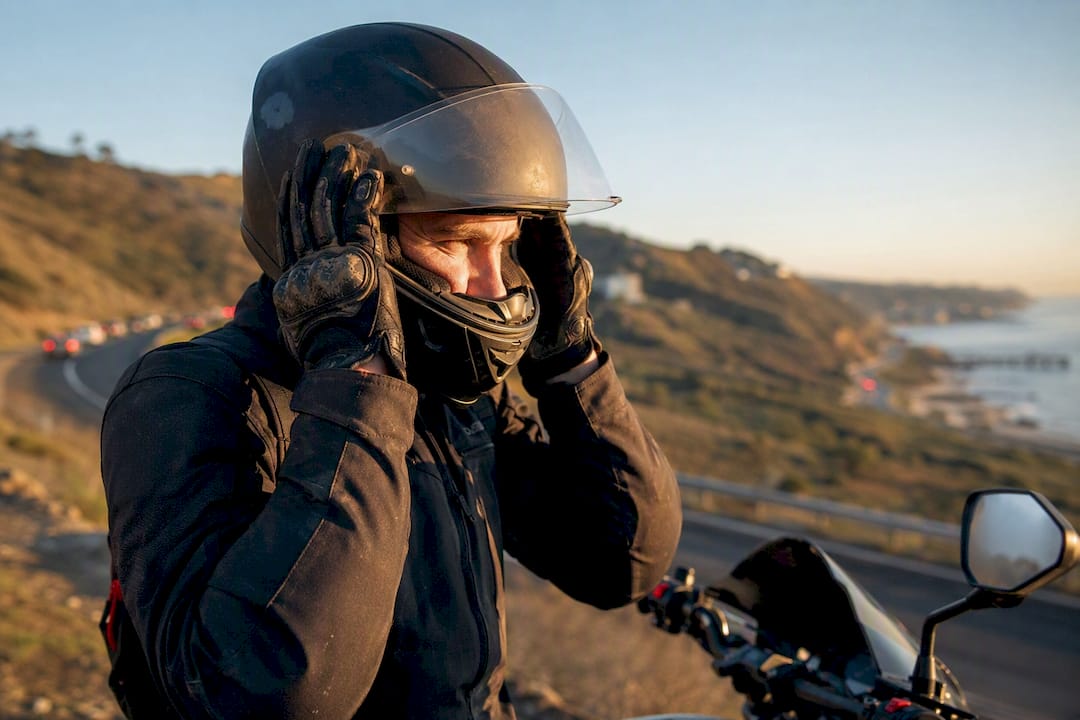
California decides fault through pure comparative negligence, a rule the state’s Supreme Court established in Li v. Yellow Cab Co.. Under this system, you can recover damages even if you were partly responsible for the crash. Your total award simply gets reduced by your percentage of fault. If a jury finds you partly at fault for speeding, your total award is reduced by that percentage of fault, meaning your recovery is proportionally less than the full damages awarded. That’s a very different outcome from states that bar recovery entirely once a victim crosses a fault threshold.
Because every percentage point of fault translates directly into dollars, the evidence used to assign that percentage matters enormously. Insurers and attorneys typically rely on:
- Police crash reports and citations issued at the scene
- Traffic and dashcam or doorbell camera footage
- Cell phone records showing distraction
- Eyewitness statements gathered quickly, before memories fade
- Accident reconstruction experts who analyze skid marks, debris fields, and impact angles
The sooner this evidence gets collected, the harder it is for an insurer to inflate your share of the blame.
What Should You Do in the First 72 Hours After a Crash?
The choices you make in the days right after a crash often determine how strong your claim looks months later. Here’s the order that protects both your health and your case.
- Get medical care immediately, even if your injuries seem minor. Adrenaline masks pain, and some injuries, like internal bleeding or concussions, don’t show obvious symptoms right away.
- Call 911 and request a police response. Get the report number before you leave the scene; California traffic officers use this number to log the incident, and your attorney will need it.
- Photograph and video everything: the bike’s final position, skid marks, road conditions, your injuries, and any damaged gear. Preserve your helmet and motorcycle exactly as they were; don’t repair or discard either until an expert has inspected them.
- Collect witness contact information on the spot. People who saw the crash rarely stick around, and phone numbers scribbled on a napkin can make or break a disputed-fault claim.
- Notify your insurer with facts only. Report the crash occurred, but avoid speculating about fault or giving a recorded statement until you’ve spoken with an attorney.
- Start a pain journal the same day. Note your symptoms, sleep quality, and how the injury affects daily tasks. Keep every medical bill and receipt.
Pro Tip: Route all insurer communications through your attorney once you’ve retained one. Adjusters are trained to ask questions designed to shift fault onto you, and a recorded statement given before you understand your rights can quietly shrink your settlement by thousands of dollars.
For a broader post-crash checklist that applies across vehicle types, see our guide on what to do after a car accident in Tustin.
How Do You Prove a Motorcycle Injury Claim in Tustin?
Winning a fair settlement comes down to building a record the insurance company can’t argue with. The strongest motorcycle claims rest on a specific set of documents and testimony:
- The official police crash report, including any citations issued
- EMS run sheets and hospital admission notes from the day of the crash
- Photos and video from the scene, plus dashcam or surveillance footage if available
- The preserved helmet and motorcycle, examined by a qualified expert before repair
- Repair estimates for the bike and replacement costs for damaged gear
- Written witness statements gathered close to the incident date
- Cell phone and GPS data when distracted driving is suspected
Beyond documents, certain experts routinely make or break a case. Accident reconstruction specialists translate physical evidence into a clear narrative of how the crash happened. Treating physicians establish the medical timeline and prognosis. For catastrophic injuries, life-care planners and vocational economists project future costs and lost earning capacity, numbers that carry far more weight in negotiations than a simple demand letter.
Insurers push back with predictable defenses: alleging you share more fault than you do, pointing to helmet nonuse, blaming preexisting conditions, or claiming you failed to seek prompt treatment. Motorcyclists remain overrepresented in traffic fatalities nationally, a statistic insurers know well and sometimes use to argue injuries were inevitable rather than caused by the other driver’s negligence. Contemporaneous medical records and expert testimony are what neutralize that argument.
Where Does Compensation Actually Come From After a Crash?
Even a clear liability finding means nothing if there’s no money behind it. California requires drivers to carry minimum liability coverage, and recent updates raised those minimum limits to $30,000 per person, $60,000 per accident, and $15,000 for property damage. For a motorcycle crash involving a traumatic brain injury or spinal cord damage, $30,000 covers almost nothing.
This is where uninsured and underinsured motorist coverage, UM/UIM, becomes critical. If the at-fault driver carries only the state minimum, or no insurance at all, your own UM/UIM policy can fill the gap. Preserving that claim requires prompt written notice to your own insurer and strict adherence to your policy’s conditions; missing a notification deadline can forfeit coverage you’re otherwise entitled to.
Other sources of early compensation include:
- Med-Pay or PIP coverage, which pays medical bills regardless of fault, though it often comes with subrogation rights that let the insurer reclaim funds from your settlement
- Health insurance liens, which must be resolved before you receive your net recovery
- The at-fault driver’s liability policy, the primary source in most straightforward cases
Settlement strategy matters as much as the coverage itself. A rushed demand sent before your medical treatment is complete almost always undervalues the claim. Experienced attorneys typically wait until you reach maximum medical improvement, assemble a complete demand package with bills, records, and wage documentation, and only file suit when a fair settlement isn’t on the table.
How Long Do You Have to File a Motorcycle Injury Claim?
California gives injury victims two years from the date of the crash to file a personal injury lawsuit, under Code of Civil Procedure §335.1. Miss that window, and you generally lose the right to sue entirely, regardless of how strong your case would have been. Certain exceptions exist, including tolling for minors and delayed-discovery injuries that weren’t immediately apparent, but these exceptions are narrow and shouldn’t be relied on as a backup plan.
The deadline shrinks dramatically if a government entity is involved, say, the crash was caused by a poorly maintained road, a malfunctioning traffic signal, or a city vehicle. Claims against public entities in California generally require a formal government claim filed within six months of the incident, well before the standard two-year lawsuit deadline even becomes relevant. Miss that six-month window, and you may be barred from suing the government entirely.
A short practical checklist protects you regardless of who’s at fault:
- Calendar both the two-year deadline and, if applicable, the six-month government claim deadline immediately
- Preserve all physical evidence, including the bike, helmet, and gear
- Gather documentation early if a road defect or public vehicle contributed to the crash
- Consult an attorney promptly; government claims require specialized handling and move fast
How Do Helmet Law and Lane Splitting Affect a Tustin Claim?
Lane splitting, riding between lanes of slower or stopped traffic, is legal in California under Vehicle Code §21658.1, which also directs the California Highway Patrol to develop safety guidance for riders and drivers alike. That guidance, covering safe speed differentials and traffic conditions, gets scrutinized closely in liability disputes. Insurance adjusters and defense attorneys routinely check whether a rider was lane splitting within CHP-recommended parameters or riding aggressively enough to justify a comparative-fault argument.
California’s helmet law, Vehicle Code §27803, requires DOT-compliant helmets for all riders. Noncompliance doesn’t bar a claim, but defense attorneys frequently argue it should reduce damages under comparative negligence, claiming a helmet would have lessened head injuries. That argument, and the fault percentage it produces, depends heavily on medical expert testimony about what a helmet would or wouldn’t have changed.
National crash data underscores why these disputes carry such weight: motorcyclists remain significantly overrepresented in fatal crashes relative to their share of registered vehicles. That statistic explains why insurers fight so hard over fault percentages, and why documentation of your riding conduct, speed, and gear matters from the first minute after a crash.
- Lane splitting is legal but judged against CHP safety guidance
- Helmet nonuse can factor into comparative fault, but doesn’t bar recovery
- Motorcyclists face disproportionately severe injury outcomes in crash data
- Documentation of riding conduct blunts unfair fault allegations
How Serendib Law Firm Handles Motorcycle Injury Claims in Tustin
We built our personal injury practice around the reality that motorcycle victims face steeper fights than most injury claimants. Insurers assume riders are reckless before they even review the file, and that bias shows up in early settlement offers. Our approach starts by rejecting that assumption and building a case that forces a fair number.
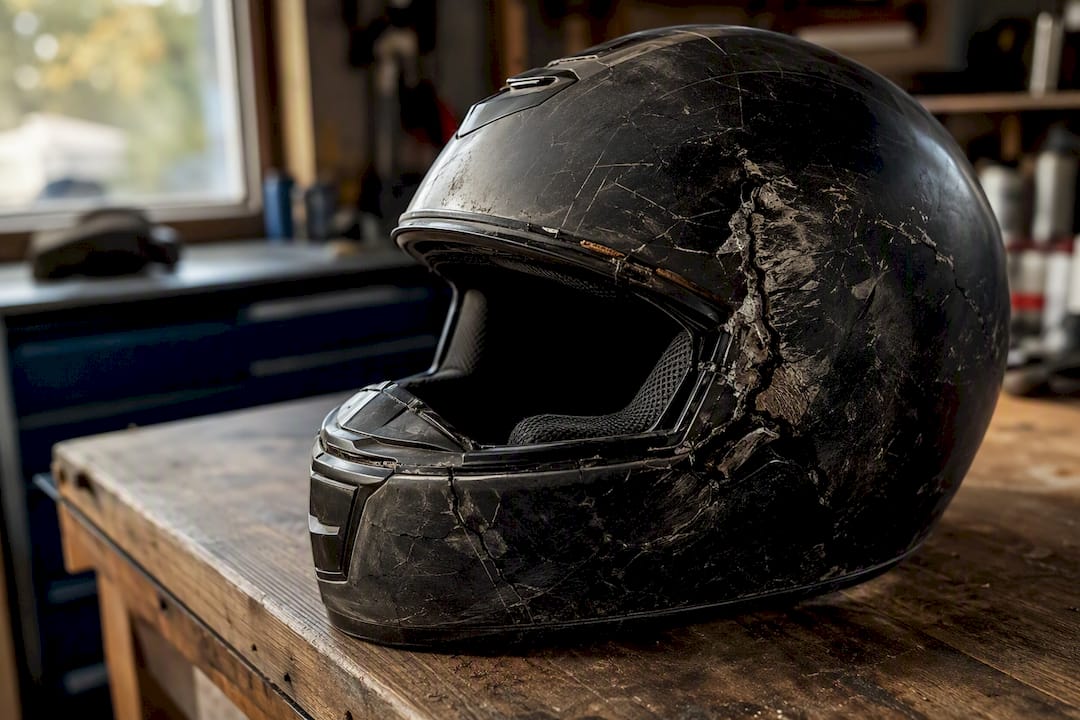
Every case we take begins with intake and evidence preservation: securing the police report, arranging for helmet and motorcycle inspection before repair or disposal, and locking down witness statements while memories are fresh. From there, we bring in accident reconstruction specialists, treating physicians, and, for catastrophic cases, life-care planners and vocational economists who can put a real number on future losses.
If your crash involves a government entity, a defective road or a municipal vehicle, we move immediately on the shortened notice requirements that apply to public defendants, because missing that window can end a valid claim before it starts. We negotiate directly with insurance adjusters, assemble complete demand packages, and prepare every case as though it’s headed to trial, because that posture is what produces fair settlements rather than lowball offers.
We serve clients in English and Spanish, so language is never a barrier to understanding your rights. Every personal injury case comes with a free consultation, and we work on contingency, meaning you pay nothing unless we recover compensation for you.
- Bilingual representation in English and Spanish
- Contingency-fee structure with no upfront costs
- Local experience with Tustin personal injury claims
- Full-service handling from intake through trial readiness
How Do You Actually File a Claim in Tustin?
Filing starts with a conversation, not paperwork. Your first step should be an initial consultation where an attorney reviews the basic facts: how the crash happened, what injuries you sustained, and whether a government entity might be involved. This conversation determines urgency, especially if a shortened government claim deadline applies.
After that consultation, documentation becomes the priority. You’ll want to gather your medical records as treatment progresses, not wait until you’re fully healed to start compiling them. Insurance information for every driver involved, repair estimates for your motorcycle, and any correspondence you’ve already had with insurers all need to reach your attorney early, so nothing gets lost or forgotten.
Once your attorney has the full picture, they’ll typically send a letter of representation to the at-fault insurer, which immediately stops adjusters from contacting you directly. From there, the firm handles evidence requests, expert coordination, and the timeline for when a demand package gets assembled.
The practical sequence looks like this: initial consultation and case evaluation, documentation gathering and medical treatment monitoring, formal notice to insurers (and government entities if applicable), evidence and expert development, then demand negotiation. Each stage builds on the last, and skipping the documentation phase to rush toward a settlement almost always costs you money later, since insurers exploit any gap in the medical or evidence record to argue your injuries were less serious than claimed.
How Long Does a Tustin Motorcycle Claim Typically Take?
Timelines vary by injury severity, but a rough shape holds across most Tustin cases. The first one to three months typically involve active medical treatment and evidence gathering; this phase shouldn’t be rushed, because settling before you know your full medical trajectory risks leaving money on the table for future treatment.
Once you reach maximum medical improvement, meaning your condition has stabilized and doctors can reliably project future needs, your attorney assembles a demand package. Insurers typically respond within 30 to 60 days, though catastrophic injury cases with life-care plans take longer to evaluate on both sides.
If a fair settlement doesn’t materialize, filing a lawsuit shifts the case into a formal timeline governed by court deadlines rather than negotiation flexibility. Discovery, depositions, and potential mediation can extend a case another six months to over a year, depending on court calendars in Orange County. Most cases still settle before trial, but the credible threat of litigation is often what moves a stalled negotiation forward.
Government claim cases move on a compressed early timeline, since the six-month notice deadline forces documentation and filing decisions much faster than a standard two-year window would require.
What Should You Look for When Hiring a Motorcycle Accident Attorney?
Not every personal injury attorney handles motorcycle cases the same way, and the differences matter. Look for specific experience with motorcycle claims, not just general auto accidents, because the bias insurers show toward riders requires a different negotiation approach and a sharper understanding of helmet law and lane-splitting disputes.
Ask directly whether the attorney works on contingency and what percentage they take from a recovery. A firm that requires upfront payment for a personal injury case, or one that’s vague about fee structure, is a warning sign worth taking seriously.
Red flags to watch for during your search:
- Attorneys who pressure you to settle quickly, before your medical treatment is complete
- Firms that can’t clearly explain how they’ll handle government claim deadlines if applicable
- A lack of local Orange County court experience or unfamiliarity with Tustin-area insurance adjusters
- Vague answers about who will actually handle your case, versus who signed you up
A Tustin personal injury attorney with local courtroom experience understands how Orange County juries and adjusters tend to value cases, which shapes negotiation strategy from day one.
What Defenses Do Insurers Raise in Motorcycle Claims?
Insurance companies rarely dispute that a crash happened; they dispute how much they owe. In motorcycle cases specifically, a handful of defenses come up again and again. Comparative fault allegations are the most common, insurers will argue you were speeding, lane splitting unsafely, or riding without a helmet, each point designed to shave a percentage off your recovery.
Preexisting condition arguments follow close behind. If you had a prior back injury or old fracture, expect the insurer to claim your current pain stems from that history rather than the crash. This defense collapses quickly when treating physicians document how the crash aggravated or worsened a prior condition, but it requires that documentation to exist from the start.
Failure-to-mitigate arguments show up when a claimant delays treatment or skips recommended therapy. Insurers use gaps in medical records to argue injuries weren’t serious enough to warrant the claimed damages. This is precisely why starting treatment immediately and following through consistently protects your case as much as your health.
Each of these defenses depends on gaps, in evidence, in treatment consistency, or in documentation. Closing those gaps early is the single most effective way to blunt them before they ever reach a negotiation table.
What Compensation Ranges Look Like Based on Injury and Fault
Compensation in Tustin motorcycle cases varies enormously based on two factors: injury severity and fault allocation. A soft-tissue injury with a full recovery within a few months settles very differently from a traumatic brain injury requiring lifelong care, and no responsible attorney can promise a specific number before treatment and investigation are complete.
What consistently moves the needle is documentation quality and fault percentage. A claimant found 30% at fault sees their recovery reduced by that same 30%, regardless of how catastrophic the injury. That’s why the evidence-gathering steps covered earlier aren’t just procedural, they directly protect the dollar value of your claim.
Catastrophic injuries, spinal cord damage, amputation, severe traumatic brain injury, involve life-care plans projecting decades of future costs, which is why these cases typically require vocational economists and medical experts to establish value credibly. Moderate injuries, fractures, torn ligaments, and injuries requiring surgery but allowing eventual recovery, rely more heavily on medical bills, lost wages, and a clear pain and suffering narrative.
The honest answer for any specific case requires reviewing your medical records, the fault evidence, and available insurance coverage together, which is exactly what a free consultation with an experienced attorney provides before you commit to anything.
An Editorial Take on What Actually Moves These Cases Forward
Most advice aimed at motorcycle crash victims focuses too heavily on the law and not enough on timing. Knowing that California follows pure comparative negligence matters, but that knowledge does nothing if you’ve already given a recorded statement admitting you were “probably going a little fast.” The statute matters less than the sequence of decisions you make in the first week.
The conventional wisdom, wait until you’re healed to think about legal representation, gets this backward. Evidence degrades fast: witnesses forget, road hazards get repaired, and helmets get discarded. The riders who end up with fair settlements are the ones who treated evidence preservation as urgent from hour one, not the ones who waited until treatment ended to start thinking about a claim.
If there’s one priority above all others, it’s this: don’t let anyone, an insurer, a well-meaning friend, or your own instinct to downplay pain, talk you out of documenting everything immediately. The law protects riders in California. Whether that protection translates into real compensation depends entirely on what you do before your attorney ever sees the file.
— Maya Serkova
Ready to Talk to Someone? Here’s How to Start
Serendib Law Firm is the direct alternative to navigating an insurance adjuster alone or gambling on a general practice attorney unfamiliar with motorcycle-specific defenses like helmet nonuse and lane-splitting disputes. We handle these cases on contingency, so there’s no upfront cost, and we don’t get paid unless you recover compensation.
Before your free consultation, gather what you can: your police report number, photos from the scene, medical records and bills, insurance information for every driver involved, witness contact details, and any repair estimates for your motorcycle. You don’t need everything perfectly organized. We’ll help you fill gaps and identify what’s still missing.
During the consultation, we’ll walk through case viability, flag any deadlines specific to your situation (including shortened government claim windows if a public entity is involved), and lay out clear next steps. We serve clients in English and Spanish throughout Tustin and Orange County. If you’ve been hurt in a motorcycle crash, reach out to our team today and find out where you actually stand.
This article is general information, not a substitute for advice from a qualified lawyer. Consult a qualified legal professional about your own circumstances before acting on anything here.
Sources
- California Motorcyclist Safety — CHP
- California Vehicle Code §21658.1 — lane splitting (leginfo)
- NHTSA motorcycle crash facts and reports