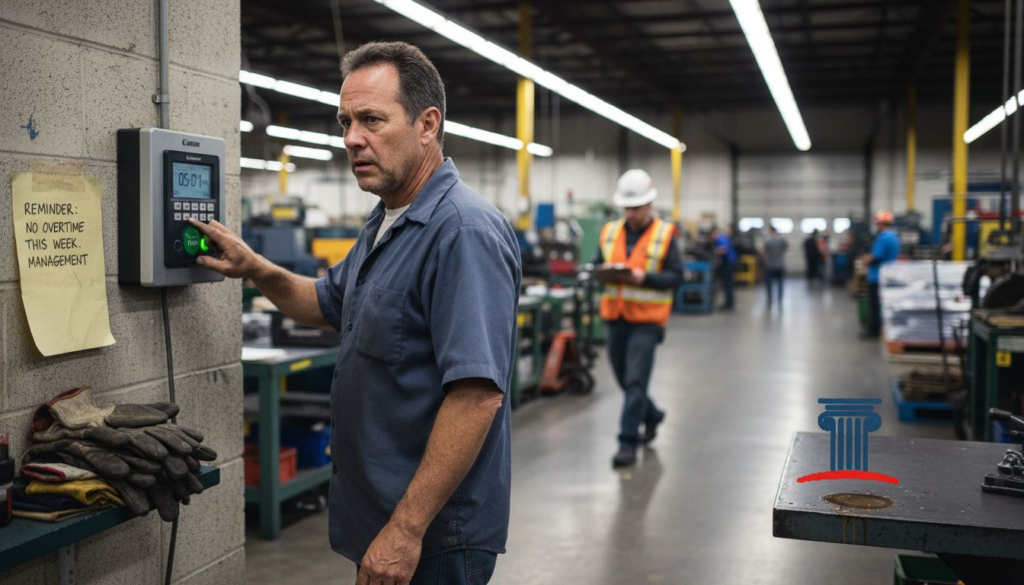
Garden Grove manufacturing facilities supplying major retailers are experiencing a 25% increase in overtime wage theft claims. Many employees assume big retailers aren’t accountable when their suppliers violate wage laws, but that’s not true. This article reveals your legal rights under California law, common tactics employers use to dodge overtime pay, and practical steps you can take to recover wages owed.
Table of Contents
- Overview Of California Overtime Laws For Manufacturing Employees
- Common Employer Tactics Leading To Overtime Violations
- Legal Responsibilities Of Major Retailers In Manufacturing Supply Chains
- Why Overtime Violations Often Go Unreported: Barriers And Employee Fears
- Proving And Documenting Overtime Violations Successfully
- Practical Steps To Take When Facing Overtime Violations In Garden Grove
- The Role Of Bilingual Legal Support In Overcoming Language Barriers
- Get Expert Legal Help To Recover Your Overtime Wages
- Frequently Asked Questions
Key Takeaways
| Point | Details |
|---|---|
| California Overtime Standards | Manufacturing employees earn 1.5x regular rate after 8 hours daily or 40 weekly |
| Common Violations | Employers misclassify workers, require off-the-clock tasks, and manipulate time records |
| Retailer Liability | Major retailers can be held jointly responsible for supplier overtime violations |
| Reporting Barriers | Fear of retaliation and lack of legal knowledge prevent many from filing claims |
| Documentation Matters | Detailed time logs and wage statements significantly improve recovery success |
Overview of California Overtime Laws for Manufacturing Employees
Manufacturing workers in California enjoy stronger protections than federal law provides. California law mandates overtime pay at 1.5 times regular rate after 8 hours per day or 40 hours per week. Double time kicks in after 12 hours in one day or more than 8 hours on the seventh consecutive workday.
These protections cover nearly all manufacturing employees, regardless of company size. The exemptions are narrow and specific. If you spend most of your day on production lines, quality control, assembly, or warehouse tasks, you’re covered.
California overtime laws differ from federal standards in important ways:
- Daily overtime after 8 hours (federal only counts weekly)
- Double time provisions (federal has none)
- Stronger enforcement mechanisms through state agencies
- Higher minimum wage base for calculating overtime rates
Manufacturing roles like machine operators, assemblers, packers, and warehouse workers all qualify. Even if your employer calls you a manager or supervisor, title alone doesn’t eliminate overtime rights. The actual duties you perform determine coverage.
Pro Tip: Keep a simple notebook or phone log of your daily start and end times. Note when you skip breaks or work through lunch. These personal records become powerful evidence if disputes arise later.
Common Employer Tactics Leading to Overtime Violations
Employers frequently use misclassification, off-the-clock work, and time-shaving tactics to avoid paying overtime. Understanding these schemes helps you spot violations in your workplace.
- Labeling you as exempt when your duties are clearly non-exempt production work
- Calling you an independent contractor despite controlling your schedule and methods
- Requiring pre-shift meetings or post-shift cleanup without recording the time
- Editing timecards to show fewer hours than actually worked
- Pressuring workers to sign inaccurate time records under threat
Some employers implement automatic clock-out systems that don’t account for actual work performed. Others create cultures where asking about overtime is discouraged. These patterns violate California law regardless of company policy.
Time shaving takes many forms. Your manager might round down clock-in times or delete minutes from daily totals. Some facilities use biometric systems that administrators can manipulate. Others simply refuse to record work performed outside scheduled shifts.
Employers sometimes threaten immigration consequences or job loss for workers who question pay practices. This intimidation violates retaliation protections for wage theft reports. California law shields employees who assert wage rights.
Pro Tip: Take photos of posted schedules and your actual punch times. Screenshot any text messages or emails directing you to work outside recorded hours. This digital evidence is hard to dispute.
Legal Responsibilities of Major Retailers in Manufacturing Supply Chains
The factory owner isn’t always the only party responsible. Since 2018, legal precedents have held major retailers jointly liable for supplier wage violations including unpaid overtime.
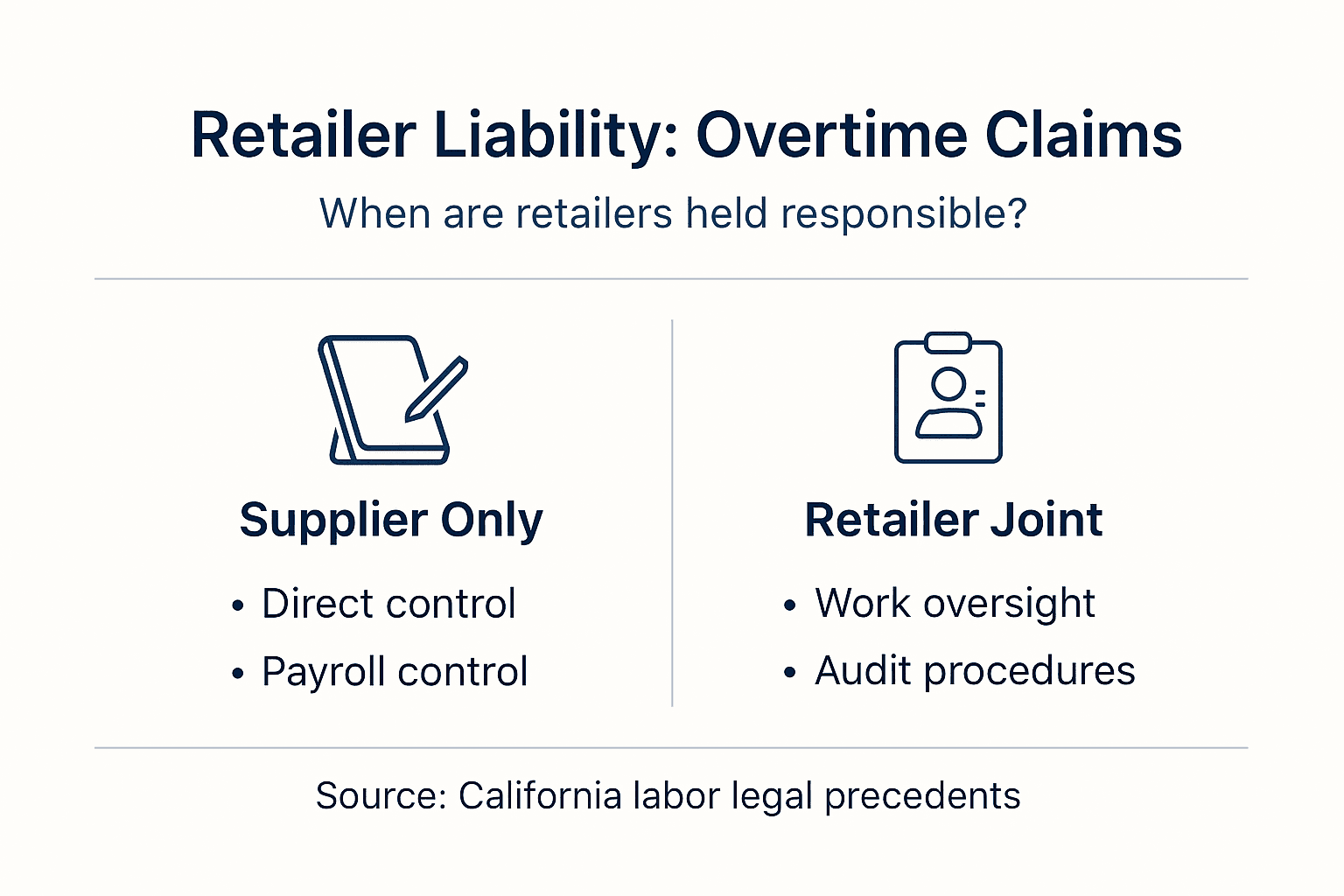
Joint employer status arises when retailers exercise significant control over supplier operations. This includes dictating production schedules, setting labor costs, or controlling hiring practices. Courts examine the real economic relationship, not just contract language.
Major retailers supplying Garden Grove facilities sometimes create conditions that encourage violations. Aggressive cost demands and tight deadlines pressure suppliers to cut labor expenses. When retailers maintain substantial control, they share responsibility for resulting wage theft.
| Factor | Supplier Only | Joint Liability |
|---|---|---|
| Control Level | Supplier manages all operations | Retailer controls schedules, costs, or methods |
| Liability Scope | Only supplier liable for violations | Both supplier and retailer can be held responsible |
| Recovery Options | Limited to supplier assets | Can pursue retailer’s larger resources |
| Enforcement | Single defendant case | Multiple defendants increase recovery chances |
Several major retailers faced successful claims after workers proved the retailers dictated labor conditions at supplier facilities. These cases established that retailer supply chain compliance extends beyond product safety to worker protections.
Retailers claiming ignorance of supplier violations face scrutiny when evidence shows control. Regular audits, production quotas, and cost negotiations demonstrate involvement. This shared responsibility gives workers additional recovery options.
Why Overtime Violations Often Go Unreported: Barriers and Employee Fears
Many employees fear retaliation or job loss, and lack clear knowledge of their rights, preventing them from reporting overtime violations. These barriers allow wage theft to continue unchecked.
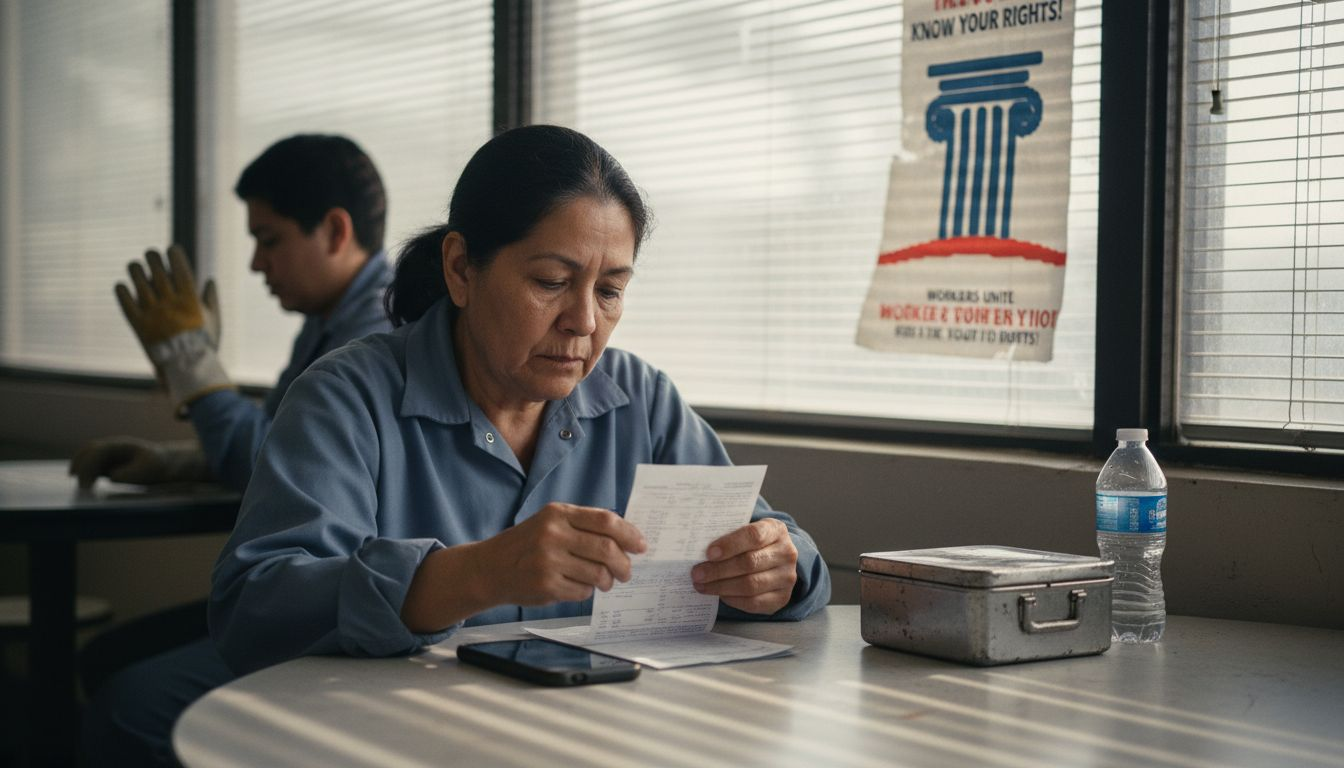
Economic pressures create powerful disincentives to speak up. Manufacturing jobs in Garden Grove often support entire families. The risk of reduced hours or termination feels too great, even when pay is wrong.
Common obstacles include:
- Fear of being fired or blacklisted from other jobs
- Concern about immigration status affecting family members
- Lack of awareness that California protections exist
- Belief that major retailers can’t be held accountable
- Difficulty understanding complex wage calculations
- Absence of coworkers willing to corroborate claims
Language barriers compound these problems for Spanish-speaking workers. Legal documents and enforcement processes in English create confusion. Many workers assume they have no recourse or that complaints will be ignored.
Some employers deliberately foster misconceptions. They tell workers that overtime isn’t required or that company policy overrides state law. These false claims discourage legitimate complaints and perpetuate violations.
The isolation of individual workers makes collective action difficult. Without knowing that others face similar problems, employees hesitate to file claims. This silence benefits employers who count on workers not comparing notes.
Proving and Documenting Overtime Violations Successfully
Detailed time records, wage statements, and witness testimony substantially improve the success of unpaid overtime claims. Strong documentation overcomes employer denials and creates clear evidence trails.
Keep your own records separate from employer systems. Note your actual start time, end time, and any skipped breaks each day. Include dates when you worked over 8 hours or came in on days off. Simple handwritten logs work fine if made consistently.
Gather every pay stub, even ones showing errors. These documents prove your regular rate and reveal patterns in how overtime is calculated or omitted. Pay stubs also show when employers suddenly change how they classify your hours.
Document requests to:
- Save all work-related text messages and emails
- Photograph time clocks and posted schedules
- Keep copies of employee handbooks and policy memos
- Note names of coworkers present during unpaid overtime
- Record any verbal instructions to work off the clock
Coworker statements strengthen claims significantly. If others witnessed the same violations or have similar experiences, their accounts corroborate yours. Even informal conversations help establish patterns that one person’s records might not show clearly.
Preserve digital evidence carefully. Back up photos and messages to secure locations. Email important documents to a personal account. Physical copies matter too, since employers sometimes delete records or claim system failures.
California law requires employers to provide accurate itemized wage statements. Request copies if yours are missing or unclear. Employers must produce records when the retaliation for wage theft protections apply to your situation.
Pro Tip: Start documenting immediately, even before filing any claim. Consistent records over weeks or months demonstrate reliability. Gaps or records created only after disputes arise carry less weight.
Consult with attorneys who understand whistleblowing retaliation protections. They can guide you on what evidence matters most for your specific situation. Many workplace retaliation lawyers offer free initial reviews of your documentation.
Practical Steps to Take When Facing Overtime Violations in Garden Grove
Filing claims with the California Labor Commissioner and consulting attorneys offering free consultations improves recovery chances. Taking action requires following specific procedures designed to protect your rights.
- Calculate your unpaid overtime by comparing hours worked against hours paid at the correct rate
- Compile all documentation including time records, pay stubs, and witness information
- File a wage claim with the California Labor Commissioner’s office serving Orange County
- Request a free consultation with an employment attorney experienced in overtime violations
- Consider whether pursuing claims against both supplier and retailer makes sense
- Respond promptly to all Labor Commissioner communications and hearing notices
The Labor Commissioner investigates claims and can order employers to pay wages owed. This process costs you nothing and doesn’t require an attorney, though legal help improves outcomes. Filing deadlines matter, so act within three years of violations.
Employment attorneys working on contingency fee arrangements take payment from recovered wages, not upfront. This structure makes legal representation accessible regardless of current financial situation. Free consultations let you understand options before committing.
Garden Grove’s proximity to Labor Commissioner offices in Santa Ana makes in-person filing convenient. Bring your documentation and be prepared to explain violations clearly. Staff can help with forms but cannot provide legal advice on strategy.
Understanding legal steps for wage claims helps you navigate the process confidently. While procedures seem complex, thousands of manufacturing workers successfully recover unpaid wages annually.
Some claims settle quickly when employers realize evidence is strong. Others require hearings where you present documentation and testimony. Either way, California’s enforcement system favors employees who maintain good records and follow procedures.
The Role of Bilingual Legal Support in Overcoming Language Barriers
Garden Grove’s manufacturing workforce includes many Spanish-speaking employees. Bilingual legal assistance dramatically improves claim success when language creates obstacles to understanding rights and processes.
Communicating complex legal concepts requires more than basic translation. Attorneys fluent in both English and Spanish can explain overtime calculations, joint employer theories, and retaliation protections in ways that make sense. This clarity helps you make informed decisions about pursuing claims.
Legal documents, wage statements, and Labor Commissioner forms use technical language that confuses even native English speakers. For Spanish speakers, these materials become nearly impossible to navigate alone. Bilingual support bridges this gap effectively.
Benefits of bilingual legal help:
- Understanding wage calculations and how much is actually owed
- Explaining rights without misunderstanding due to language confusion
- Representing you effectively at hearings where English dominates
- Connecting with community members who’ve faced similar violations
- Building trust through culturally competent communication
Serendi Law provides bilingual services throughout the claims process. Staff members conduct consultations in Spanish, review documents in your preferred language, and ensure nothing gets lost in translation. This accessibility removes a major barrier preventing many Garden Grove workers from asserting rights.
Community trust matters when choosing legal representation. Attorneys familiar with language discrimination and national origin concerns in Garden Grove understand cultural factors affecting manufacturing workers. This experience shapes more effective advocacy.
Garden Grove employment law attorneys with bilingual capabilities serve the community more completely. They recognize how language barriers compound other obstacles like fear of retaliation or confusion about retailer liability.
Legal support in Spanish isn’t just convenient, it’s essential for equal access to justice. Understanding bilingual legal help benefits empowers workers to pursue claims they might otherwise abandon due to language challenges.
Get Expert Legal Help to Recover Your Overtime Wages
Serendi Law offers free consultations and contingency fee representation for Garden Grove manufacturing employees facing overtime violations. Our bilingual English and Spanish staff helps you understand complex wage laws and build strong claims against both suppliers and major retailers.
We’ve successfully recovered unpaid overtime wages for numerous manufacturing workers in Orange County. Our local experience with Garden Grove employers and their retail customers gives us insight into common violation patterns and effective recovery strategies. You pay nothing unless we win your case.
Don’t let language barriers or fear of retaliation stop you from claiming wages you’ve earned. Our Garden Grove employment attorneys provide personalized advocacy throughout the claims process. We also serve nearby communities through Lake Forest employment attorneys and Huntington Beach employment attorneys.
Frequently Asked Questions
What are my overtime rights as a manufacturing employee in Garden Grove?
California law requires your employer to pay 1.5 times your regular rate after 8 hours per day or 40 hours per week. You’re also entitled to double time after 12 hours in one day. These protections apply to nearly all manufacturing workers regardless of job title.
How can I prove my employer is violating overtime laws?
Keep detailed daily logs of hours worked, including start times, end times, and skipped breaks. Save all pay stubs and take photos of time clocks and schedules. Collect statements from coworkers who witnessed the same violations, as wage theft retaliation protections cover employees who report problems.
Am I protected from retaliation if I report unpaid overtime?
Yes, California law prohibits employers from firing, demoting, or reducing hours because you reported wage violations. If retaliation occurs, you can file separate claims for damages beyond unpaid wages. Legal protections extend to whistleblowing activities related to labor law violations.
What are the steps to take if I suspect my overtime pay is incorrect?
Start keeping your own records of hours worked immediately. Compare your time logs against pay stubs to calculate what you’re owed. File a wage claim with the California Labor Commissioner’s office, then contact an employment attorney for a free consultation to discuss your options.
Can major retailers be held responsible for overtime violations at supplier facilities?
Yes, when retailers exercise significant control over supplier operations like setting schedules or labor costs, courts can hold them jointly liable. This shared responsibility gives you additional defendants to pursue for recovery. Evidence of retailer involvement in day-to-day operations strengthens these claims.
How long do I have to file a claim for unpaid overtime wages?
California allows three years from the date of violation to file overtime wage claims. Act promptly because evidence becomes harder to gather over time. The sooner you document violations and file, the stronger your case becomes.