Every American logistics worker in Stanton faces confusing rules and pressure when it comes to unpaid overtime claims. Studies show that nearly one in three California workers has experienced an issue with overtime pay, especially in fast-paced distribution centers. Understanding what counts as extra work and your rights under both federal and California law is crucial. This guide breaks down the key facts so you can spot wage violations, protect your paycheck, and confidently handle overtime claims.
Table of Contents
- What Counts As Unpaid Overtime In Logistics
- California Overtime Laws For Distribution Centers
- Employer Obligations Under State And Federal Law
- Filing An Overtime Claim: Process And Evidence
- Risks Of Employer Retaliation And Legal Protections
- Seeking Legal Help For Overtime Recovery
Key Takeaways
| Point | Details |
|---|---|
| Understanding Overtime Eligibility | Logistics workers must recognize that unpaid overtime includes all hours worked beyond 40 in a workweek according to federal law. California law offers stronger protections, mandating overtime pay after 8 hours in a day or 40 in a week. |
| Importance of Accurate Record-Keeping | Both federal and California regulations emphasize the need for precise tracking of work hours to ensure fair compensation. Workers should maintain personal logs to substantiate overtime claims. |
| Legal Rights Against Retaliation | Workers asserting their rights to unpaid overtime are protected by laws against employer retaliation, which includes unjust demotion or reduced hours. Documenting all communications is crucial for proving retaliation claims. |
| Seeking Legal Assistance | Workers facing unpaid overtime challenges should consider seeking legal guidance to navigate their rights and potential claims effectively. The Department of Labor provides resources to assist with the claims process. |
What Counts as Unpaid Overtime in Logistics
Logistics workers in Stanton face complex challenges when determining what qualifies as unpaid overtime. According to federal guidelines, overtime compensation is legally defined as any work performed beyond 40 hours in a single workweek period as specified by the Department of Labor.
Under the Fair Labor Standards Act (FLSA), logistics employees are entitled to receive time-and-a-half pay for hours worked over 40 in a standard work period. This includes various compensable activities such as waiting time, on-call periods, and certain travel-related tasks directly connected to job responsibilities. Importantly, employers cannot average hours across multiple weeks to avoid overtime payment.
Specific overtime scenarios in logistics might include warehouse workers completing inventory after scheduled shifts, truck drivers waiting for loading/unloading, or distribution center employees performing equipment maintenance beyond their standard hours. Federal regulations under 29 CFR Part 778 provide detailed guidance on calculating these complex overtime scenarios, emphasizing that employers must accurately track and compensate all work-related time.
Pro tip: Keep detailed personal records of all hours worked, including preparatory tasks and post-shift activities, to strengthen potential unpaid overtime claims.
California Overtime Laws for Distribution Centers
Distribution center workers in Stanton benefit from robust overtime protections under California state law. Recent legislative updates in California mandate overtime pay beginning after 8 hours in a single day or 40 hours in a workweek, providing stronger worker safeguards compared to federal standards.
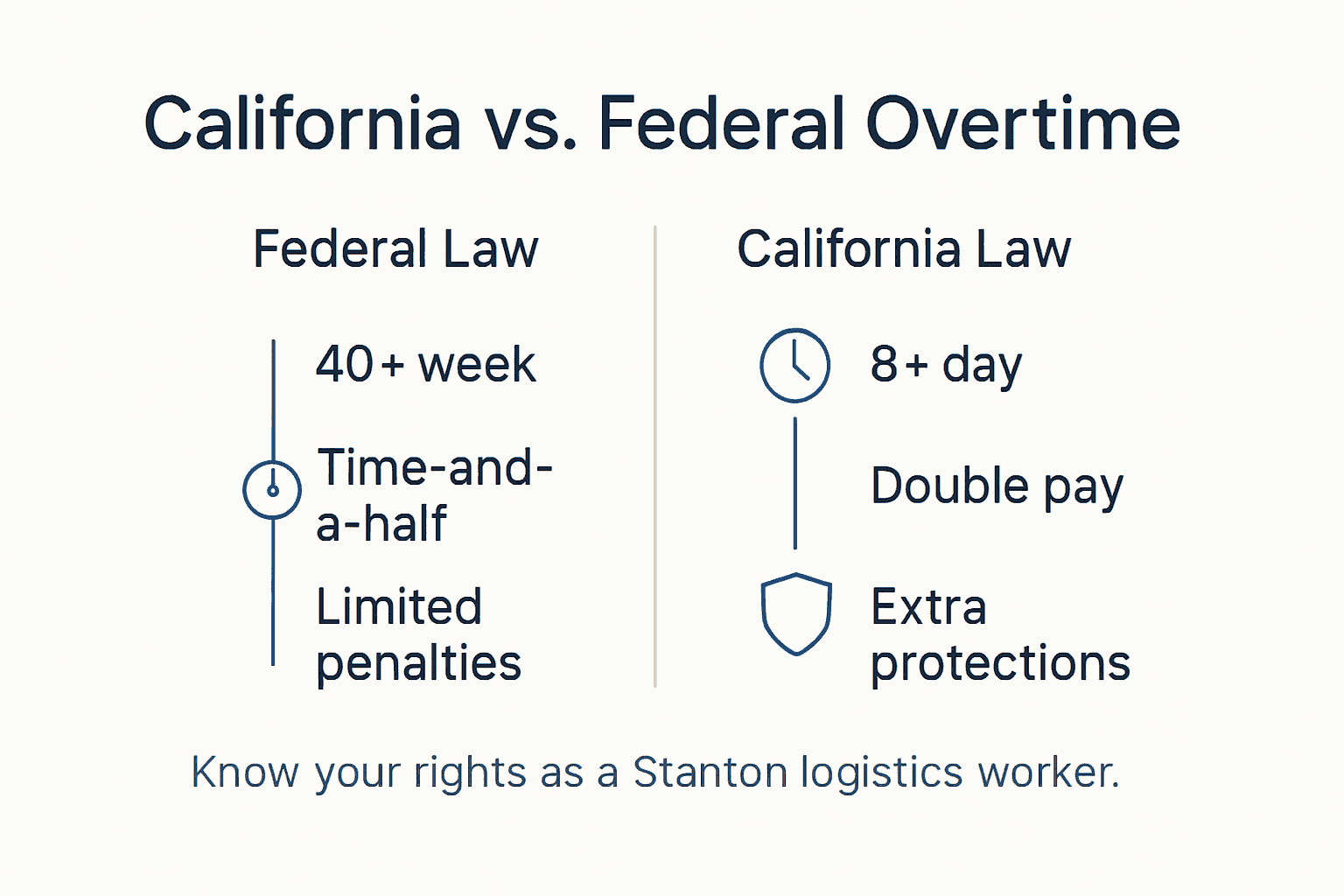
Unlike federal guidelines, California’s overtime regulations offer more comprehensive protections for logistics employees. Workers are entitled to receive time-and-a-half pay for hours worked beyond 8 daily or 40 weekly, with specific provisions that ensure fair compensation. The state’s minimum wage increases to $16.90 per hour in 2026, which directly impacts overtime calculations and total compensation for distribution center workers.
Employers must carefully track work hours and comply with these stringent state requirements. Studies indicate that some employers attempt to reduce hours to avoid overtime payments, but California law explicitly prohibits such practices. Distribution center workers have the right to receive premium pay for additional hours worked, with clear guidelines designed to protect employee earnings and prevent workplace exploitation.
Pro tip: Maintain a detailed personal log of all work hours, including setup and breakdown times, to ensure you’re accurately compensated for every minute worked.
Here’s a quick comparison of federal vs. California overtime laws for logistics workers:
| Criteria | Federal Law (FLSA) | California Law |
|---|---|---|
| Overtime Threshold | Over 40 hours/week | Over 8 hours/day or 40/week |
| Overtime Pay Rate | 1.5x regular wage | 1.5x regular wage |
| Record-Keeping | Employer maintained logs | Employer and employee logs |
| Minimum Wage (2026) | Federal standard applies | $16.90 per hour |
Employer Obligations Under State and Federal Law
Employers in Stanton’s logistics industry must navigate complex legal requirements governing overtime compensation. Federal law mandates specific obligations for employers regarding overtime payments and employee protections, establishing clear standards for compensating non-exempt workers.
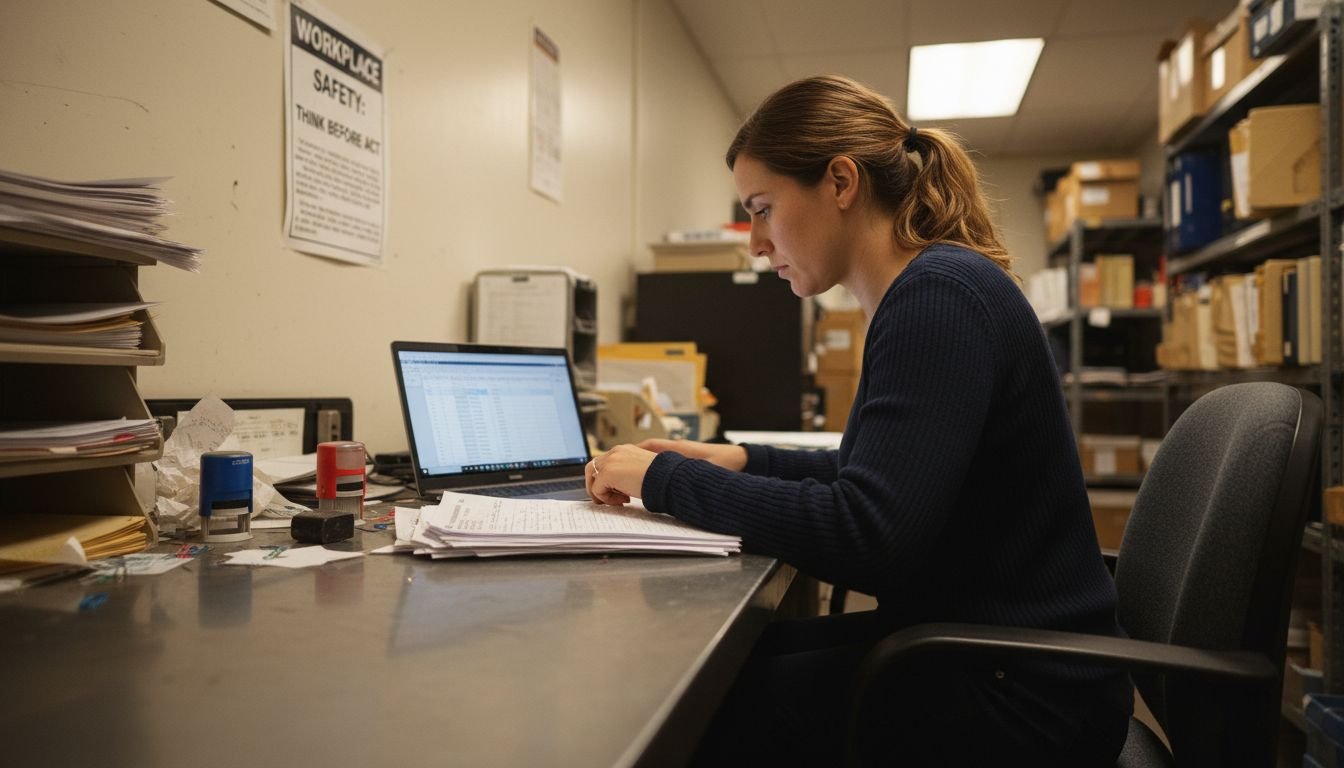
Under the Fair Labor Standards Act (FLSA), employers are required to pay non-exempt employees overtime at a rate of at least 1.5 times their regular hourly wage for all hours worked beyond 40 in a workweek. This requirement includes maintaining precise records of employee work hours, ensuring accurate compensation, and strictly prohibiting any retaliatory actions against workers who assert their legal rights.
Legal regulations impose significant consequences for employers who fail to meet these critical wage and hour requirements. Potential penalties can include substantial back pay liabilities, legal enforcement actions, and financial sanctions. Distribution center managers must carefully track employee hours, correctly classify workers, and implement transparent payroll practices to avoid potential legal challenges.
Pro tip: Conduct regular internal audits of payroll and overtime records to proactively identify and correct potential compliance issues before they escalate into legal disputes.
Filing an Overtime Claim: Process and Evidence
Logistics workers in Stanton seeking to recover unpaid overtime must understand the critical steps for filing a formal claim. Employees can initiate the process by filing a confidential complaint with the Wage and Hour Division of the U.S. Department of Labor, which provides multiple channels for reporting wage violations including phone, mail, and online submissions.
Documentation serves as the backbone of any successful overtime claim. Workers should systematically collect critical evidence such as time cards, pay stubs, work schedules, and detailed records of hours worked beyond standard shifts. Legal statutes under 29 U.S.C. 216(b) empower employees to pursue individual or collective lawsuits directly against employers, allowing workers to seek back pay, liquidated damages, and potential attorney’s fees.
The investigation process typically involves thorough review of employer payroll records, potential interviews with workers, and a comprehensive examination of workplace wage practices. Workers should be prepared to provide consistent, detailed accounts of uncompensated work time and be ready to participate in potential legal proceedings or administrative hearings.
Pro tip: Maintain a contemporaneous, detailed personal log of all work hours, including exact start and end times, to create a robust evidentiary record that can substantiate your overtime claim.
Below are common types of evidence recommended when filing an overtime claim:
| Evidence Type | Example Documents | Purpose |
|---|---|---|
| Time Records | Work logs, time cards | Verifies actual hours worked |
| Pay Documentation | Pay stubs, payroll reports | Confirms wage payments and shortfalls |
| Scheduled Shifts | Work schedules, shift rosters | Shows planned vs. actual hours |
| Communication Logs | Emails, text messages | Documents job duties and disputes |
Risks of Employer Retaliation and Legal Protections
Stanton logistics workers pursuing unpaid overtime claims must understand the critical legal protections against workplace retaliation. Employees are shielded by comprehensive laws that prohibit employers from taking adverse actions in response to asserting workplace rights, including filing overtime compensation complaints.
Retaliation can manifest in various damaging forms such as unexpected demotion, reduced work hours, salary cuts, or outright termination. Workers must recognize that these actions are illegal when they occur as a direct consequence of reporting wage violations. Legal standards require employees to demonstrate a causal connection between their protected activity and the employer’s adverse action, which means documenting precise timelines and communications becomes crucial for building a successful retaliation claim.
The legal framework provides robust remedies for workers experiencing workplace retaliation. Potential outcomes of a successful claim can include reinstatement to previous position, recovery of lost wages, compensation for emotional distress, and potential punitive damages against the employer. Workers should understand that retaliatory actions can occur months after the initial complaint, and even subtle workplace changes might constitute unlawful retaliation.
Pro tip: Preserve all communication records, maintain a detailed journal of workplace interactions, and seek legal consultation immediately if you suspect retaliatory treatment following an overtime claim.
Seeking Legal Help for Overtime Recovery
Logistics workers in Stanton confronting unpaid overtime challenges have multiple avenues for seeking legal recovery. Employees can pursue wage claims through the Department of Labor’s enforcement mechanisms or by initiating private lawsuits, which offer comprehensive routes to recover lost compensation.
The legal process for overtime recovery involves several critical steps. Workers may seek back wages, liquidated damages, attorney’s fees, and potential court costs. Willful violations by employers can trigger additional penalties, including potential fines and criminal sanctions. Professional legal guidance becomes crucial in navigating the complex landscape of wage and hour claims, ensuring workers understand their rights and the most effective strategies for pursuing compensation.
The Wage and Hour Division provides confidential complaint resources and trained representatives to assist workers through the claims process, offering support and guidance for those seeking to recover unpaid overtime. These government resources can help workers understand their legal options, protect against potential retaliation, and connect with additional legal aid support.
Pro tip: Collect and preserve all employment documentation, including time records, pay stubs, and communication logs, before consulting with an employment attorney to strengthen your overtime recovery claim.
Protect Your Rights Against Unpaid Overtime in Stanton Logistics Work
If you are a logistics worker in Stanton struggling with unpaid overtime or wage violations you are not alone. The challenges of navigating complex federal and California overtime laws can leave many workers feeling overwhelmed and uncertain about how to secure the pay they deserve. Common issues like missed breaks, improper record-keeping, and employer retaliation create real obstacles that demand clear legal support.
At Serendib Law Firm we specialize in standing up for employees facing wage violations and unpaid overtime claims. Our experienced team provides personalized guidance to help you recover lost wages and defend your rights. Do not let unpaid hours or unfair employer practices take away your hard-earned pay. Learn more about your rights and discover effective legal solutions by visiting our Wage Violations Archives | Serendib Law Firm page.
Take control of your situation today. Contact us at Serendib Law Firm for a free consultation to discuss your case and explore your options. Acting promptly can protect you from further loss and retaliation. Get the trusted legal help you deserve to fight unpaid overtime in Stanton’s logistics sector.
Frequently Asked Questions
What qualifies as unpaid overtime for logistics workers?
Unpaid overtime for logistics workers is defined as any hours worked beyond 40 hours in a single workweek. This includes tasks such as waiting time, on-call periods, and certain travel-related activities directly related to job duties.
How do California’s overtime laws differ from federal regulations?
California’s overtime laws require payment for hours worked beyond 8 hours in a single day or 40 hours in a week, which provides stronger protections than federal regulations that only mandate overtime pay after 40 hours in a workweek.
What steps should I take to file an unpaid overtime claim?
To file an unpaid overtime claim, gather evidence such as time cards, pay stubs, and work schedules. You can then submit a complaint to the Wage and Hour Division of the U.S. Department of Labor through various channels, including online, by phone, or by mail.
What protections do I have against employer retaliation for filing an overtime claim?
Employees are protected by law against retaliation for asserting their rights related to wage claims. This means actions like demotion or reduced hours taken in response to filing an overtime claim are illegal. Documenting communications and timelines is crucial to prove any retaliatory behavior.
Recommended
- Overtime | Serendib Law Firm
- Wage-and-Hour Class Actions in Fountain Valley Logistics
- Wage and Hour Claims – General Rules and Violations | Serendib Law Firm
- Experienced Stanton Employment Law Attorneys
- Ψηφιακή Κάρτα Εργασίας: ξεκινά η απογραφή για το σύνολο των εργαζομένων – Χρήστος Καβαλλάρης – Λογιστής