

Healthcare workers across Southern California face mounting pressures that often lead to burnout and workplace retaliation when they speak up. While no Kaiser Permanente facility operates directly in Fountain Valley, nearby locations including Fontana, Woodland Hills, and Baldwin Park have become focal points for significant legal battles involving wrongful termination and whistleblower retaliation. Understanding your rights and recognizing early warning signs can protect your career and wellbeing. This article examines the realities of healthcare worker burnout, notable retaliation cases in the region, and the legal protections available to you in 2026.
Table of Contents
- Understanding Healthcare Worker Burnout At Kaiser Permanente Near Fountain Valley
- Retaliation Claims And Legal Precedents Involving Kaiser Permanente Healthcare Workers In Southern California
- Navigating Your Rights And Protections As A Burnout Or Retaliation Affected Kaiser Healthcare Worker
- Protect Your Rights With Experienced Legal Support
- Frequently Asked Questions
Key takeaways
| Point | Details |
|---|---|
| Burnout affects most Kaiser nurses | Studies show 96% burnout among Kaiser Permanente nurses in medical-surgical units before intervention programs. |
| Retaliation verdicts reach millions | A Woodland Hills Kaiser nurse won $41.5 million for wrongful termination after reporting understaffing concerns. |
| Legal protections exist statewide | California whistleblower laws shield healthcare workers who report safety violations from employer retaliation. |
| Systemic issues persist regionally | Mental health workers’ strikes in Southern California highlight ongoing staffing and burnout problems. |
| Documentation protects your rights | Recording incidents and seeking legal counsel early strengthens retaliation claims and wrongful termination cases. |
Understanding healthcare worker burnout at Kaiser Permanente near Fountain Valley
Burnout manifests through three core symptoms that healthcare workers should recognize immediately. Emotional exhaustion leaves you feeling drained even after rest. Cynicism toward patients or colleagues replaces the compassion that drew you to healthcare. Reduced professional efficacy makes even routine tasks feel overwhelming.
These symptoms don’t appear randomly. Chronic understaffing forces nurses and clinicians to carry unsafe patient loads. Administrative demands pile up while support staff positions remain unfilled. Equipment shortages and outdated technology add friction to every shift. When you raise concerns, management dismisses them or worse, targets you for speaking up.
Although Fountain Valley itself lacks a Kaiser Permanente facility, the regional picture tells a sobering story. The Fontana Medical Center, roughly 50 miles away, operates under the same system that produced 96% burnout rates among medical-surgical nurses at the Roseville facility in Northern California. While that particular unit saw a 42% improvement after implementing HeartMath resilience training, such programs haven’t reached most Southern California locations consistently.
The situation intensified when mental health workers across Southern California Kaiser facilities went on strike in March 2026. Their demands centered on staffing ratios, appointment availability, and workload distribution. These strikes reflect systemic problems that affect all Kaiser departments, not just mental health services. Contract disputes reveal that improvements in Northern California rarely translate to Southern California facilities at the same pace.
Pro Tip: Track your daily patient ratios, missed breaks, and overtime hours in a personal log. This documentation becomes critical evidence if you later face retaliation for raising concerns about unsafe conditions. Include dates, times, and specific incidents that illustrate patterns of understaffing or inadequate resources.
Recognizing burnout early gives you options before it escalates into serious health problems or forces you into confrontations with management. Healthcare workers near Fountain Valley should understand that whistleblower protections exist specifically to shield you when you report these dangerous conditions. Your exhaustion isn’t a personal failing. It’s a predictable response to systemic problems that require legal and organizational solutions.
Retaliation claims and legal precedents involving Kaiser Permanente healthcare workers in Southern California
Southern California Kaiser facilities have generated some of the most significant retaliation verdicts in recent healthcare employment law. These cases establish clear patterns of how employers respond when workers report safety concerns, and they demonstrate the substantial damages courts award when retaliation occurs.
The most striking example involved a neonatal intensive care unit nurse at Kaiser Permanente Woodland Hills. After repeatedly reporting dangerous understaffing levels that jeopardized patient safety, management terminated her employment. A jury awarded her $41.5 million in 2023, with $40 million designated as punitive damages. While courts later reduced the punitive portion, the case sent shockwaves through healthcare employment practices across the region.
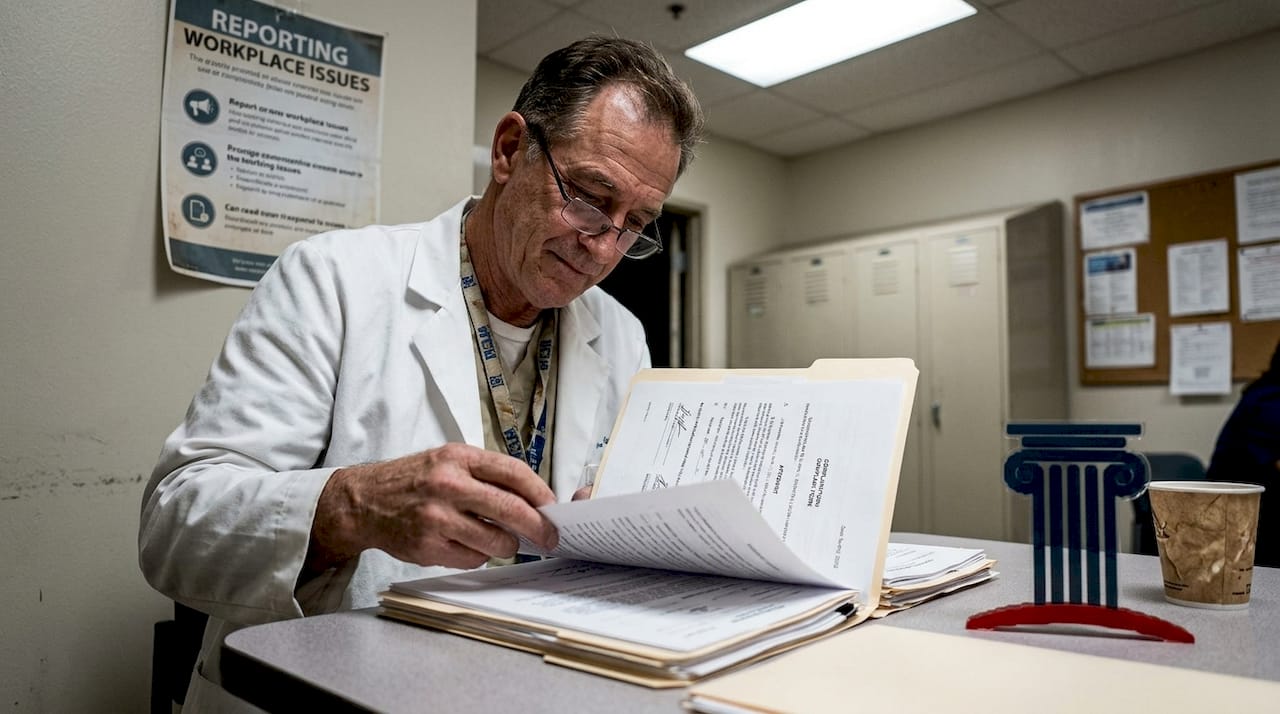
More recently, a pharmacist at the Baldwin Park clinic reached a tentative settlement in February 2026 after filing whistleblower retaliation claims. The pharmacist alleged termination followed complaints about safety protocols and operational deficiencies. Settlement terms remain confidential, but the case demonstrates that retaliation claims continue to emerge across different Kaiser departments and job categories.
These cases fall into distinct legal categories that matter for your protection. Whistleblower retaliation occurs when employers punish workers for reporting violations of law, regulation, or public policy. Wrongful termination involves firing employees in violation of their contract terms or public policy protections. Contract violation claims arise when employers breach specific employment agreement terms, often related to disciplinary procedures or termination requirements.
| Case Location | Year | Role | Claim Type | Initial Verdict/Settlement |
| — | — | — | — |
| Woodland Hills | 2023 | Neonatal Nurse | Wrongful Termination | $41.5M jury verdict |
| Baldwin Park | 2026 | Pharmacist | Whistleblower Retaliation | Confidential settlement |
| Various SoCal | 2026 | Mental Health Workers | Labor Dispute/Strike | Ongoing negotiations |
California law provides multiple layers of protection for healthcare workers who report problems. Labor Code Section 1102.5 prohibits retaliation against employees who disclose violations of state or federal law to government agencies or internally. Health and Safety Code provisions protect workers who report patient care concerns. The California Whistleblower Protection Act extends these protections broadly across public policy violations.
Pro Tip: Report concerns through multiple channels simultaneously. File internal complaints with your supervisor and HR, submit reports to relevant state agencies like the California Department of Public Health, and document everything in writing. Multiple contemporaneous reports create a stronger evidentiary record if you later face workplace retaliation.
These legal protections mean little without proper documentation and timely action. Courts evaluate retaliation claims based on timing, consistency, and evidence quality. When you report a safety concern on Monday and receive a negative performance review on Friday, that temporal proximity strengthens your case significantly. Understanding these precedents helps you recognize retaliation patterns early and respond effectively before situations escalate beyond repair. Workers who experience medical leave retaliation face similar dynamics and benefit from the same protective legal frameworks.
Navigating your rights and protections as a burnout or retaliation affected Kaiser healthcare worker
Your legal rights as a healthcare worker extend far beyond basic employment protections. California and federal laws create overlapping safeguards specifically designed to protect workers who report safety violations, staffing inadequacies, or other concerns that affect patient care quality.
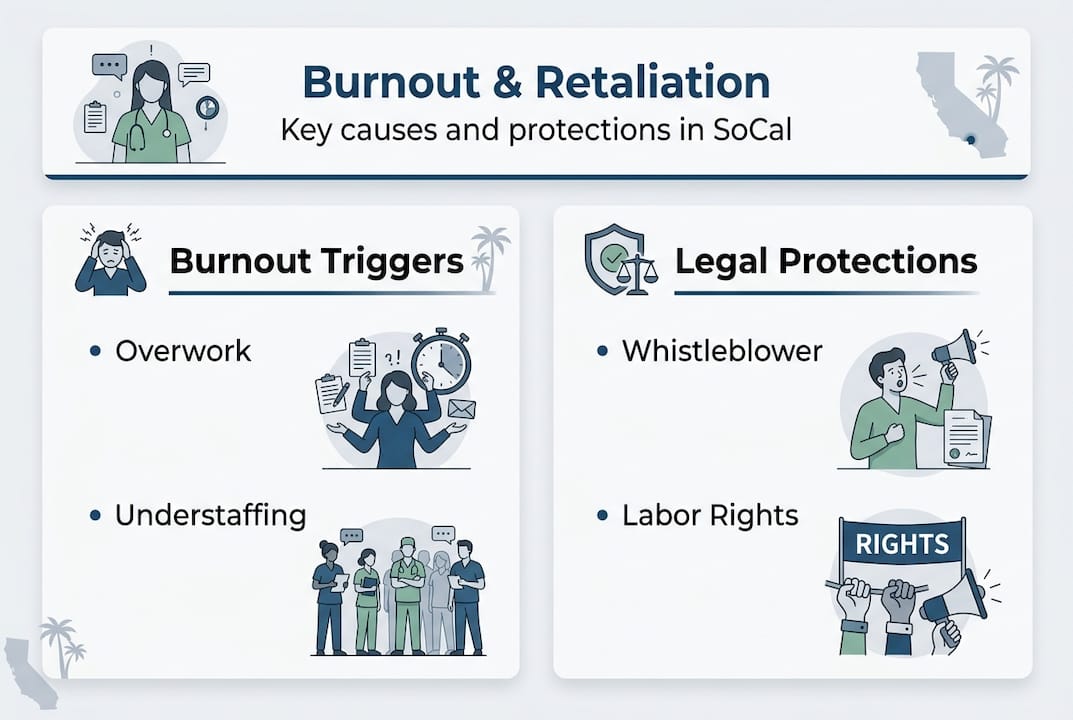
Under California Labor Code Section 1102.5, you can report suspected violations of law to government agencies or internally without fear of retaliation. This protection covers reports about understaffing that violates nurse-to-patient ratios, equipment failures that endanger patients, and administrative practices that compromise care standards. Federal laws including the Occupational Safety and Health Act and various whistleblower statutes add additional layers of protection when your concerns involve workplace safety or public health.
When you decide to file a complaint, follow these steps to maximize your legal protections:
- Document the underlying problem thoroughly with dates, times, specific incidents, and any witnesses who can corroborate your observations.
- Report the issue through your facility’s internal channels first, typically starting with your immediate supervisor and escalating to human resources if necessary.
- File a complaint with the appropriate government agency, such as the California Department of Public Health for patient care concerns or Cal/OSHA for workplace safety issues.
- Consult with an employment attorney before taking any action that might be perceived as confrontational or before signing any documents presented by your employer.
- Continue documenting any changes in how management treats you after you file complaints, including schedule changes, performance reviews, or disciplinary actions.
Legal counsel plays a critical role in protecting you from retaliation. An experienced attorney can review your situation before you file complaints, helping you understand which agencies offer the strongest protections and how to frame your concerns for maximum legal impact. If retaliation occurs, your attorney can immediately send a cease and desist letter, file administrative complaints, and prepare litigation if necessary. Many whistleblower retaliation cases resolve more favorably when attorneys intervene early.
The ongoing labor strikes by Kaiser mental health workers in Southern California illustrate how collective action addresses systemic burnout causes. These strikes focus on staffing ratios, appointment availability, and workload management. While individual legal claims protect you from personal retaliation, labor actions tackle the root organizational problems that create burnout conditions across entire facilities.
You maintain specific protections when reporting various concerns:
- Patient safety violations including inadequate staffing, missing equipment, or unsafe protocols
- Workplace safety hazards that endanger you or colleagues
- Violations of professional licensing standards or scope of practice requirements
- Fraudulent billing practices or other financial misconduct
- Discrimination or harassment based on protected characteristics
- Violations of meal and rest break requirements under California law
These protections extend to workers who participate in investigations, testify about workplace problems, or refuse to participate in activities that would violate professional standards. If your employer retaliates by terminating you, demoting you, reducing your hours, or creating a hostile work environment, you have legal recourse through administrative complaints and civil litigation.
Understanding your rights transforms you from a passive victim of workplace dysfunction into an empowered professional who can advocate for yourself and your patients. Healthcare workers in Tustin, Anaheim, and throughout Orange County face similar challenges and benefit from the same legal frameworks. Taking action early, before retaliation escalates or burnout becomes debilitating, gives you the strongest position to protect your career and wellbeing.
Protect your rights with experienced legal support
Healthcare workers facing burnout or retaliation near Fountain Valley deserve specialized legal representation that understands both employment law and the unique pressures of medical environments. Serendib Law Firm brings focused experience in employment disputes involving wrongful termination, whistleblower retaliation, and workplace discrimination across Southern California.
Our team has represented healthcare professionals in cases against major hospital systems and medical groups throughout Orange County and beyond. We understand how retaliation unfolds in clinical settings, from subtle schedule changes to overt termination. Our approach combines aggressive advocacy with practical guidance that protects your career while pursuing the compensation you deserve.
With offices serving Lake Forest, Huntington Beach, and surrounding communities, we provide accessible representation for workers throughout the region. We handle cases on a contingency basis when appropriate, meaning you pay no fees unless we recover compensation for you. Our bilingual staff ensures clear communication throughout your case.
If you’re experiencing retaliation or considering reporting workplace problems, contact us for a confidential consultation. We’ll evaluate your situation, explain your options, and help you take the steps necessary to protect your rights. Don’t wait until retaliation escalates or burnout forces you out of your profession. Early legal guidance from experienced Orange County workplace retaliation lawyers can make the difference between losing your career and securing the justice you deserve.
Frequently asked questions
What is burnout and how can I tell if I am experiencing it?
Burnout combines emotional exhaustion, cynicism toward your work, and reduced professional efficacy. You might feel drained despite adequate sleep, develop negative attitudes toward patients or colleagues, or struggle with tasks that once felt routine. Physical symptoms include headaches, digestive problems, and sleep disturbances. If you notice these patterns persisting for weeks, especially alongside increased workplace demands or inadequate support, you’re likely experiencing burnout rather than temporary stress.
Can I file a retaliation claim if I report staffing shortages at my Kaiser facility?
Yes, California law protects employees who report unsafe staffing levels that violate nurse-to-patient ratios or endanger patient safety. If your employer responds to your complaints with termination, demotion, schedule changes, or other adverse actions, you have grounds for a retaliation claim. Document your staffing concerns and any management responses carefully. Consult with whistleblower retaliation attorneys before filing to ensure you follow procedures that maximize your legal protections.
What steps can I take if I face workplace retaliation at Kaiser Permanente?
Document every retaliatory incident with dates, times, witnesses, and specific details about what occurred. Report the retaliation through your facility’s HR department and file complaints with the California Labor Commissioner or Equal Employment Opportunity Commission as appropriate. Avoid confrontational communications that could be used against you later. Contact experienced workplace retaliation lawyers immediately to review your options and protect your rights before the situation escalates further.
Where can I get legal help in Southern California for burnout or retaliation issues?
Serendib Law Firm provides experienced representation for healthcare workers throughout Orange County and Southern California facing retaliation, wrongful termination, and employment disputes. Our Lake Forest employment law attorneys serve clients across the region with free consultations and contingency fee arrangements in appropriate cases. We understand the unique pressures healthcare workers face and have successfully represented professionals in cases against major hospital systems and medical groups.