
Working at a surf or apparel brand in California can feel like a dream job. But when you report a dangerous condition and your employer turns on you, that dream gets complicated fast. Retaliation after a safety complaint is more common than most workers realize, and the surf and apparel industry is no exception. California law gives you real protections, but knowing those protections exist and actually using them are two very different things. This guide walks you through what retaliation looks like, what recent cases reveal, and exactly what steps to take if you believe your employer is punishing you for speaking up.
Table of Contents
- Understanding employee retaliation after reporting safety issues
- Recent cases: What happens when you report unsafe conditions?
- Your legal rights and remedies if you face retaliation
- Challenging retaliation: How to build your strongest case
- Why most surf and apparel employees underestimate retaliation risks
- Take action: Get help with retaliation claims at surf and apparel brands
- Frequently asked questions
Key Takeaways
| Point | Details |
|---|---|
| Retaliation protections exist | California law shields employees who report safety issues, including those at major surf and apparel brands. |
| Evidence is critical | Winning retaliation cases depends on careful documentation and a clear timeline of employer actions. |
| Remedies for victims | Victims of retaliation may receive reinstatement, back and front pay, damages, and attorney fees. |
| Deadlines matter | You must act within one year for administrative filings or three years for lawsuits. |
| Legal support helps | Experienced employment attorneys can maximize your chances of success when facing retaliation. |
Understanding employee retaliation after reporting safety issues
To understand how employees become targets, let’s define exactly what retaliation looks like and who gets protected.
Retaliation happens when an employer takes a negative action against you because you reported a safety concern or exercised a protected right. It does not always look like an immediate firing. In fact, many workers miss the early signs entirely.
Under California Labor Code Section 1102.5, employers cannot punish workers for reporting violations of law, including workplace safety rules. The California Occupational Safety and Health Act (Cal/OSHA) also prohibits retaliation against employees who flag unsafe conditions. These protections cover workers at retail stores, warehouses, and distribution centers, including those at surf and apparel brands.
Common forms of retaliation in retail and warehouse workplaces:
- Sudden demotion or shift changes after a complaint
- Reduction in hours or pay
- Unwarranted negative performance reviews
- Exclusion from meetings or team communications
- Threats, intimidation, or hostile treatment from supervisors
- Termination shortly after a safety report
Protected actions include reporting extreme heat in a warehouse, flagging broken equipment, raising concerns about missing personal protective equipment (PPE), or filing a formal complaint with Cal/OSHA. Even informal verbal complaints to a manager can qualify.
California courts take these cases seriously. As one landmark verdict showed, Birdwell was ordered to pay $3.68 million in a retaliation suit involving a surf brand, confirming that general protections apply to surf and apparel companies, even when high-profile cases are rare.
“A $3.68 million verdict against a surf brand for retaliation sends a clear message: no employer in this industry is above California law.”
If you are unsure whether your situation qualifies, reviewing the safety complaints process can help you understand what protections apply to your specific role.
Recent cases: What happens when you report unsafe conditions?
Knowing the law is important, but how do these rights play out in actual cases?
In 2025, a former Vans employee sued over extreme heat at a distribution center, alleging workers were forced to operate in temperatures exceeding 100 degrees Fahrenheit. That is well above safe working limits under California heat illness prevention standards, which require action when indoor temperatures reach dangerous levels. The case highlights a critical reality: retaliation may not always be explicit, but the circumstances surrounding a complaint often tell a story.
What this case teaches is that evidence matters more than intent. An employer rarely sends an email saying “we are punishing you for complaining.” Instead, you may notice a sudden shift in how you are treated, what shifts you receive, or how your performance is evaluated.
Pro Tip: Start a written log the same day you file any safety complaint. Record dates, names, what was said, and any changes in how you are treated. This timeline becomes your most important piece of evidence.
Here is a snapshot of recent notable safety complaint situations at California surf and apparel brands:
| Brand | Issue reported | Alleged retaliation | Outcome |
|---|---|---|---|
| Vans (distribution center) | Extreme heat above 100°F | Not publicly detailed | Lawsuit filed 2025 |
| Birdwell | Workplace culture and safety concerns | Hostile work environment | $3.68M verdict for employee |
| General apparel retail | PPE and equipment violations | Demotion, schedule changes | Varies by case |
For workers in warehouses and distribution roles, reviewing a worker retaliation claims guide specific to your type of workplace can clarify what evidence you need to gather from day one.
Your legal rights and remedies if you face retaliation
With actual cases in mind, here is what the law entitles you to if you experience retaliation.

California gives workers two main paths: filing an administrative claim with the Labor Commissioner or filing a civil lawsuit. Each has different timelines and potential outcomes.
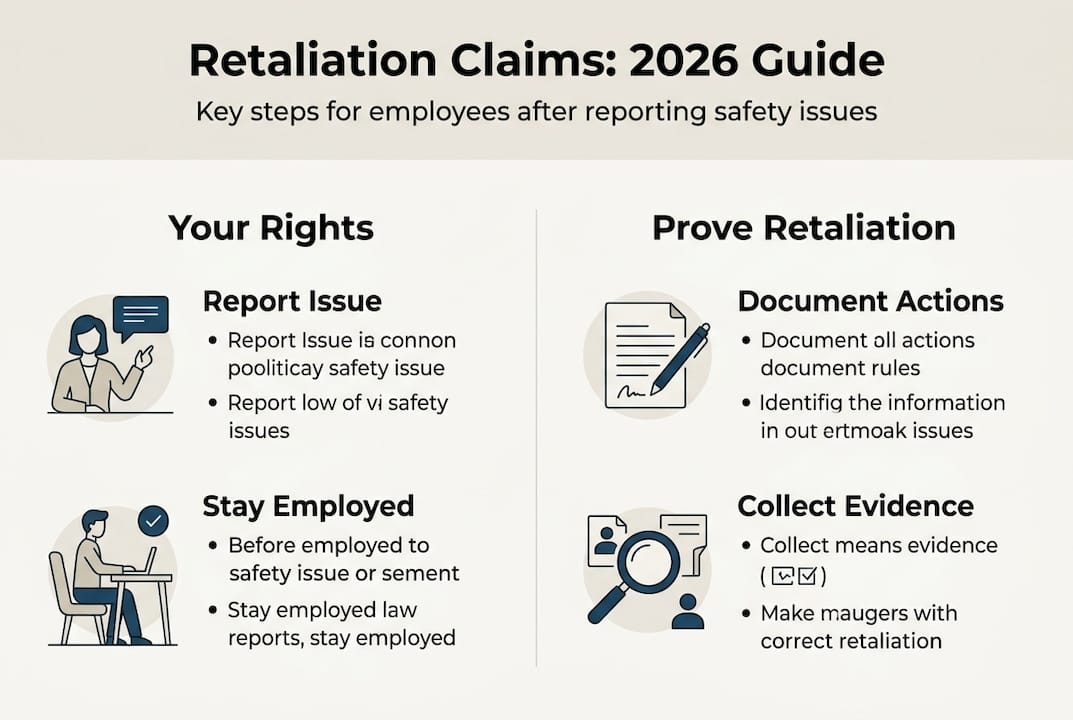
Steps to take if you believe you are facing retaliation:
- Report the retaliation in writing to your HR department and keep a copy.
- Document every adverse action with dates, names, and details.
- File a complaint with the California Labor Commissioner or Cal/OSHA.
- Consult an employment attorney before accepting any settlement or signing documents.
- Preserve all emails, texts, performance reviews, and schedules.
The remedies available under California law include job reinstatement, back pay, front pay, emotional distress damages, punitive damages, and attorney fees. These are not small amounts, especially when punitive damages are added for egregious employer conduct.
Time limits are strict. You have one year to file an administrative claim with the Labor Commissioner and three years to file a civil lawsuit. Missing these deadlines can eliminate your options entirely.
| Factor | Administrative claim | Civil lawsuit |
|---|---|---|
| Deadline | 1 year from retaliation | 3 years from retaliation |
| Process speed | Faster, less formal | Slower, more thorough |
| Evidence required | Moderate | Higher standard |
| Possible awards | Reinstatement, back pay | Full damages including punitive |
| Attorney involvement | Optional but helpful | Strongly recommended |
Connecting with Orange workplace retaliation lawyers early in the process can help you choose the right path and avoid costly procedural mistakes.
Challenging retaliation: How to build your strongest case
Understanding your remedies, it is just as crucial to know how to make your case stick and what employers are likely to do in response.
Employers rarely admit to retaliation. Instead, they typically argue that any negative action was based on legitimate business reasons, such as poor performance, restructuring, or budget cuts. These defenses are common, and they can be convincing to a judge or jury if you do not have strong counter-evidence.
Evidence you need to build a strong retaliation case:
- A written timeline linking your safety complaint to the adverse action
- Emails, texts, or memos showing changes in treatment after your complaint
- Performance reviews from before and after the complaint (to show inconsistency)
- Witness statements from coworkers who observed the retaliation
- Medical records if you experienced stress-related health impacts
- Any HR communications or disciplinary notices
Pro Tip: The closer in time an adverse action follows your safety complaint, the stronger your case for retaliation. Courts look at timing as a key indicator of employer motive.
Employers who fail to document legitimate reasons before a complaint is filed face a much harder time defending themselves and risk punitive damages. That works in your favor if your employer acted impulsively after your report.
Understanding your rights around Santa Ana employee rights and how retaliation after whistleblowing is handled in California courts gives you a clearer picture of what to expect when you push back.
Why most surf and apparel employees underestimate retaliation risks
Having covered the legal and practical realities, here is a candid perspective you will not hear in most guides.
Most workers believe the law is automatically on their side the moment they file a safety complaint. It is not that simple. The law creates a framework, but winning a case requires concrete, timeline-driven evidence. Without it, even a strong claim can fall apart.
Surf and apparel workplaces often have a tight-knit, casual culture. That culture can actually make retaliation harder to spot and harder to report. When your supervisor is also your friend or a respected figure in the local surf scene, speaking up feels socially costly. That social pressure is real, and it causes many workers to delay documenting or reporting until it is too late.
One missed detail, like failing to record what was said in an HR meeting, can seriously weaken a case. The most important thing we tell workers is this: document both before and after a safety complaint. Workers who only start documenting after retaliation begins often lack the baseline comparison that proves something actually changed.
Failure to document employer actions before a complaint significantly increases the risk of losing in court. Legal rights are powerful, but what wins cases is evidence. If you are also facing job loss, reviewing layoffs and retaliation rights can help you understand whether a layoff is being used as cover for retaliation.
Take action: Get help with retaliation claims at surf and apparel brands
If you think you may be experiencing retaliation, do not face it alone. Here is how to get support.
Retaliation cases involving surf and apparel brands require attorneys who understand both California employment law and the specific dynamics of this industry. Acting early preserves your evidence, protects your deadlines, and gives you the best chance at a real remedy. The Huntington Beach employment law attorneys at Serendib Law Firm serve workers throughout Orange County, including those at major surf and apparel employers. If you are in a neighboring area, Lake Forest employment law attorneys are also available to review your situation. Contact us today for a free consultation and take the first step toward protecting your rights.
Frequently asked questions
What counts as retaliation in a surf or apparel workplace?
Retaliation can include firing, demotion, pay cuts, shift reductions, threats, or harassment after a safety complaint. California courts have confirmed these protections apply to surf and apparel brands, as seen in the $3.68 million Birdwell verdict.
Is there a deadline for filing a retaliation complaint in California?
You have one year for an administrative claim with the Labor Commissioner or three years for a civil lawsuit, so acting quickly is critical. Missing these statutory deadlines can permanently bar your claim.
What should I do first if I feel retaliated against?
Document everything immediately, save all communications, and contact an experienced employment attorney as soon as possible. Employers who fail to document their own actions before a complaint face greater legal exposure, which benefits your case.
Are there special protections for reporting safety issues at brands like Vans?
No unique laws apply specifically to surf or skate apparel brands, but all California anti-retaliation rules fully protect employees in this industry. General protections apply to these companies just as they do to any other California employer, as confirmed by industry-wide case outcomes.