

Most American workers do not realize that nearly one in three retaliation claims filed in California involve public-policy violations. When employers in Santa Ana cross the line and punish employees for standing up for their rights, careers and livelihoods are put at risk. Understanding the real protections behind American anti-retaliation law arms every worker with the knowledge to defend themselves if they ever face unfair treatment in the workplace.
Table of Contents
- Defining Public-Policy Retaliation In Santa Ana
- Key Legal Standards And California Precedents
- When Refusing To Lie Becomes Protected Activity
- Employee Rights And Reporting Procedures
- Risks, Remedies, And Employer Retaliation Liability
Key Takeaways
| Point | Details |
|---|---|
| Public-Policy Retaliation Defined | Employees in Santa Ana are legally protected from employer retaliation for engaging in protected activities such as reporting misconduct or participating in investigations. |
| California Employment Law Protections | California law mandates robust protections against workplace retaliation, ensuring employees can challenge unfair treatment without fear of repercussions. |
| Rights and Reporting Procedures | Employees have clear procedures for reporting workplace retaliation, which include documenting incidents and formally filing complaints with state agencies. |
| Risks for Employers | Employers face significant legal and financial consequences for retaliating against employees, including penalties and potential civil litigation. |
Defining Public-Policy Retaliation in Santa Ana
Public-policy retaliation represents a critical legal protection for employees who speak out against workplace misconduct or participate in legally protected activities. In Santa Ana, this concept safeguards workers from punitive actions by employers who attempt to silence or penalize employees exercising their fundamental rights.
The City of Santa Ana has established clear guidelines to protect workers from retaliatory practices. Anti-Retaliation Policy guidelines outline specific protections for employees who report workplace violations, participate in investigations, or challenge potentially illegal employer behaviors. These protections extend across various scenarios, including reporting safety violations, discrimination, wage disputes, or whistleblowing about unethical practices.
Under California law, public-policy retaliation occurs when an employer takes adverse action against an employee for engaging in legally protected activities. Such actions might include termination, demotion, reduced hours, pay cuts, or creating a hostile work environment. California labor standards provide comprehensive frameworks for employees to file complaints and seek legal remedies when they experience workplace retaliation.
Specifically, employees are protected when they:
- Report illegal workplace practices
- File discrimination or harassment complaints
- Participate in workplace investigations
- Refuse to perform illegal tasks
- Discuss workplace rights or working conditions
These protections ensure that employees can speak up without fear of professional consequences, maintaining workplace integrity and individual worker rights.
Key Legal Standards and California Precedents
California employment law provides robust protections against workplace retaliation, establishing comprehensive legal standards that safeguard employee rights. These standards are designed to prevent employers from taking adverse actions against workers who exercise their fundamental legal protections and challenge workplace misconduct.
The California Fair Employment and Housing Act serves as a cornerstone for employee protections, establishing clear guidelines that prohibit discriminatory and retaliatory workplace practices. This landmark legislation creates a framework that allows employees to challenge unfair treatment without fear of professional repercussions, ensuring workers can speak up about potential violations of labor rights.
Under California precedent, public-policy retaliation claims typically require employees to demonstrate several key elements. Workers must prove they were engaged in a protected activity, experienced an adverse employment action, and can establish a direct causal connection between their protected conduct and the employer’s retaliatory response. Protected activities might include reporting workplace safety violations, filing discrimination complaints, participating in internal investigations, or refusing to perform illegal tasks.
Key legal standards for establishing public-policy retaliation in California include:
- Clear documentation of the protected activity
- Evidence of subsequent adverse employment action
- Demonstrating a direct link between the protected activity and employer response
- Proving the employer’s action was motivated by retaliatory intent
- Showing the action violated established public policy principles
These comprehensive legal protections ensure employees can maintain workplace integrity and challenge potential misconduct without risking their professional standing or future employment opportunities.
When Refusing to Lie Becomes Protected Activity
Workplace integrity often requires employees to make difficult decisions when confronted with unethical requests. In many scenarios, workers face tremendous pressure to compromise their professional standards or personal ethics to maintain job security, creating a challenging moral and legal landscape.
California Labor Code protections explicitly safeguard employees who refuse to participate in activities that would violate state or federal statutes. This critical legal provision means workers cannot be punished for declining to engage in dishonest or illegal behaviors, even when such refusal might create tension with supervisors or management.
The legal concept of protected activity extends beyond simple whistleblowing. It encompasses situations where employees might be asked to misrepresent financial records, falsify safety documentation, conceal potential workplace violations, or provide misleading information to regulatory agencies. When an employer attempts to compel an employee to lie or engage in fraudulent activities, the worker has not only the right but also legal protection to refuse such requests.
Specific scenarios where refusing to lie is considered a protected activity include:
- Rejecting instructions to falsify company financial reports
- Declining to misrepresent product safety information
- Refusing to cover up workplace harassment or discrimination
- Avoiding participation in fraudulent billing practices
- Reporting potential legal violations within the organization
By establishing these protections, California law empowers employees to maintain ethical standards without fear of professional retaliation, ensuring workplace transparency and individual moral integrity.
Employee Rights and Reporting Procedures
Workplace protection requires a clear understanding of employees’ rights and the specific procedures for reporting potential violations. Employees in Santa Ana and throughout California have multiple legal channels to address workplace retaliation, ensuring they can challenge inappropriate employer actions without fear of further professional consequences.

Comprehensive complaint filing procedures provide employees with structured pathways to address workplace misconduct. These procedures typically involve documenting the specific incidents of retaliation, gathering supporting evidence, and filing formal complaints with appropriate state agencies such as the California Department of Industrial Relations.
The reporting process for workplace retaliation involves several critical steps that employees must carefully navigate. Workers must typically provide detailed documentation of the protected activity, demonstrate the adverse employment action, and establish a clear causal connection between their protected conduct and the employer’s retaliatory response. This often requires maintaining comprehensive records of communications, performance evaluations, and any incidents that suggest discriminatory or retaliatory treatment.
Key steps in the reporting procedure include:
- Documenting all instances of alleged retaliation
- Collecting supporting evidence and witness statements
- Identifying the specific legal protections that were violated
- Filing a formal complaint with the appropriate state agency
- Maintaining confidential records of all interactions
California law provides robust protections that empower employees to stand up against workplace misconduct, ensuring that workers can assert their rights without risking their professional standing or future employment opportunities.
Risks, Remedies, and Employer Retaliation Liability
Workplace retaliation represents a significant legal risk for employers, with potentially substantial financial and professional consequences for inappropriate actions against employees who exercise their legal rights. The legal landscape in California provides robust protections that create meaningful accountability for organizations that attempt to punish workers for protected activities.
Comprehensive legal guidelines outline the specific risks employers face when engaging in retaliatory behaviors. These risks include monetary penalties, potential civil lawsuits, administrative sanctions, and significant damage to the organization’s professional reputation. Employers can face substantial financial liabilities, including compensatory damages, punitive damages, and mandatory legal fees.
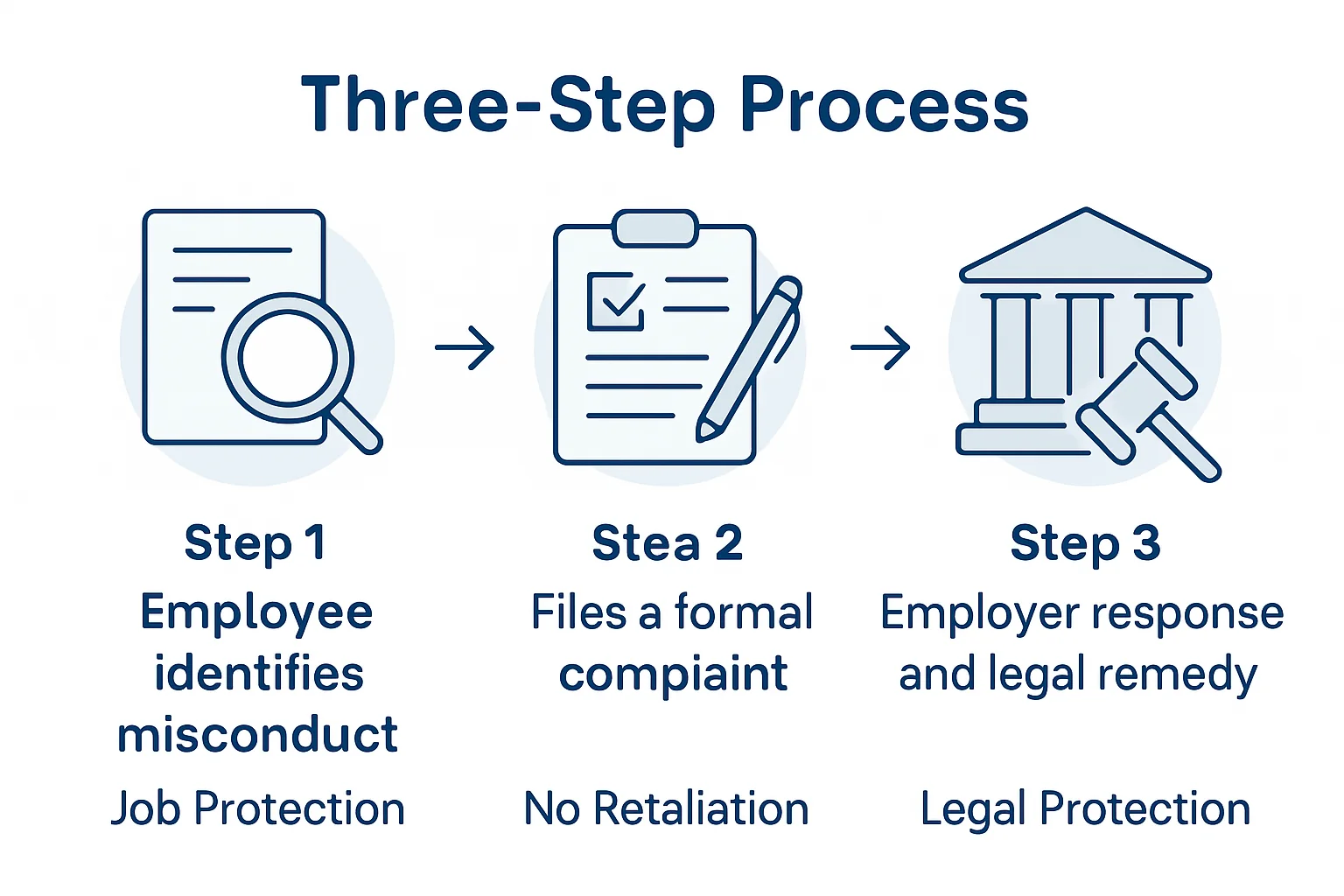
The potential remedies for employees experiencing retaliation are extensive and designed to provide meaningful protection and compensation. Workers who successfully prove retaliation may be entitled to reinstatement, back pay, compensation for emotional distress, punitive damages, and legal fee reimbursement. These remedies serve both to compensate the individual employee and to discourage future retaliatory practices by creating meaningful consequences for employers.
Key risks and potential consequences for employers include:
- Substantial monetary penalties
- Mandatory reinstatement of wrongfully terminated employees
- Potential civil and administrative sanctions
- Significant legal defense costs
- Long-term reputational damage
- Potential criminal charges in severe cases
California law creates a comprehensive framework that empowers employees while holding employers accountable for maintaining fair and ethical workplace environments, ultimately protecting individual worker rights and promoting organizational integrity.
Protect Your Rights Against Public-Policy Retaliation in Santa Ana
If you are facing retaliation for standing up against unfair or illegal workplace practices you are not alone. Public-policy retaliation can include being fired demoted or treated unfairly simply for exercising your legal rights such as reporting violations or refusing to lie. The article highlights how California law offers strong protections but navigating these complex rules requires experienced legal support.
At Serendib Law Firm our dedicated team focuses on helping employees in Santa Ana and across Orange County secure justice when employers engage in retaliation. We understand the emotional toll and professional risk you face. Visit our Retaliation Archives | Serendib Law Firm and Santa Ana Archives | Serendib Law Firm to learn how we fight for your workplace rights.
Do not wait to protect your future. Contact us today at Serendib Law Firm for a free consultation and get the personalized legal advocacy you deserve.
Frequently Asked Questions
What is public-policy retaliation?
Public-policy retaliation refers to legal protections for employees who speak out against workplace misconduct or participate in legally protected activities. It safeguards workers from punitive actions by employers for exercising their rights.
What activities are considered protected under public-policy retaliation laws?
Protected activities include reporting illegal practices, filing discrimination complaints, participating in investigations, refusing to perform illegal tasks, and discussing workplace rights.
How can I prove that I have experienced public-policy retaliation?
To prove retaliation, you must demonstrate you engaged in a protected activity, suffered an adverse employment action, and show a causal connection between the two. Documentation of these events is crucial.
What are the potential remedies for employees who experience retaliation?
Employees who experience retaliation may be entitled to reinstatement, back pay, compensation for emotional distress, punitive damages, and reimbursement for legal fees.
One Response