

Over 30,000 Disneyland cast members have collectively received more than $233 million in wage claim settlements, yet many current employees remain unaware of their rights when facing scheduling chaos and unpaid overtime. If you work at Disneyland Resort in Anaheim and struggle with last-minute shift changes, forced overtime, or confusing pay calculations, you’re not alone. This guide explains your legal protections under California labor law, walks through common violations affecting cast members, and shows you exactly how to claim wages you’ve earned. You’ll discover what recent landmark settlements mean for your situation and learn practical steps to document violations and pursue compensation.
Table of Contents
- Key takeaways
- Understanding your overtime pay rights at Disneyland Anaheim
- Scheduling challenges and their impact on your wages and hours
- Recent wage claim settlements and what they mean for Disneyland cast members
- How to pursue your wage, overtime, and scheduling claims
- Get expert legal help with your Disneyland wage and scheduling concerns
- Frequently asked questions
Key Takeaways
| Point | Details |
|---|---|
| Overtime rights protections | California overtime rules require 1.5x pay after eight hours in a workday or forty hours in a workweek, and double time after twelve hours in a day or after eight hours on the seventh consecutive day, and these apply to hourly cast members. |
| Scheduling violations common | Last minute shift changes and other scheduling issues are widespread and legally actionable under California labor law. |
| Settlements show recoveries | Recent settlements show thousands of cast members recovered unpaid wages through lawsuits, with Disneyland workers receiving more than 233 million in total settlements. |
| Documentation and union protections | Keeping a detailed record of hours and understanding your union contract strengthens wage claims and can provide protections beyond the state minimum. |
Understanding your overtime pay rights at Disneyland Anaheim
California has some of the strongest worker protections in the nation, and overtime laws require 1.5x pay after 8 hours in a workday or 40 hours in a workweek. Double-time pay kicks in after 12 hours in a single day or when you work more than 8 hours on your seventh consecutive workday. These aren’t optional benefits. They’re legal requirements that apply to nearly all hourly cast members.
Many Disneyland employees face wage and hour violations that chip away at their paychecks without them realizing it. Common problems include misclassifying workers as exempt from overtime when they actually qualify, requiring pre-shift preparation work without pay, and miscalculating the base wage rate for overtime purposes. When Measure L increased minimum wages for resort workers, some employers failed to properly adjust overtime calculations, shortchanging employees on every overtime hour worked.
Pro Tip: Create a simple spreadsheet or phone note tracking your actual clock-in and clock-out times, including any work done before your official shift starts or after it ends. Compare this to your paystub every pay period.
Double-time situations catch many cast members by surprise. If you work a 10-hour shift and then get called back for an additional 3 hours the same day, those final hours after the 12-hour mark should pay double your regular rate. Similarly, working more than 8 hours on the seventh straight day of work in a week triggers double-time, not just time-and-a-half. These scenarios happen frequently during peak seasons when the resort needs maximum staffing.
According to California labor statistics, misclassification affects approximately 10-20% of workers in the hospitality industry, costing employees thousands in unpaid overtime annually.
The calculation gets trickier when you receive shift differentials, bonuses, or other compensation beyond base hourly pay. Your regular rate for overtime purposes must include these amounts, proportionally spread across all hours worked. Employers sometimes “forget” this requirement and calculate overtime using only base pay, which illegally reduces what you’re owed. If you work in roles with tips or service charges, understanding how these factor into unpaid overtime claims becomes even more critical.
Scheduling challenges and their impact on your wages and hours
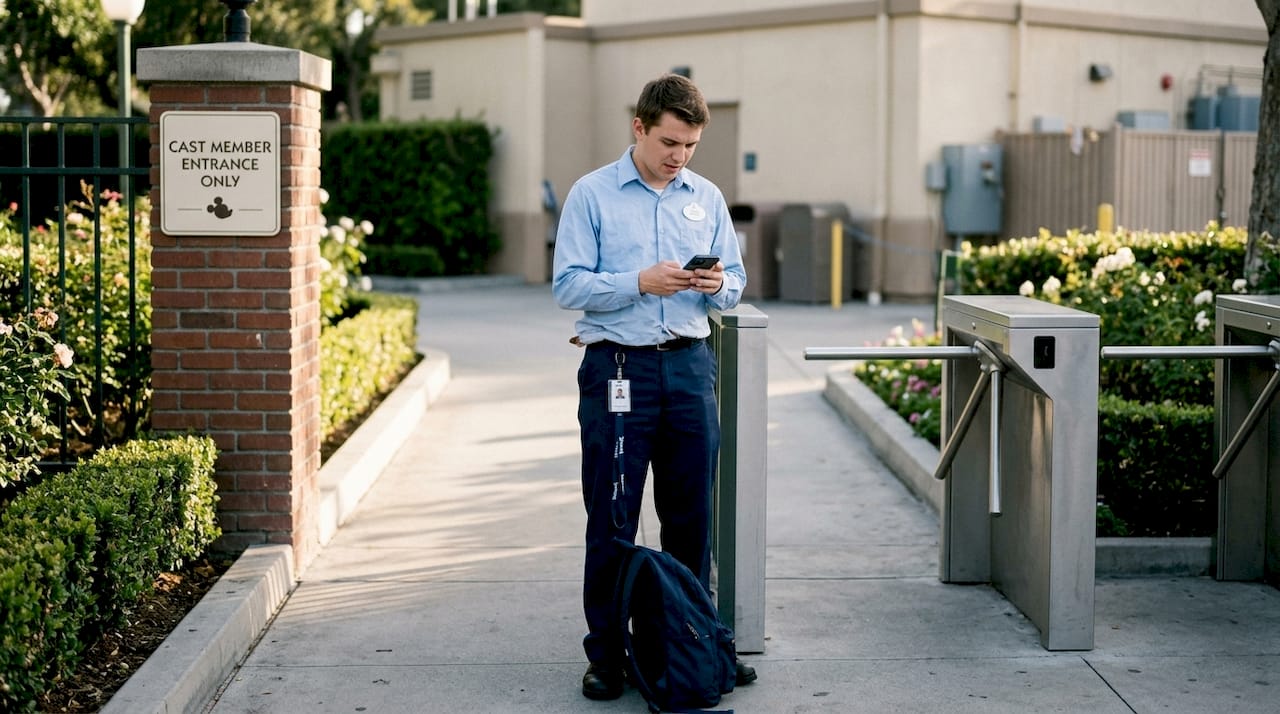
Scheduling unpredictability creates serious financial stress for cast members trying to budget, arrange childcare, or manage second jobs. Cast members face unpredictable shifts with changes announced days or even hours before scheduled start times, violating provisions that require 10-day advance notice for schedule changes. Last-minute alterations force you to scramble, often losing other income opportunities or incurring unexpected expenses.
Forced overtime during peak periods like summer and holidays happens regularly, but California law limits how employers can mandate extra hours. While some overtime can be required, employers must provide reasonable notice and cannot retaliate against workers who refuse under certain circumstances. Many cast members report being scheduled for shifts that end late one day and begin early the next, leaving insufficient rest time between shifts and creating fatigue and safety concerns.
Hour reduction tactics have affected numerous employees despite union contract provisions guaranteeing minimum hours for full-time workers. When your schedule gets cut from 40 hours to 25 or 30 without explanation, it directly impacts your ability to pay bills and plan financially. These reductions often coincide with hiring waves of new part-time staff, spreading available hours thinner across more employees.
Common scheduling violations include:
- Changing shifts with less than required advance notice
- Scheduling split shifts without proper compensation
- Reducing guaranteed hours below contract minimums
- Forcing overtime without adequate rest periods between shifts
- Retaliating against workers who object to schedule changes
- Failing to provide predictable schedules as required by local ordinances
Fair scheduling practices under California law require advance notice for schedule changes, limits on forced overtime, and protections against retaliation when you assert these rights. Some local ordinances in Orange County provide additional protections beyond state minimums. Understanding these rules helps you recognize when your employer crosses legal lines.
Document everything related to your schedule. Take screenshots of posted schedules when they first appear and again when changes occur. Save all text messages, emails, or app notifications about shift changes. Note the date and time you received notice of any change. This documentation becomes crucial evidence if you need to file a complaint or join a lawsuit. Many successful meal and rest break violations cases in nearby workplaces have hinged on employees maintaining detailed records.
Recent wage claim settlements and what they mean for Disneyland cast members
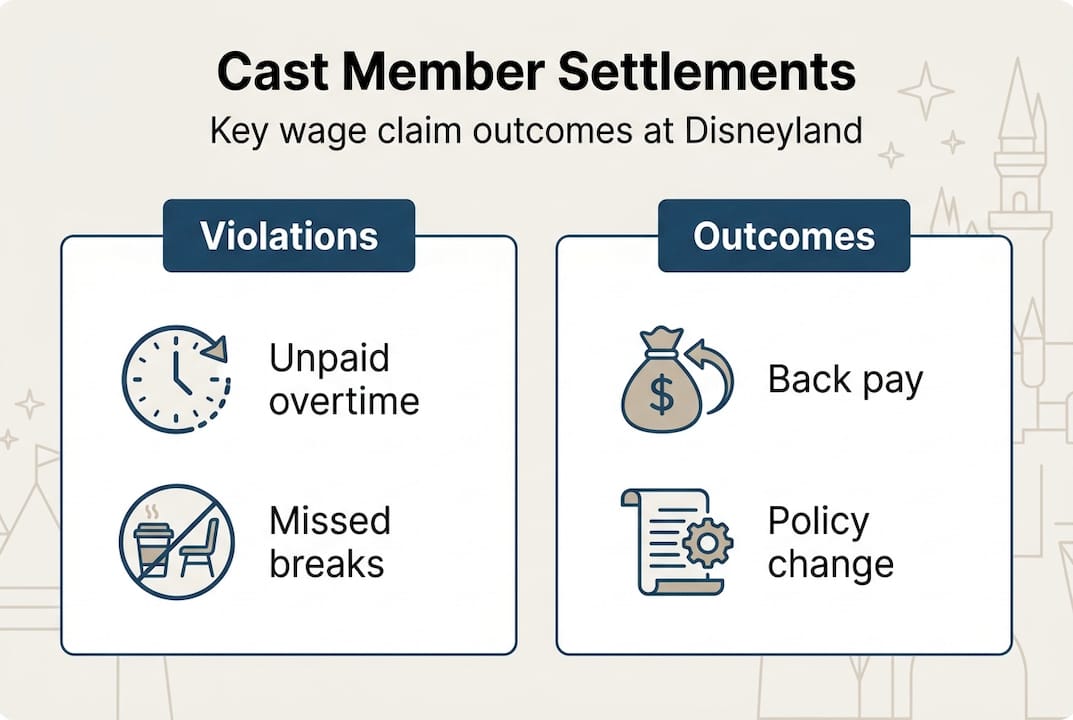
The landmark settlement affecting Disneyland cast members sent shockwaves through California’s hospitality industry. The $233M settlement allocated approximately $179.6M to class members, with individual payouts averaging between $3,000 and $4,500 depending on employment length and position. This wasn’t just about money. It established important legal precedents for how employers must handle scheduling and wage calculations.
The settlement covered multiple violations spanning several years, including unpaid overtime, improper meal and rest break practices, and scheduling issues that violated both state law and union contract terms. Cast members who worked during the relevant time periods received compensation based on a formula considering their job classification, hours worked, and duration of employment. Those with longer tenure and more hours typically received larger payments.
| Employment Duration | Average Settlement Amount | Number of Recipients |
|---|---|---|
| Less than 1 year | $1,200 to $2,000 | ~8,000 |
| 1 to 3 years | $2,500 to $4,000 | ~12,000 |
| 3 to 5 years | $4,000 to $6,500 | ~7,000 |
| Over 5 years | $6,500 to $12,000 | ~3,000 |
This settlement created important legal precedent for California labor claims by clarifying how Measure L wage increases must factor into overtime calculations and establishing that certain pre-shift activities constitute compensable work time. Other hospitality employers throughout Orange County now face increased scrutiny and potential liability if they maintain similar practices.
Pro Tip: If you worked at Disneyland during the settlement period but didn’t receive payment, contact the settlement administrator or an employment attorney immediately. You may have missed claim deadlines, but exceptions sometimes apply.
The broader impact extends beyond immediate financial compensation. The settlement forced policy changes in how Disneyland handles scheduling, overtime assignments, and wage calculations. These reforms benefit current employees by reducing future violations, though vigilance remains necessary. Employers often slip back into old patterns once legal pressure subsides.
Understanding this settlement helps you recognize the value of your own potential claims. If you’ve experienced similar violations since the settlement period ended, you may have grounds for additional compensation. The legal theories and evidence standards established in this case make pursuing new claims more straightforward. Review the verdicts and settlements page to see other successful outcomes in employment cases.
How to pursue your wage, overtime, and scheduling claims
You have multiple pathways to recover unpaid wages and address scheduling violations. You can file claims free with California’s Division of Labor Standards Enforcement or the federal Wage and Hour Division, join class action lawsuits when they’re filed, or bring private lawsuits through an attorney. Each option has advantages depending on your situation.
Follow these steps to build a strong claim:
- Gather all pay stubs covering the period when violations occurred
- Collect copies of posted schedules and any communications about schedule changes
- Create a detailed log of actual hours worked, including unpaid time
- Screenshot or photograph time clock records and schedule postings
- Save all emails, texts, or app messages from supervisors about shifts
- Review your union collective bargaining agreement for relevant provisions
- Note names and contact information of coworkers who witnessed violations
- Document any retaliation or negative treatment after raising concerns
Your union collective bargaining agreement provides additional protections beyond California’s baseline labor laws. These contracts typically guarantee minimum hours for full-time employees, establish procedures for schedule changes, and create grievance processes for disputes. While union contracts cannot reduce your legal right to overtime pay, they often provide extra leverage when addressing scheduling violations or other workplace issues. Understanding both your union rights and legal rights gives you maximum protection.
Timing matters significantly in wage claims. California law generally allows you to recover unpaid wages going back three years, or four years for certain violations. Waiting too long can cost you thousands in recoverable compensation. The statute of limitations starts running from each pay period where you were underpaid, not from when you discovered the problem.
Key timing considerations include:
- File administrative claims within three years of wage violations
- Some penalties and damages extend the recovery period to four years
- Continuing violations restart limitation periods with each occurrence
- Settlement participation may require action within specific claim windows
Pro Tip: Many employment attorneys handle wage claims on contingency, meaning you pay nothing upfront and they only collect fees if you win. This makes legal representation accessible even when money is tight.
Class action lawsuits allow groups of employees with similar claims to join forces, sharing legal costs and creating stronger cases through collective evidence. If you hear about a Disneyland wage lawsuit being filed, pay attention to notice requirements and opt-in deadlines. Missing these windows can prevent you from participating in settlements.
Private lawsuits give you more control over your case and potentially faster resolution, though they require finding an attorney willing to take your individual claim. Strong documentation and clear violations make private cases more attractive to attorneys. Combining multiple violation types, such as unpaid overtime plus meal break violations plus scheduling issues, strengthens your position.
Your union contract provides important leverage throughout the claims process. Union representatives can advocate on your behalf, help interpret contract language, and support grievances through established procedures. Don’t hesitate to involve your union steward early when problems arise. They’ve seen these issues before and know effective strategies.
Get expert legal help with your Disneyland wage and scheduling concerns
Navigating wage and scheduling claims while still employed requires careful strategy to protect your rights without jeopardizing your job. Experienced employment attorneys understand California labor law nuances and know how to maximize your recovery while minimizing retaliation risks. They can evaluate your situation, explain realistic outcomes, and handle communications with your employer so you can focus on your work.
Contingency fee arrangements eliminate financial barriers to quality legal representation. You pay nothing unless your attorney recovers compensation on your behalf, making it risk-free to explore your options. Many firms offer free initial consultations where you can discuss your situation and learn whether you have viable claims worth pursuing.
Huntington Beach employment attorneys serving the Anaheim area bring local knowledge of Orange County employment practices and relationships with area unions. This familiarity helps them spot violations quickly and craft effective strategies. They understand how Disneyland cases typically unfold and what evidence proves most persuasive.
Don’t wait until problems escalate or deadlines pass. Experienced Anaheim attorneys can intervene early, sometimes resolving issues through negotiation before formal claims become necessary. When litigation is unavoidable, having legal representation from the start protects your interests and improves outcomes. Your financial security and workplace dignity deserve professional advocacy.
Frequently asked questions
What are my rights for overtime pay as a Disneyland cast member?
You’re entitled to 1.5 times your regular pay rate after working 8 hours in a day or 40 hours in a week under California Labor Code Section 510. Double-time pay applies after 12 hours in a single day or beyond 8 hours on your seventh consecutive workday. Your regular rate must include shift differentials and certain bonuses, not just base hourly pay.
How can I document scheduling violations effectively?
Take screenshots of posted schedules when they first appear and again whenever changes occur, noting the date you received notice. Save all text messages, emails, and app notifications from supervisors about shifts. Use a calendar app or notebook to track your actual worked hours daily, including any time before official clock-in or after clock-out. Keep copies of all pay stubs to compare against your records.
What steps should I take to file a wage or overtime claim?
File a free claim with the California Division of Labor Standards Enforcement through their online portal or local office, or contact the federal Wage and Hour Division. Consider consulting a contingency-fee employment attorney who can evaluate whether a private lawsuit or class action participation makes sense for your situation. Gather all documentation before filing, including pay stubs, schedules, and communications showing violations.
How do union contracts affect my wage and scheduling rights?
Your union collective bargaining agreement may guarantee minimum hours, establish schedule change procedures, and provide grievance processes beyond state law requirements. However, union contracts cannot reduce your legal right to overtime pay or other protections under California labor law. They often provide additional leverage when pursuing scheduling violation claims or negotiating resolutions with your employer.
Recommended
- Wage and Hour Violations at Disneyland – Impact on Cast Members in Anaheim | Serendib Law Firm
- Disneyland wage lawsuits and scheduling rights 2026 | Serendib Law Firm
- Disneyland Shift Scheduling Lawsuits: Why Anaheim Workers Should Care
- Disneyland Union Contract Talks—Protections for Cast Members | Serendib Law Firm